Google is sending its first AI data center to space
Source Entity
William Gavin
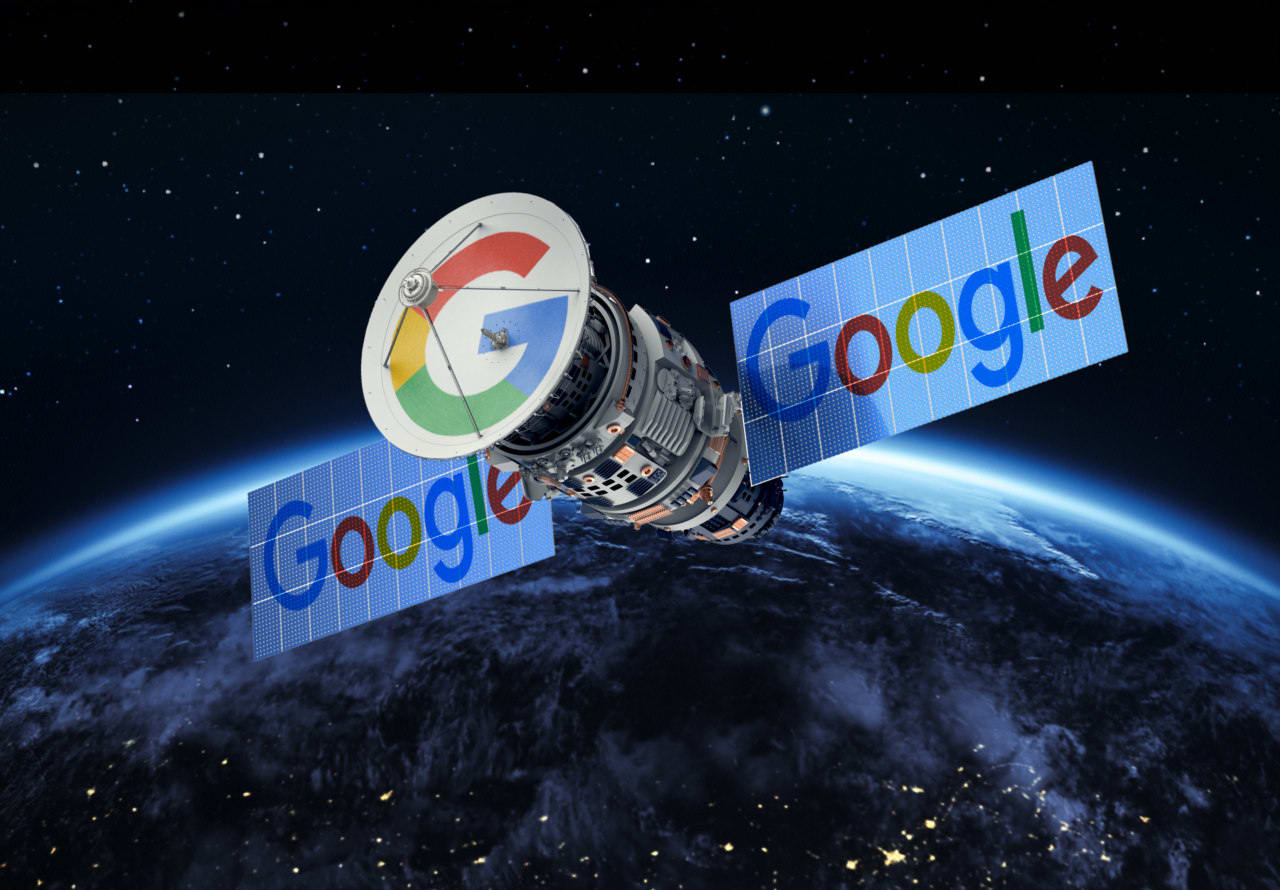
Google and SpaceX are pioneering orbital data centers by launching AI chips into space to mitigate terrestrial power constraints. Concurrently, startup Satlyt has raised $8 million to develop open-source software for distributed satellite computing.
The Orbital Frontier: Google and SpaceX Push for Space-Based Computing
In a transformative move for global infrastructure, Alphabet and SpaceX have initiated a collaborative effort to launch Google’s proprietary Tensor Processing Units (TPUs) into orbit. Utilizing a SpaceX Falcon 9 rocket, this mission aims to test the viability of space-based data centers. By moving high-intensity AI processing workloads away from terrestrial facilities, tech leaders believe they can circumvent the severe power constraints and environmental backlash currently hampering the expansion of land-based data centers.
Escaping the Terrestrial Power Crunch
The rapid proliferation of artificial intelligence has placed an unprecedented strain on global electrical grids. As data centers consume massive amounts of energy for cooling and compute power, local communities and regulators have increasingly pushed back against new developments. Orbital data centers offer a theoretical solution: the "infinite real estate" of space combined with the potential for direct solar energy harvesting. By deploying hardware on Planet Labs satellites, companies are exploring whether space can serve as a sustainable alternative for processing complex AI models.
The Transporter-18 Mission and Strategic Infrastructure
The launch, slated for 11:15 am PT from Vandenberg Air Force Base, marks a significant milestone in aerospace logistics. This mission follows closely behind the July 21, 2026, launch of Northrop Grumman’s Mission Robotic Vehicle (MRV) and Mission Extension Pods (MEPs) from Cape Canaveral. These missions collectively signal a shift in how the industry views satellites—transitioning them from mere communication relays to active, intelligent computing nodes capable of performing heavy-duty machine learning tasks in the vacuum of space.
Satlyt and the Shift Toward Open Software
While SpaceX is pursuing a vertically integrated, "iPhone-style" closed ecosystem for its orbital computing, the market is already seeing competition. Rama Afullo, a former Google and SpaceX product manager, has founded Satlyt to challenge this approach. With $8 million in seed funding, Satlyt aims to build the "Android of orbital computing." By developing open-source software that allows diverse satellite constellations to share computing loads, Afullo seeks to democratize access to space-based processing, contrasting sharply with the proprietary models favored by industry giants.
Future Implications and Technological Trends
The dual approach of integrated hardware launches and open-source software platforms suggests that space-based AI is transitioning from speculative theory to a tangible industry sector. If successful, this shift could fundamentally restructure how global computing power is distributed. As companies navigate the challenges of latency, radiation shielding, and thermal management in orbit, the success of these early missions will dictate whether the next great leap in AI infrastructure happens on the ground or among the stars.
Verification Required?