Update to Google’s AI weather model improves forecast accuracy
Source Entity
Scott K. Johnson
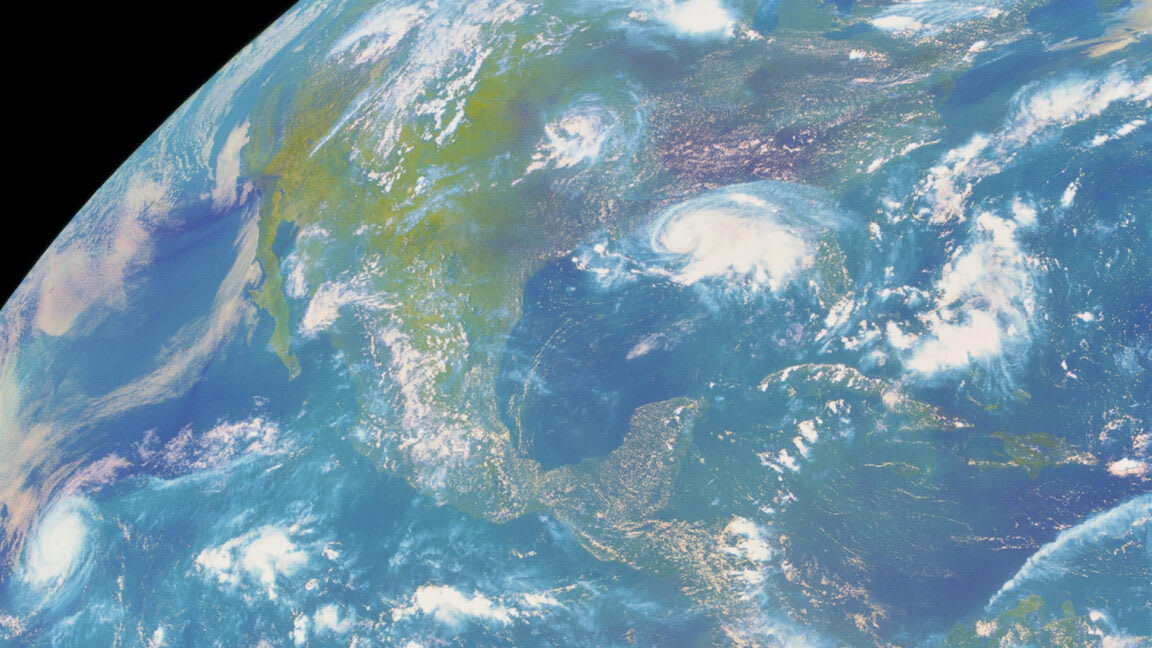
Google has released version 3 of its WeatherNext AI model, which now incorporates satellite data to improve forecast accuracy. This update allows for more frequent, efficient weather predictions compared to traditional, resource-heavy computing models.
The Evolution of AI-Driven Meteorology
Google has solidified its position as a major innovator in the meteorological sector with the release of WeatherNext version 3. This update represents a significant shift in how machine learning models approach the complex, chaotic nature of atmospheric science. By leveraging artificial intelligence to replicate the performance of traditional numerical weather prediction (NWP) models, Google is demonstrating that high-fidelity forecasting no longer requires the massive, power-hungry supercomputers that have historically defined the field.
The Efficiency Advantage
The fundamental advantage of Google's AI approach lies in its computational efficiency. Traditional weather models rely on solving complex fluid dynamics equations, a process that demands immense computing horsepower and significant time. AI models, conversely, learn patterns from vast datasets, allowing them to produce forecasts with comparable accuracy while requiring a fraction of the hardware resources. This efficiency is critical, as it enables meteorological agencies to run models more frequently, providing updated guidance as weather patterns evolve.
Integrating Satellite Data
A pivotal advancement in the WeatherNext v3 update is the ingestion of satellite weather data. By incorporating these real-time observations directly into the model, Google has effectively shortened the lag time between the observation of current atmospheric conditions and the generation of a new forecast. This reduction in latency is vital for short-term forecasting, where every minute of data freshness can improve the accuracy of predicting rapidly changing weather events.
The Role of Reanalysis
The update is supported by the methodology of reanalysis, a sophisticated process that serves as a foundational model for climate data. Reanalyses synthesize diverse streams of historical and current weather data to create a coherent representation of the atmosphere. By utilizing these reanalysis datasets, WeatherNext can better 'understand' the state of the planet, ensuring that the AI's inputs are not just raw numbers, but refined, scientifically validated observations.
Future Implications for Meteorology
As Google continues to iterate on its AI models, the broader implication is a democratization of high-quality weather forecasting. The ability to achieve world-class accuracy on reduced hardware could allow smaller regional agencies or research institutions to run their own advanced simulations. While traditional models will likely remain the gold standard for long-term climate projections for the foreseeable future, AI-driven models like WeatherNext are clearly establishing themselves as the superior tool for rapid, high-frequency operational forecasting.
Conclusion
In summary, the release of WeatherNext v3 marks a transition toward more agile, data-responsive forecasting. By bridging the gap between raw satellite telemetry and machine learning efficiency, Google is setting a new benchmark for speed and accuracy in the digital age of meteorology.