Why is Google still serving dodgy ads?
Source Entity
Hacker News
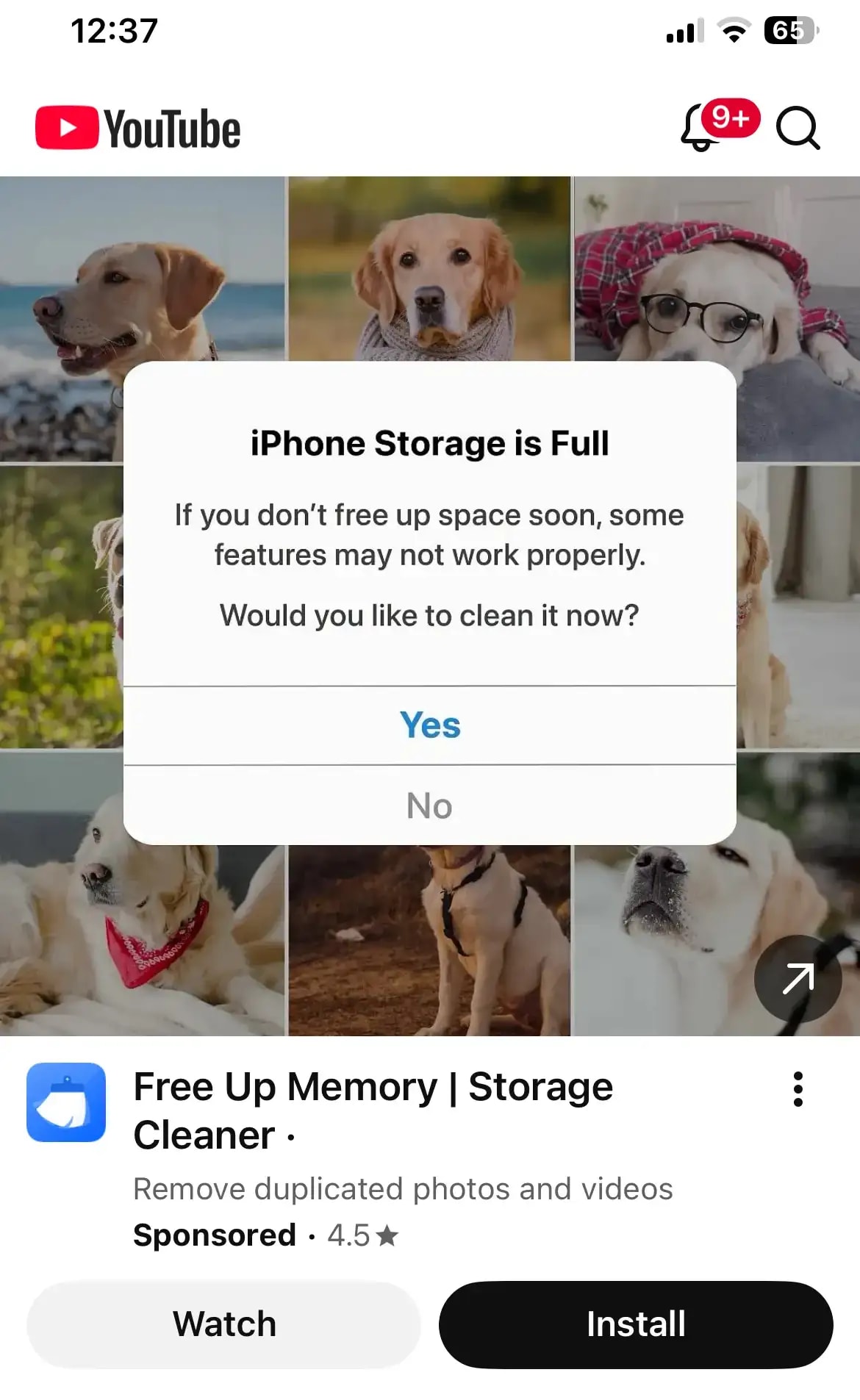
Users are reporting frustration with Google's failure to remove deceptive advertisements on YouTube despite repeated manual reports. The situation highlights a disconnect between Google's stated ad policies and the actual enforcement mechanisms currently in place.
The Growing Crisis of Deceptive Advertising on YouTube
In an era where digital advertising dominates the revenue models of major tech platforms, the persistence of deceptive advertisements on YouTube has become a significant concern for users. Despite Google’s massive investment in artificial intelligence and machine learning, users report that clearly fraudulent or misleading ads frequently bypass existing safety nets. The core of the issue lies in the disparity between the sophisticated automated systems Google claims to employ and the practical, often disappointing, user experience when attempting to flag these violations.
The Failure of the Reporting Mechanism
When a user encounters a deceptive advertisement, the standard protocol is to utilize the platform's reporting tools. However, as noted in recent feedback, the response from Google is often a generic notification stating that the ad does not violate their policies. This creates a cycle of frustration where users feel their efforts to maintain the safety of the digital ecosystem are being ignored. When multiple users report the same deceptive content only to receive identical, dismissive responses, it suggests a systemic breakdown in how Google triages and reviews human-submitted reports.
The Paradox of AI Enforcement
It is paradoxical that a company leading the charge in AI development struggles to identify what many users perceive as obvious deceptive content. While Google’s advertising ecosystem is vast, relying on automated moderation is a necessity, yet these systems must be calibrated to detect evolving patterns of fraud. The fact that deceptive ads remain active after being explicitly reported by multiple users implies that the human-in-the-loop verification process, or the AI training sets used to flag policy violations, may be severely outdated or inadequately responsive to user input.
Implications for Platform Trust
Trust is the currency of the digital advertising economy. When platforms like YouTube allow misleading content—such as fake storage optimization tools or other deceptive software—to reach end-users, they risk alienating their audience. Users who are tricked into clicking these links may suffer from compromised device security or data privacy risks. If Google continues to prioritize ad revenue over the efficacy of its review process, it risks long-term brand erosion and potential regulatory scrutiny regarding the safety of its advertising marketplace.
Future Trends in Ad Moderation
Looking forward, the pressure on major platforms to implement more transparent and effective ad verification processes will only increase. We may see a shift toward third-party auditing of ad content or stricter regulatory mandates requiring platforms to be more accountable for the advertisements they serve. For Google, the path forward involves bridging the gap between their stated policies and actual enforcement. If they fail to leverage their own AI capabilities to filter out deceptive content, they may find themselves forced into compliance by external pressures rather than leading through internal quality control.