Apple is reportedly working on iPhone game controllers
Source Entity
Terrence O’Brien
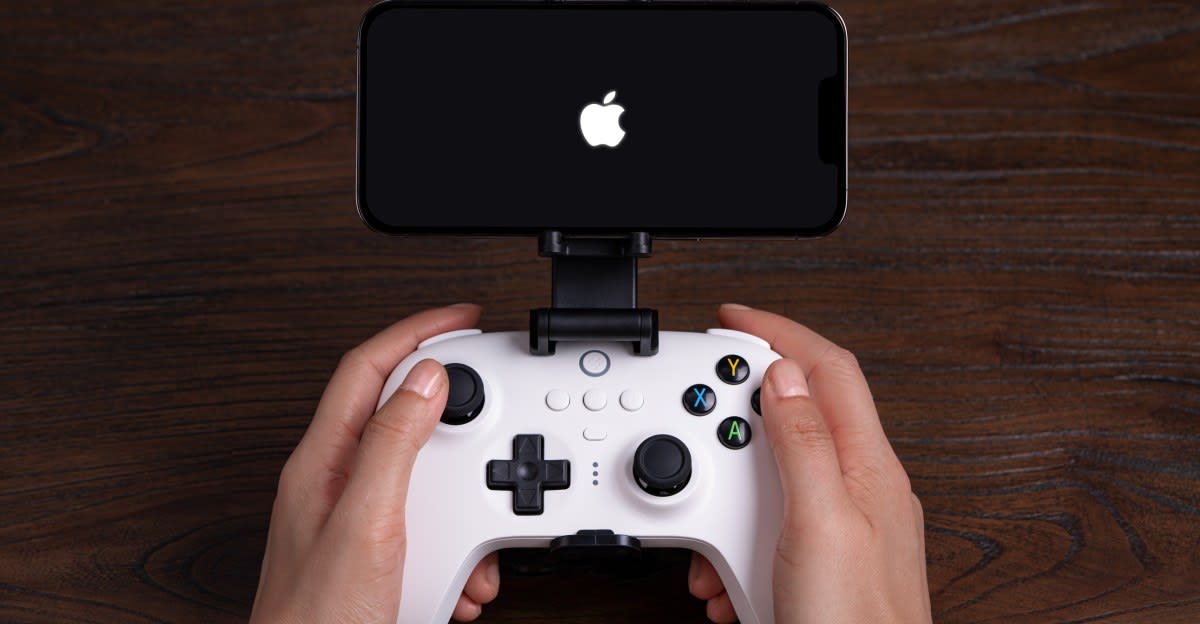
Apple is reportedly developing first-party game controllers for the iPhone under the Beats brand. Evidence of these devices has surfaced in macOS code, signaling a potential shift in Apple's gaming hardware strategy.
Apple's Potential Expansion into Gaming Hardware
Recent reports indicate that Apple is actively developing first-party game controllers specifically designed for the iPhone. According to industry analyst Mark Gurman, these peripherals are expected to be marketed under the Beats brand, leveraging the subsidiary's established reputation in the audio and lifestyle accessory space. While rumors regarding Apple’s potential entry into the gaming hardware market have persisted for years, the recent discovery of references to two first-party controllers within macOS 26.7 code provides the strongest evidence to date that such a project is in development.
The Role of the Beats Brand
It is significant that Apple is reportedly positioning these controllers under the Beats label rather than the standard Apple brand. Apple acquired Beats in 2014, and since then, the company has frequently utilized the brand to reach younger demographics and fitness-oriented consumers. By placing these controllers under the Beats umbrella, Apple may be attempting to differentiate its gaming accessories from its more minimalist, premium-focused product lines, signaling a more vibrant, youth-centric approach to mobile gaming hardware.
Analyzing the Software Clues
Although the references to these controllers were found within the code for macOS 26.7, Gurman clarifies that the primary intent behind these devices is to support the iPhone ecosystem. The presence of such code in a desktop operating system often indicates internal testing or cross-platform integration efforts. This suggests that Apple is looking to create a seamless gaming experience that could eventually extend beyond the iPhone, perhaps reflecting a broader strategy to unify its hardware ecosystem under a cohesive gaming banner.
Strategic Implications for Mobile Gaming
Apple has long invested in gaming through the App Store and its subscription service, Apple Arcade. However, the lack of dedicated, first-party hardware has often left the company reliant on third-party manufacturers for controller support. By producing its own controllers, Apple can ensure tighter integration between software and hardware, potentially reducing latency and improving the overall user experience. This move could serve as a direct challenge to the dominance of consoles by making the iPhone a more viable primary gaming device for casual and enthusiast players alike.
Future Trends and Market Positioning
Should these controllers hit the market, they would represent a pivot toward hardware-centric gaming services. As mobile processing power continues to approach that of traditional consoles, the barrier to entry for high-fidelity gaming on a smartphone is lowering. Apple’s entry into this market could force competitors to innovate more rapidly, potentially leading to a new era of mobile-first peripheral development. By controlling both the software ecosystem and the input hardware, Apple stands to capture a larger share of the lucrative mobile gaming revenue stream while strengthening its overall hardware portfolio.