No rule stops airport companies from having airlines: Govt
Source Entity
TNN
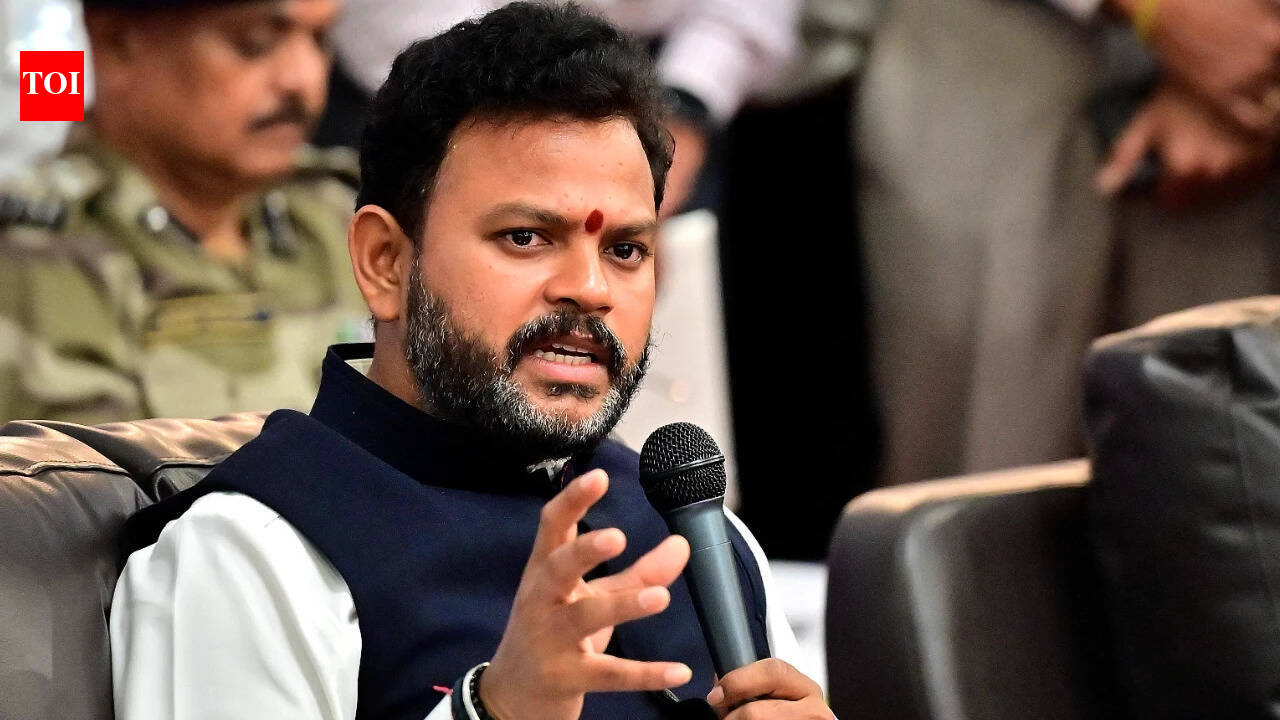
The Indian government is currently evaluating whether to allow airport operators to own airlines, a move currently restricted by existing agreements. Civil Aviation Minister Ram Mohan Naidu emphasized that while no decision is final, the government aims to expand the nation's fleet to support growing travel demand.
The Future of Aviation Ownership in India
Current Regulatory Constraints
The Indian aviation sector is currently navigating a significant policy debate regarding the ownership structure of airport operators. Under the existing Operation, Management, and Development Agreements (OMDA) established in 2006 for major hubs like Delhi and Mumbai, airport operators are strictly prohibited from holding more than a 10% stake in an airline. This clause was originally designed to prevent conflicts of interest and ensure fair competition among carriers using airport infrastructure.
The Adani Group's Strategic Push
Recent reports indicate that the Adani Group, which manages several key airports including Mumbai, has sought an amendment to these long-standing rules. The group is exploring the viability of entering the airline business, a move that would fundamentally alter the current landscape of Indian civil aviation. The government, represented by Civil Aviation Minister Kinjarapu Rammohan Naidu, has acknowledged this request but has explicitly stated that no final decision has been reached.
Balancing Growth and Fair Competition
Minister Naidu has framed the discussion around the broader necessity of capacity expansion. With the government’s stated ambition to see at least five airlines operating with a minimum of 100 aircraft each, the administration is actively weighing the pros and cons of easing these restrictions. The core challenge lies in balancing the need for massive capital investment to accommodate rising passenger demand with the regulatory mandate to prevent monopolies that could disadvantage smaller, independent carriers.
Historical Context of PPP Models
The Public-Private Partnership (PPP) model introduced in 2006 transformed India’s airport infrastructure, leading to rapid modernization. However, the restrictive ownership clauses within the OMDA were essential to the success of this model at the time, as they ensured the airport operator remained a neutral service provider. Revisiting these agreements now requires a careful analysis of whether the current market maturity allows for vertical integration without compromising the competitive integrity of the sector.
Future Trends and Outlook
As India continues to add new airports and passenger numbers continue to soar, the pressure to attract large-scale capital will likely intensify. Should the government move to amend the OMDA, it would signal a major policy shift toward liberalizing the aviation ecosystem. However, any such change would necessitate robust oversight mechanisms to ensure that airport operators do not prioritize their own airline subsidiaries over competitors regarding slots, ground handling, or terminal access.
Conclusion
The government's stance remains one of cautious deliberation. While the objective of growing the national airline fleet is clear, the path forward must carefully navigate the complexities of corporate governance and market competition. The industry will be watching closely as the Ministry of Civil Aviation continues its assessment of the potential implications for the future of Indian aviation.