From Chasing Rides to Building a More Sustainable Income
Source Entity
Latest News: Todays Latest News Headlines from India & World | Hindustan Times | Hindustan Times
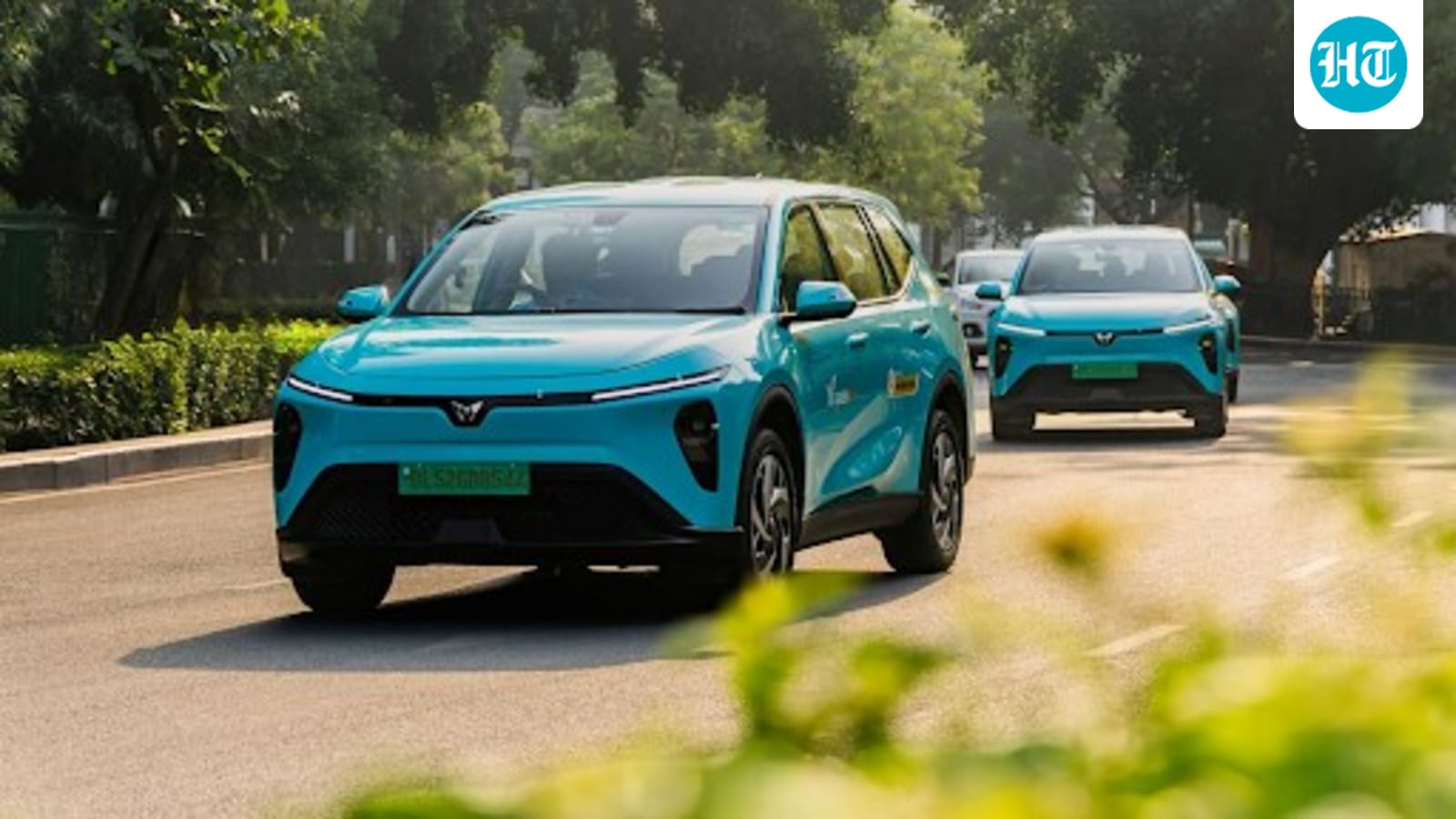
Ride-hailing platform Green SM has introduced a new income model focused on 'operating kilometres' to provide drivers with greater earnings transparency. This shift addresses the financial instability caused by rising fuel costs and complex, opaque payment structures in the gig economy.
Redefining Gig Economy Earnings: The Green SM Shift
In the rapidly evolving landscape of the gig economy, the financial viability of ride-hailing for drivers has reached a critical juncture. The introduction of Green SM’s new income model, which prioritizes the calculation of 'operating kilometres,' marks a significant departure from traditional, trip-based compensation structures. By centering earnings on the actual distance covered, the platform seeks to mitigate the volatility that has long plagued drivers who struggle to predict their daily take-home pay based solely on the number of completed trips.
The Challenge of Economic Volatility
For many ride-hailing drivers, the reliance on trip frequency as a primary metric for income has often failed to account for the nuanced realities of the road. Income volatility is frequently exacerbated by factors such as fluctuating demand, varying traffic conditions, and the inherent overhead costs associated with vehicle maintenance and fuel. When drivers operate in high-traffic, high-cost regions like Delhi-NCR, these variables become magnified, turning a simple ride request into a complex financial calculation that often leaves the driver at a disadvantage.
Addressing the Fuel Cost Burden
One of the most pressing drivers of this instability is the sharp rise in fuel prices, particularly CNG, which serves as the lifeblood for the ride-hailing fleet in urban centers like Delhi-NCR. As fuel costs climb, the profit margins for drivers narrow significantly, making the old model of trip-based incentives less effective. Green SM’s focus on operating kilometres provides a tangible metric that allows drivers to better align their work hours with their actual operational expenses, enabling more effective financial planning in an era of unpredictable energy prices.
Transparency as a Competitive Advantage
Beyond simple mathematics, Green SM’s approach reflects a broader, industry-wide shift toward platform transparency. Historically, ride-hailing platforms have been criticized for the opacity of their algorithms, which often keep drivers in the dark regarding how their pay is determined. By offering a clearer framework, Green SM is not only attempting to retain its driver base but is also setting a standard for what a sustainable gig economy model should look like in a modern, cost-conscious market.
Future Trends in Ride-Hailing
The move toward distance-based transparency suggests a future where platforms must pivot from aggressive growth strategies to sustainable driver retention programs. As competitors observe the success and driver feedback regarding Green SM’s model, we are likely to see a shift in how ride-hailing companies market themselves to potential partners. The ability to guarantee a predictable relationship between distance, fuel expenditure, and net earnings will become a key differentiator in a crowded and increasingly regulated labor market.
Conclusion
Ultimately, the transition toward models that prioritize operating kilometres represents a pragmatic response to the economic pressures facing modern drivers. While challenges regarding fuel costs and market fluctuations remain, the focus on clarity and stability is a necessary step toward professionalizing the ride-hailing industry. As these models mature, they offer a blueprint for how technology platforms can balance the needs of the consumer with the economic welfare of the workforce that powers their services.
Verification Required?