Not Bigger Homes, Green Spaces Are The New Currency In Luxury Real Estate
Source Entity
NDTV News Search Records Found 1000
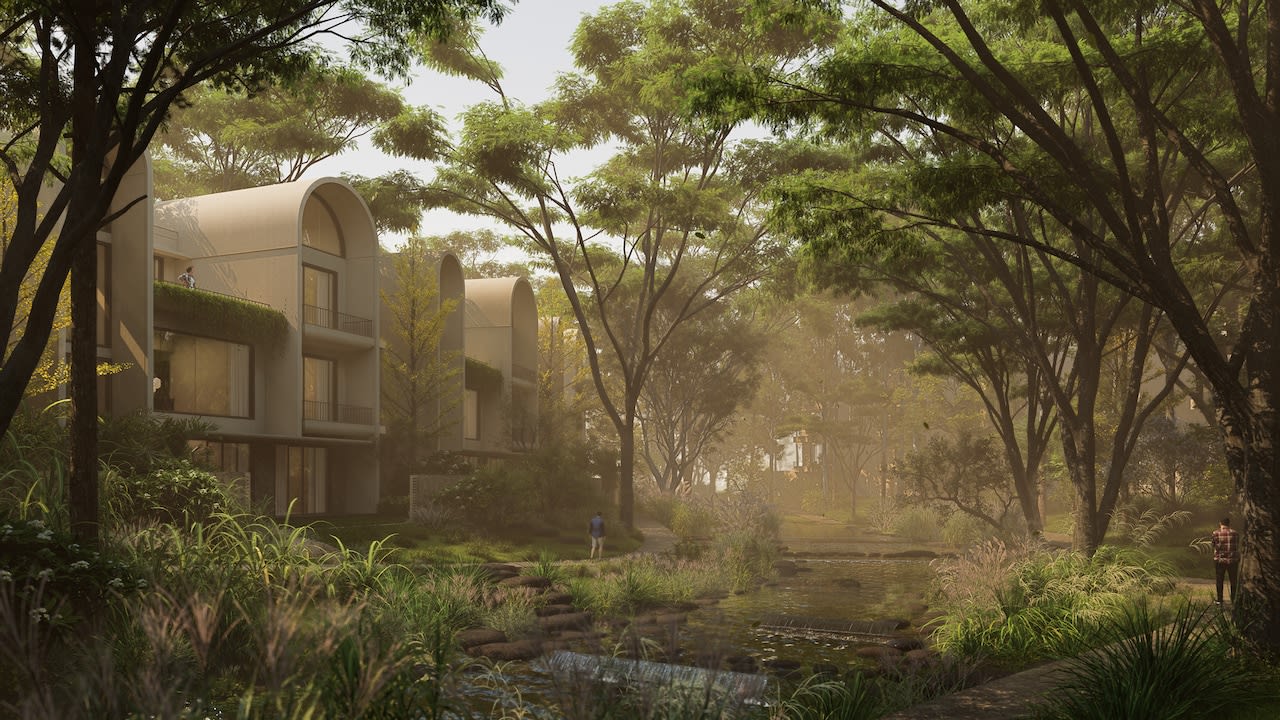
Luxury real estate buyers are increasingly prioritizing access to green spaces over traditional square footage. This shift reflects a growing demand for wellness-centric living amidst rising urban density.
The Shift in Luxury Real Estate Priorities
In the modern luxury property market, a profound transformation is reshaping how value is defined. For decades, the primary metric of prestige in real estate was sheer size—the number of bedrooms, the square footage of the master suite, and the scale of the living area. However, current market trends indicate a pivot toward a new, intangible currency: access to green spaces. This evolution suggests that for the high-net-worth individual, the luxury of nature has eclipsed the luxury of volume.
The Catalyst of Urban Density
This trend is not occurring in a vacuum; it is a direct response to the escalating challenges of urban density. As global cities grow more crowded and infrastructure becomes increasingly strained, the psychological and physical strain of metropolitan living has intensified. When living space is surrounded by concrete and noise, the ability to retreat into a private or semi-private green environment has become a premium commodity that developers are now rushing to integrate into their high-end projects.
Wellness as a Financial Asset
Beyond the aesthetic appeal, the preference for greenery is deeply rooted in the concept of wellness-centric living. Investors and homeowners are no longer just buying a structure; they are buying an environment that promotes mental clarity and physical health. By prioritizing parks, vertical gardens, and landscaped retreats, developers are catering to a demographic that views environmental quality as a critical component of their overall investment return.
Historical Context and Modern Development
Historically, luxury was defined by isolation and exclusivity. Today, that exclusivity is manifested through the scarcity of nature. As cities continue to densify, the land area required for expansive gardens or natural views becomes increasingly expensive and rare. Consequently, properties that successfully integrate these natural elements are seeing higher appreciation rates compared to those that focus solely on interior layouts.
Future Trends in Urban Planning
Looking ahead, we can expect this trend to influence architectural design significantly. Future luxury developments will likely focus on 'biophilic design,' where natural elements are woven into the very fabric of the building's architecture rather than being treated as an afterthought. As buyers continue to equate green space with a better quality of life, real estate firms that fail to incorporate these environmental features may find themselves at a distinct disadvantage in the competitive luxury landscape.
Conclusion
In summary, the transition from valuing space to valuing greenery represents a broader cultural shift toward prioritizing well-being in the face of rapid urbanization. While high-end square footage remains relevant, it is the quality of the environment surrounding the home that now dictates its true market value. Developers who master this balance between density and nature will define the next generation of luxury real estate.
Verification Required?