Groundwater that glows yellow-green in U.P.
Source Entity
India Latest News: Top National Headlines Today & Breaking News | The Hindu
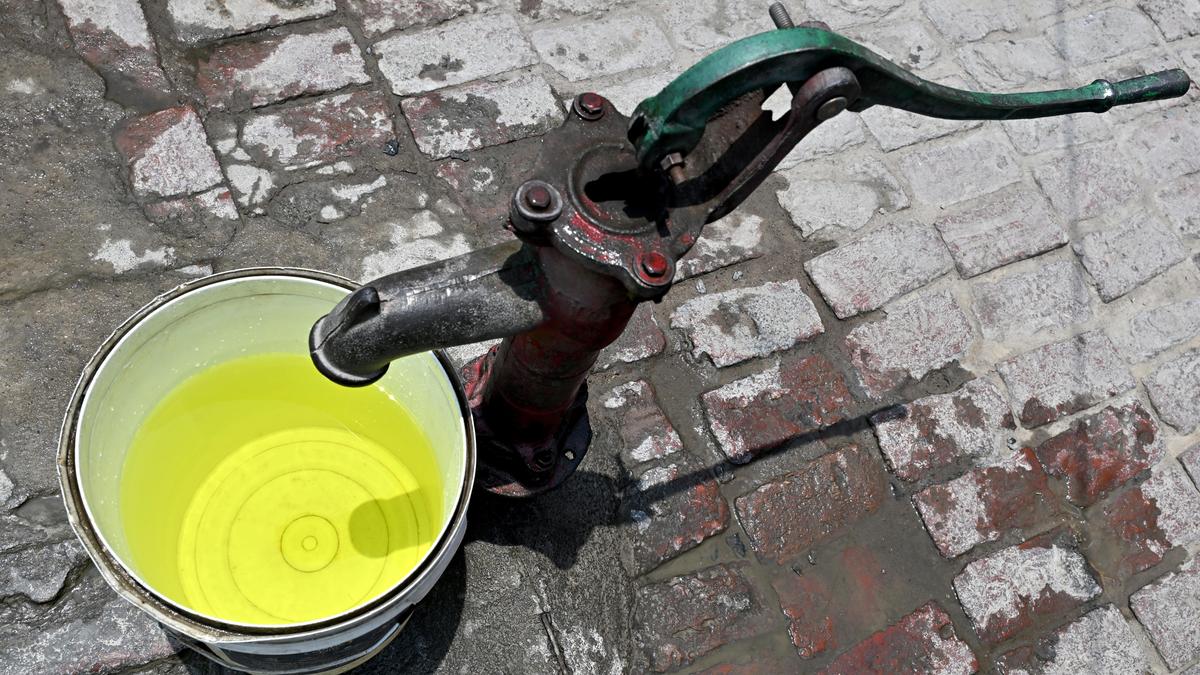
Groundwater contamination in Uttar Pradesh, caused by decades of industrial waste, has introduced toxic chromium (VI) into local water sources. Residents in districts like Fatehpur and Kanpur Nagar are suffering from severe health issues, including liver infections and skin rashes.
The Silent Crisis: Chromium Contamination in Uttar Pradesh
Recent reports from the regions bordering National Highway 19, specifically spanning the Kanpur Nagar and Fatehpur districts of Uttar Pradesh, have unveiled a harrowing environmental disaster. Fluorescent greenish-yellow streaks staining the earth and infrastructure serve as a visual indictment of decades of unchecked industrial waste dumping. This contamination has permeated the groundwater, introducing high levels of chromium (VI)—a potent carcinogen and toxic heavy metal—into the primary water supply for local communities.
The Human Cost of Industrial Negligence
For residents like Daya Devi, the environmental degradation is not a distant abstract concept but an intimate, daily struggle. Living in Chhiwali village, Devi is among the many villagers grappling with chronic health complications that appear directly linked to the consumption of tainted water. Her reports of persistent stomach pains, digestive distress, and unexplained rashes highlight the immediate physiological impact of heavy metal poisoning, which often manifests as gastrointestinal failure and dermatological trauma in affected populations.
Historical Context and Industrial Impact
This crisis is the culmination of years of industrial prioritization over environmental safety. Kanpur has long been a hub for leather tanning and various manufacturing industries, which historically discharged untreated effluent into the local ecosystem. The presence of chromium (VI) in the groundwater is a direct byproduct of these industrial processes. Without stringent enforcement of waste management regulations or localized water purification infrastructure, the toxic plume continues to spread, rendering once-vital wells and handpumps hazardous to human health.
Broader Implications for Public Health
Beyond individual cases, this scenario presents a profound public health crisis for the state. Chromium (VI) is highly soluble and mobile in groundwater, meaning that contamination is likely to expand beyond the currently affected pockets. The long-term exposure risks include organ failure, increased cancer rates, and systemic immune suppression. For a rural population that relies on groundwater as its primary source for drinking, cooking, and irrigation, the economic and biological implications are catastrophic.
Future Trends and Necessary Interventions
Looking ahead, the situation in Uttar Pradesh necessitates an urgent, multi-pronged intervention. First, there is a critical need for large-scale groundwater testing and the immediate provision of safe, alternative water sources for the affected villages. Furthermore, the state must implement rigorous industrial oversight to halt further leaching. Failure to address the root of the contamination will likely lead to a surge in chronic disease rates, placing an unbearable burden on the local healthcare system and further impoverishing communities already struggling with the consequences of industrial pollution.
Verification Required?