What is guided meditation? Tara Brach explains how this simple practice can bring you back to the present
Source Entity
Latest News: Todays Latest News Headlines from India & World | Hindustan Times | Hindustan Times
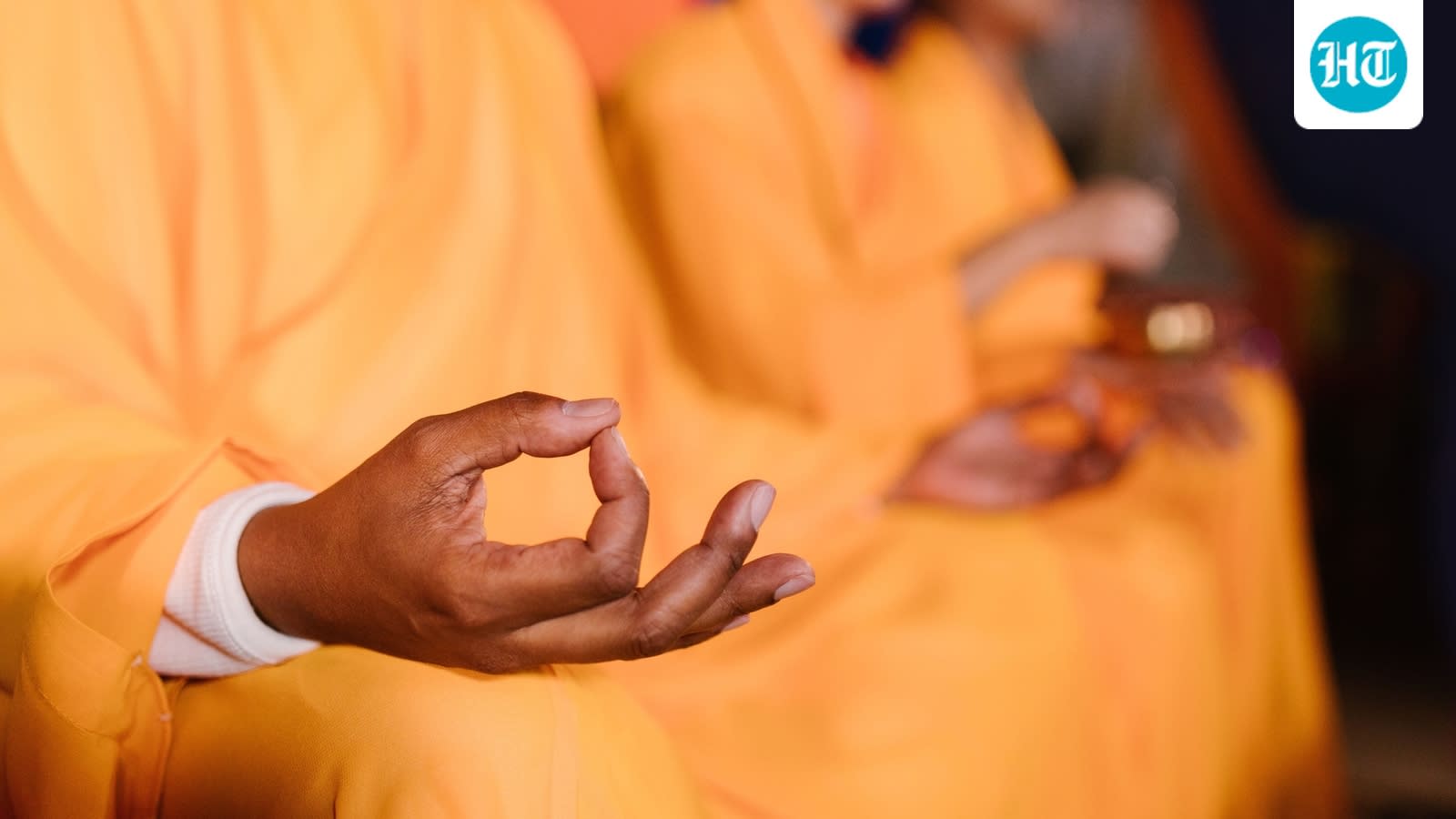
Guided meditation serves as a supplemental tool for mindfulness and stress management ahead of World Mental Health Day. While beneficial for self-awareness, it is not a substitute for professional clinical care.
The Role of Guided Meditation in Mental Well-being
As World Mental Health Day approaches on October 10, the focus on accessible mental wellness tools has intensified. Guided meditation, as championed by experts like Tara Brach, offers a structured approach for individuals to pause and cultivate internal awareness. By providing a quiet space to observe thoughts, emotions, and physical sensations without the pressure of immediate reaction, this practice serves as a foundational exercise in mindfulness for those navigating the stresses of daily life.
Integrating Mindfulness and Clinical Care
It is imperative to clarify that guided meditation is a complementary practice rather than a clinical solution. The provided guidance explicitly notes that while meditation aids in self-regulation and present-moment awareness, it does not replace professional mental health care. For individuals suffering from severe mental health conditions, meditation should be viewed as a supportive ritual that functions alongside, not instead of, evidence-based therapeutic or psychiatric interventions.
The 2026 World Mental Health Day Theme
The World Health Organization has designated the theme for World Mental Health Day 2026 as “Lived experiences heard: real voices, real change.” This theme underscores a significant shift in global mental health policy, advocating for the inclusion of individuals with lived experience in the decision-making processes regarding their own care. This emphasis on "real voices" aligns with the personal nature of meditation, which encourages individuals to listen to their own internal experiences as a form of self-advocacy.
Cultivating Awareness Through Practice
The practice of guided meditation acts as a gateway for individuals to become more attuned to their internal states. By practicing the art of noticing—without judgment or immediate reaction—participants can develop a buffer against the stressors of contemporary society. This skill of observation is central to the broader discourse surrounding mental health, where the ability to pause and check in with oneself is increasingly recognized as a vital component of emotional resilience.
Broader Implications for Future Trends
Looking toward the future, the integration of mindfulness practices into public health discourse suggests a move toward more personalized and accessible mental health support. As the global community prepares for World Mental Health Day 2026, the intersection of self-guided tools like meditation and systemic changes in care—driven by the voices of those with lived experience—will likely define the next era of mental health advocacy. This dual approach of internal mindfulness and systemic empowerment marks a comprehensive strategy for long-term psychological well-being.
Verification Required?