A Gujarat cop vanished on Diwali. His ring helped identify his charred body
Source Entity
Brendan Dabhi
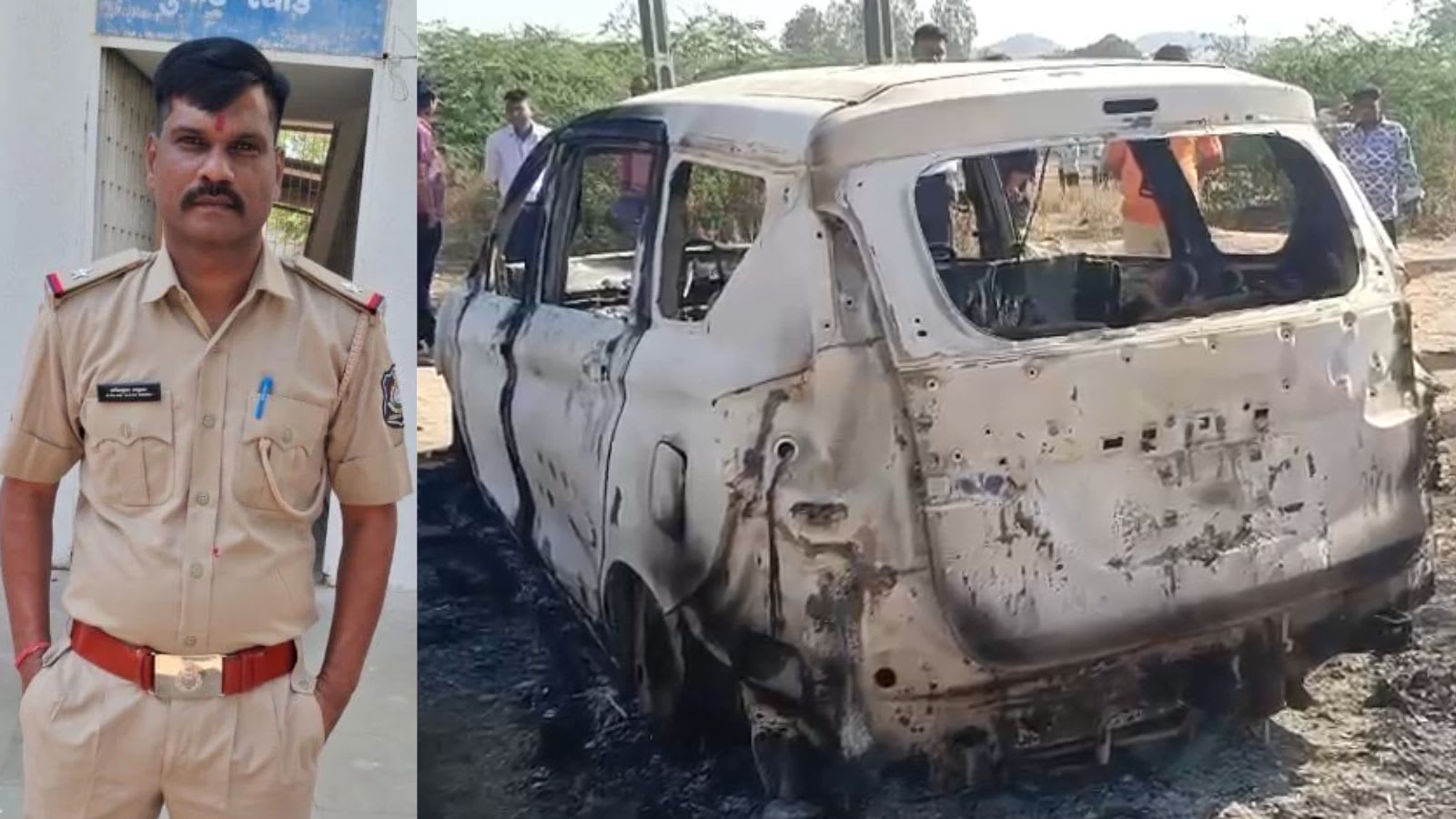
A Gujarat head constable, Alfa Kalasva, has been arrested for the murder of her colleague, ASI Ashwin Tabiyad, following a failed relationship. The suspects attempted to hide the crime by burning the victim's car and body, but were caught through technical and CCTV investigation.
The Chithoda Police Station Tragedy
A disturbing case of interpersonal violence has emerged from Gujarat's Aravalli district, where a high-ranking police officer, Assistant Sub-Inspector (ASI) Ashwin Tabiyad, was allegedly murdered by his colleague, Head Constable Alfa Kalasva. The incident, which took place during the Diwali festivities, highlights a grave breach of professional and personal conduct within the law enforcement ranks. The victim, a 45-year-old officer, had left for night duty on November 8, only to be found deceased in his charred Maruti Ertiga two days later, approximately eight kilometers from the Chithoda police station.
The Mechanics of the Crime
The investigation revealed a calculated attempt to destroy evidence. After allegedly murdering Tabiyad, Kalasva and her three accomplices—including her brother—set fire to the vehicle to prevent identification. The crime scene was initially difficult to process; investigators recovered remnants of a police uniform, including a 'Gujarat Police' monogram and a silver star, but the charred state of the remains necessitated further forensic verification. Ultimately, it was a personal item—a ring belonging to Tabiyad—that provided the critical breakthrough in confirming the identity of the victim.
Technical Investigation and Apprehension
The Aravali Local Crime Branch (LCB) utilized a combination of technical surveillance and extensive CCTV analysis to piece together the events of that night. The investigation faced a unique forensic challenge when it was discovered that the primary suspect, Alfa Kalasva, had sustained burn injuries during the act of setting the vehicle ablaze, a detail that served as incriminating evidence during the interrogation process. The swift apprehension of all four suspects on November 17 underscores the efficacy of modern forensic tracking in rural law enforcement settings.
Motivations and Interpersonal Conflict
Reports indicate that the motive behind this homicide was rooted in a contentious romantic relationship between the two officers. Kalasva reportedly sought to end the association, leading to a fatal escalation. This case brings to light the complexities of workplace dynamics within the police force, particularly when personal boundaries are compromised. The involvement of family members—specifically the head constable's brother—suggests a level of pre-meditated conspiracy that elevates the severity of the charges from simple homicide to criminal conspiracy and intentional destruction of evidence.
Broader Implications and Institutional Safety
This incident serves as a grim reminder of the psychological pressures faced by law enforcement officers. While the vast majority of personnel maintain strict professional standards, the intersection of personal life and high-stress duty can occasionally lead to tragic outcomes. The Gujarat Police department is now faced with the task of addressing the fallout of this internal crime, which not only impacts the morale of the Chithoda station but also prompts a wider discussion regarding mental health resources and conflict resolution mechanisms for officers stationed in remote or high-pressure districts.
Conclusion
The arrest of Alfa Kalasva and her associates marks the end of a harrowing investigation for the Aravalli police. As the legal proceedings move forward, the focus remains on ensuring justice for ASI Tabiyad. This case will likely serve as a cautionary narrative regarding the dangers of unchecked personal conflicts among colleagues, reinforcing the need for institutional oversight and the importance of maintaining professional equilibrium in the volatile environment of police service.
Multiple Citing Sources