Lions entering human habitats in Gujarat not to be sent to zoo anymore
Source Entity
Parimal A Dabhi
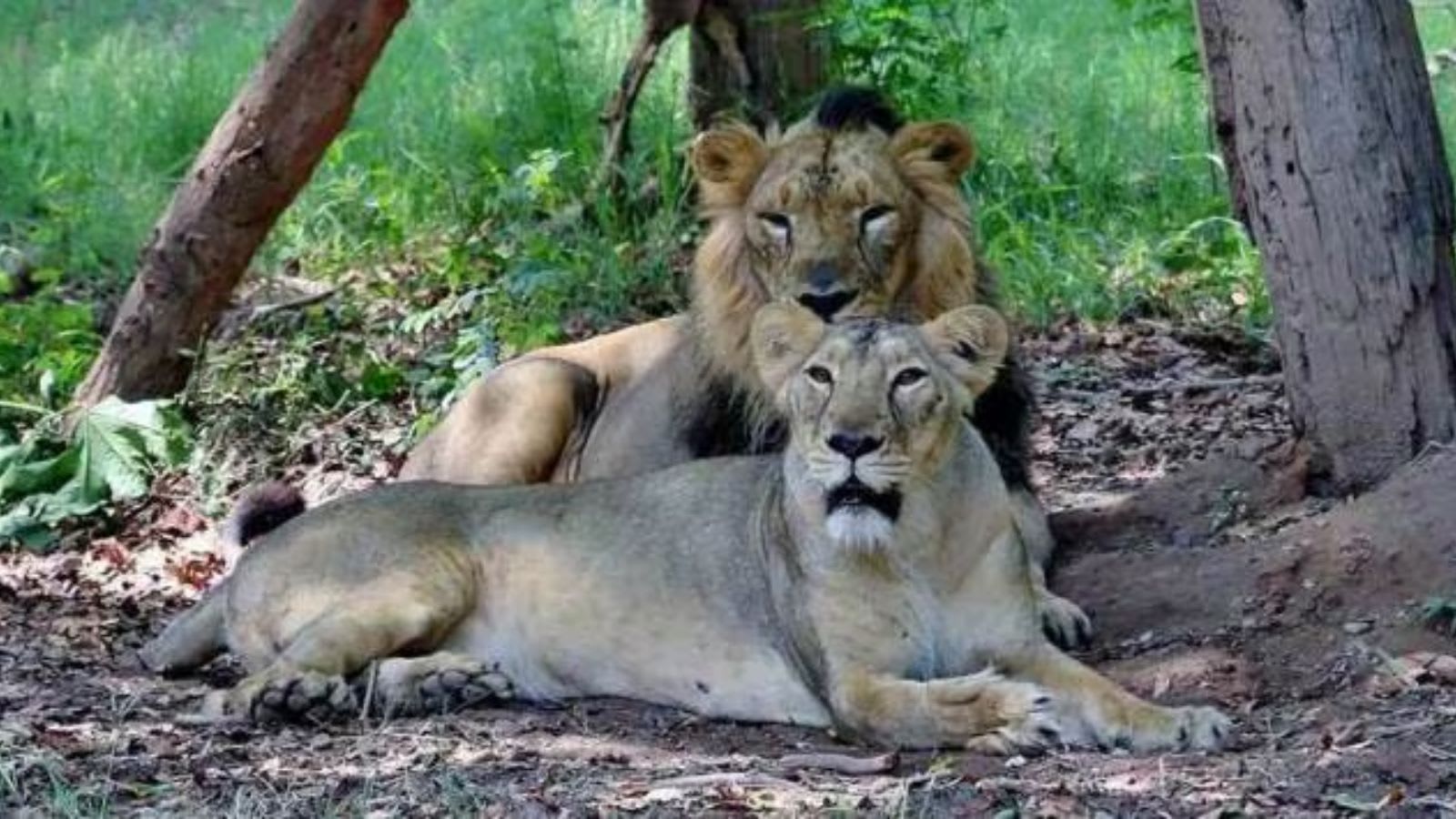
The Gujarat government has announced a policy shift to relocate lions that attack humans to a new enclosure at Ambardi Safari Park instead of the Sakkarbaug zoo. This initiative aims to provide a more natural environment for these animals rather than traditional captivity.
A New Strategy for Asiatic Lion Management in Gujarat
The Gujarat government has officially announced a significant shift in its wildlife management policy regarding Asiatic lions that stray into human-dominated landscapes and exhibit aggressive behavior toward people. Historically, lions that posed a threat to human safety were captured and permanently relocated to the Sakkarbaug Zoological Park in Junagadh. Under the new directive, these animals will instead be moved to a specially designated enclosure within the Ambardi Safari Park, located in the Amreli district.
Moving Beyond Traditional Captivity
The transition from a zoo environment to a safari park enclosure represents a deliberate effort to improve the quality of life for relocated lions. According to Jaipal Singh, the Principal Chief Conservator of Forests, the Sakkarbaug zoo has previously served as the primary holding facility for approximately 10 lions involved in human-wildlife conflict. By contrast, the planned enclosure at Ambardi is intended to mimic a natural habitat, allowing the big cats to retain more of their wild instincts.
Prioritizing Natural Behaviors
A critical component of the Ambardi Safari Park initiative is the inclusion of natural prey and space for movement. Unlike the confined spaces of a zoo, this designated enclosure is designed to facilitate freer movement, which is essential for the psychological and physical well-being of the lions. The forest department has already initiated the administrative process by floating a tender to establish this facility in Dhari, signaling a commitment to long-term infrastructure development for wildlife conservation.
Implications for Human-Wildlife Conflict
This policy change acknowledges the growing complexity of human-lion coexistence in Gujarat. As lion populations expand beyond protected areas, interactions between humans and lions have become more frequent. By creating a middle ground—a managed but naturalized enclosure—the government is attempting to mitigate the dangers of human-lion proximity while avoiding the detrimental effects of total captivity for the predators involved.
Future Outlook and Conservation Trends
The success of this initiative will likely hinge on the effective management of the Ambardi enclosure and the continued monitoring of the lions relocated there. If this model proves successful in maintaining the health of the lions while ensuring the safety of local human communities, it could serve as a blueprint for other regions managing large carnivore populations. The move underscores a broader, modern conservation trend that favors 'rewilding' or semi-wild enclosures over traditional zoo-based interventions for large mammals.