Both sides skip Gyanvapi mediation talks, Hindus claim entire complex
Source Entity
Bhupendra Pandey
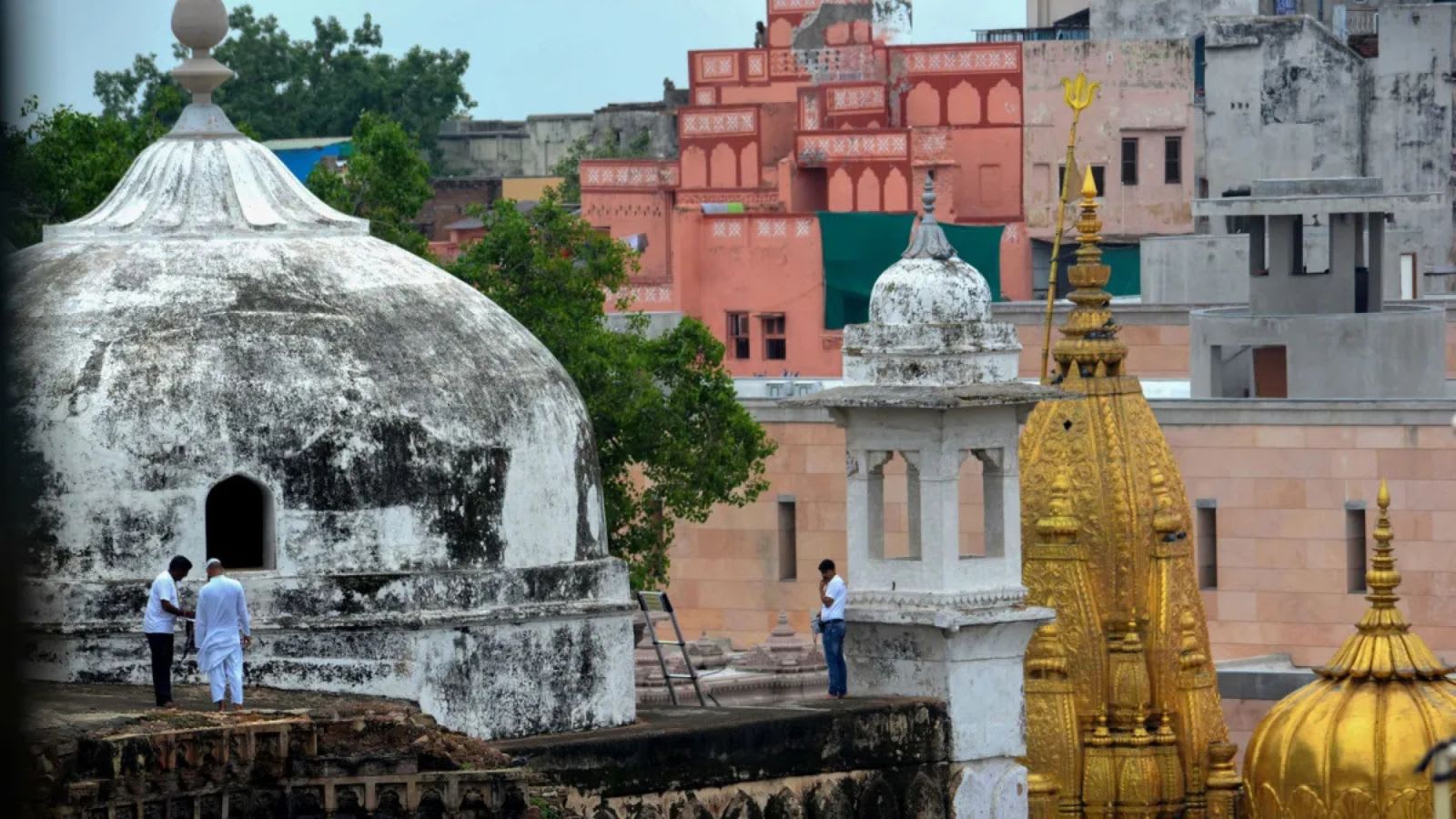
Hindu and Muslim litigants in the Gyanvapi mosque dispute have refused to participate in Supreme Court-mandated mediation talks, with Hindu claimants asserting ownership of the entire complex, signaling a move toward a strictly judicial resolution.
Deadlock in the Gyanvapi Dispute: The Failure of Mediation
The long-standing legal battle over the Gyanvapi mosque complex in Varanasi has reached a critical impasse. In a significant development, both the Hindu and Muslim litigants have declined to participate in the mediation talks mandated by the Supreme Court of India. This refusal indicates a deep-seated ideological and legal divide that precludes an amicable settlement, leaving the future of the site entirely in the hands of the judiciary. The collapse of the mediation process underscores the high stakes involved, where religious identity, historical narrative, and territorial claims intersect.
The Breakdown of the Mediation Process
Mediation is typically employed by the Supreme Court to resolve complex disputes that have significant social or religious implications, aiming for a 'middle path' that avoids the winner-takes-all outcome of a court judgment. However, the absence of both parties from the Tuesday session suggests that neither side is willing to compromise on their fundamental claims. For the Muslim litigants, any concession might be seen as a surrender of established ownership; for the Hindu litigants, the goal is not a compromise but the full restoration of what they believe to be a desecrated temple site. This deadlock effectively shifts the trajectory of the case from a diplomatic resolution back to a rigorous legal contest.
Analysis of the Hindu Claims to the Complex
Central to the current tension is the assertion by Hindu claimants that the entire complex is a temple that was demolished during the Mughal era to make way for the mosque. By claiming the entire complex, the Hindu side is seeking a comprehensive legal declaration that the site's original and rightful nature is that of a temple. This strategy often relies on archaeological evidence, historical texts, and the findings of surveys conducted under court supervision. The insistence on the 'entire complex' rather than specific portions of the site highlights a desire for total reclamation, which fundamentally clashes with the existing administrative and religious use of the mosque.
Historical Context and the Precedent of Religious Disputes
To understand the gravity of this dispute, one must look at the historical context of land and religious site conflicts in India. The Gyanvapi case mirrors the trajectory of the Ram Janmabhoomi-Babri Masjid dispute in Ayodhya, where decades of litigation eventually led to a landmark Supreme Court verdict. The historical narrative surrounding Gyanvapi involves claims that the Kashi Vishwanath temple was destroyed by Aurangzeb, a claim that fuels the current legal drive for restoration. Because of the Ayodhya precedent, there is an expectation among certain litigants that the courts may eventually favor historical claims over current possession, which may be why the Hindu side is pushing for total ownership rather than a mediated split.
Legal Implications and Future Trajectory
With mediation off the table, the case will now proceed through formal adjudication. This means the court will rely heavily on evidence, including the Archaeological Survey of India (ASI) reports and historical documentation. The legal battle is likely to intensify, focusing on the 'Places of Worship (Special Provisions) Act, 1991,' which generally prohibits the alteration of the religious character of a place of worship as it existed on August 15, 1947. The court's interpretation of this Act—and whether the Gyanvapi complex falls under its protections or is an exception—will be the pivotal legal pivot upon which the final verdict rests.
Conclusion: A Path Toward Judicial Finality
The refusal to engage in mediation marks the end of the attempt to find a consensual solution to the Gyanvapi dispute. As the Hindu side doubles down on its claim to the entire complex and the Muslim side maintains its stance, the conflict has moved beyond the realm of negotiation. The Supreme Court now faces the daunting task of navigating a highly emotive issue while upholding the rule of law. Ultimately, this case will not only decide the fate of a physical structure in Varanasi but will also further define the legal framework for resolving historical religious disputes in modern India.