We need encouragement, recognition more than money, says Kalyana Karnataka-based folk artist
Source Entity
India Latest News: Top National Headlines Today & Breaking News | The Hindu
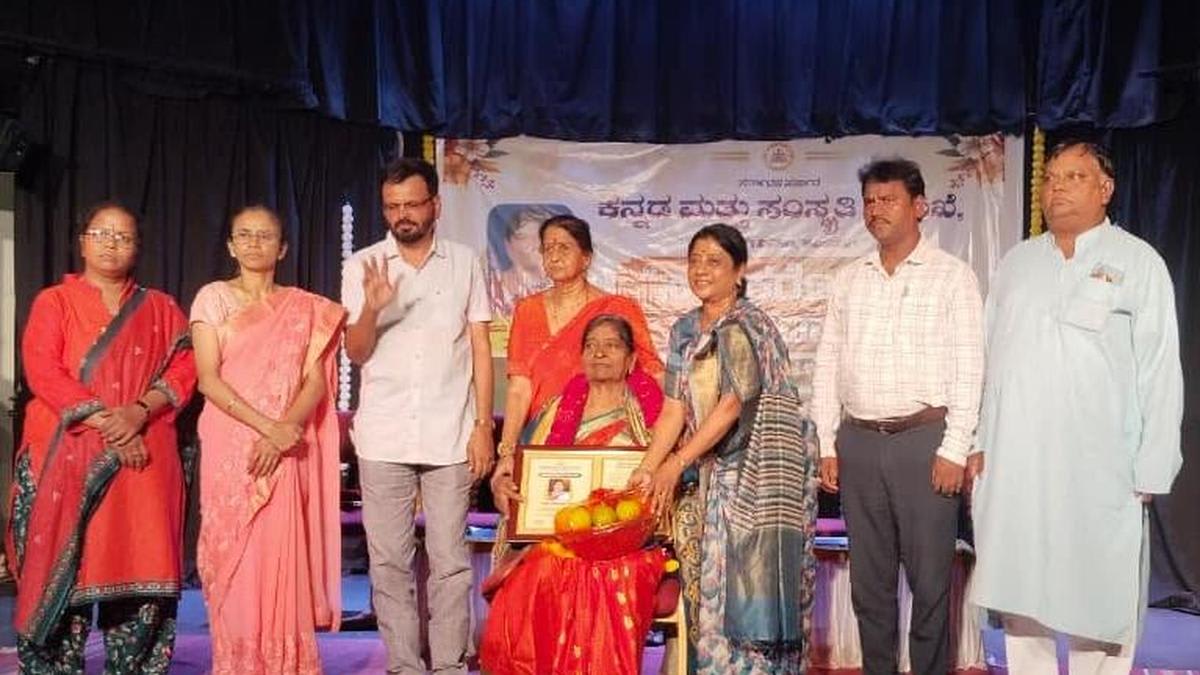
Rajyotsava award winner Hanifa M. Shaikh shares her journey at a programme organised by Kannada and Culture Department and Rangayana
The Soul of Art: Recognition Over Remuneration
In a poignant reflection on the life of a traditional performer, Hanifa M. Shaikh, a distinguished Rajyotsava award winner from the Kalyana Karnataka region, shared her journey during a recent program organized by the Kannada and Culture Department and Rangayana. Her central thesis—that encouragement and recognition outweigh monetary compensation—serves as a critical commentary on the intrinsic motivations of folk artists and the systemic gaps in how cultural heritage is supported in modern India. This statement highlights a profound psychological need for validation within the artistic community, where the preservation of a craft is often a lifelong labor of love rather than a commercial venture.
The Cultural Landscape of Kalyana Karnataka
To understand the weight of Shaikh's words, one must look at the socio-cultural fabric of Kalyana Karnataka. This region, historically known for its unique blend of linguistic and artistic traditions, has long been a cradle for folk arts that mirror the struggles and triumphs of the rural populace. Folk art in this belt is not merely entertainment; it is a vessel for oral history, social critique, and spiritual expression. However, these artists often operate on the fringes of the mainstream economy. When an artist like Hanifa M. Shaikh receives the Rajyotsava award—one of the highest honors bestowed by the State of Karnataka—it transforms the artist's social standing, providing a level of legitimacy that money alone cannot purchase.
The Role of Institutional Support: Rangayana and the State
The collaboration between the Kannada and Culture Department and Rangayana in organizing this event is significant. Rangayana, as a premier center for theater and cultural research, acts as a bridge between grassroots folk traditions and academic or urban audiences. By providing a platform for Shaikh to share her journey, these institutions are acknowledging that the 'human' element of art—the struggle, the passion, and the need for mentorship—is as important as the 'product' of the art itself. Such initiatives are crucial because they move the conversation from a transactional relationship (paying an artist for a performance) to a relational one (investing in the artist's legacy).
The Paradox of Monetary Aid vs. Social Validation
Shaikh's assertion that recognition is more valuable than money reveals a recurring paradox in the arts. While financial stability is a prerequisite for survival, the 'death' of folk art usually occurs not because of a lack of funds, but because of a lack of respect and interest from the younger generation. When the state and society provide 'encouragement'—through awards, public honors, and the integration of folk arts into school curricula—they create a prestige economy. This prestige encourages the next generation to take up the mantle of their ancestors, ensuring that the art form does not vanish into obscurity. Money can sustain an artist, but recognition sustains the art form.
Challenges in the Digital Age
In the contemporary era, folk artists face an uphill battle against the hegemony of digital entertainment and globalized pop culture. The struggle for 'encouragement' is more acute now than ever. Traditional performances are often relegated to niche festivals or government-sponsored events, losing their organic connection to the community. Shaikh's call for recognition is a plea for the visibility of her craft in a world that is increasingly distracted. It suggests that for folk artists to thrive, there must be a concerted effort to re-contextualize their work for modern audiences without stripping away its authenticity.
Future Trends in Cultural Preservation
Looking forward, the narrative shifted by artists like Hanifa M. Shaikh suggests a need for a more holistic approach to cultural policy. Future trends will likely move toward 'living museums' and residency programs where artists are recognized as educators and historians rather than just performers. The state's focus must shift from providing one-time grants to creating sustainable ecosystems where recognition is institutionalized. This could include the establishment of regional folk archives and the creation of certification programs that validate the expertise of traditional practitioners.
Conclusion
Hanifa M. Shaikh's journey and her insistence on the value of recognition serve as a reminder that the heart of culture lies in the dignity of the practitioner. Her experience underscores the fact that while financial support is necessary, the true sustenance for an artist comes from knowing that their contribution to the cultural tapestry of Karnataka is seen, valued, and remembered. The event organized by Rangayana and the Culture Department is a step toward this validation, but the broader challenge remains to ensure that every folk artist in Kalyana Karnataka feels the same sense of belonging and honor.
Verification Required?