Harsh Goenka shares Vande Bharat video with littered seats: ‘How to teach civic sense?’
Source Entity
The Indian Express
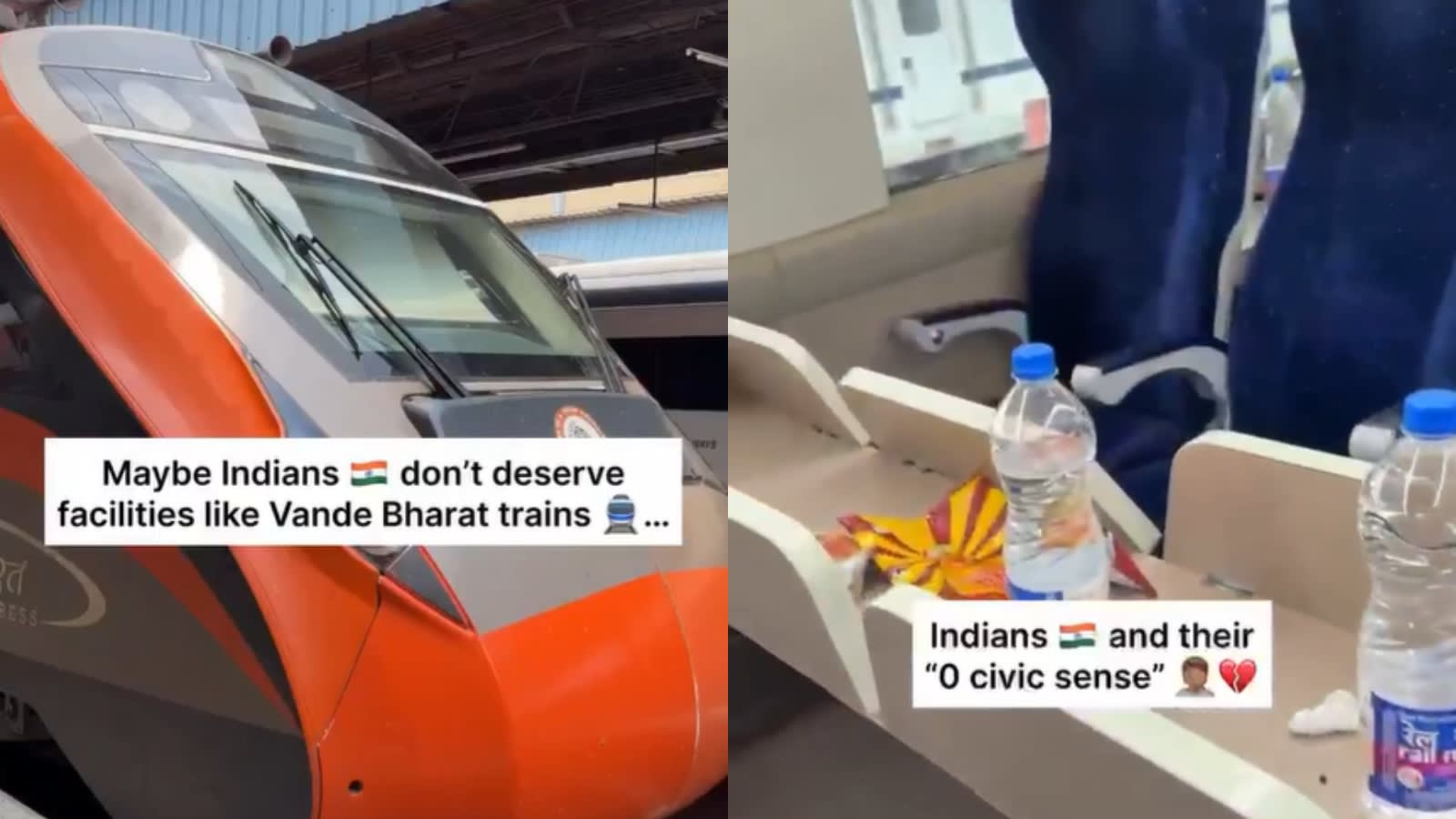
Industrialist Harsh Goenka highlighted the issue of passenger littering on Vande Bharat trains, sparking a debate on civic responsibility. The viral video contrasts high-quality onboard services with the poor maintenance of coaches by travelers.
The Vande Bharat Dilemma: Civic Sense vs. Modern Infrastructure
Industrialist Harsh Goenka recently ignited a significant public discourse by sharing a video on the platform X, showcasing the state of Vande Bharat train coaches after passenger use. The footage captures a disheartening scene: plastic wrappers stuffed into seat pockets and empty drink cans discarded on floors and seats. This visual evidence serves as a stark reminder of the growing gap between the modernization of Indian infrastructure and the corresponding evolution of passenger behavior.
The Contrast of Modernity and Neglect
The Vande Bharat trains represent a flagship leap in Indian rail technology, offering travelers premium amenities, cleaner interiors, and a structured service model that includes breakfast, snacks, and newspaper distribution. As Goenka’s video illustrates, the railway staff fulfills their duties by maintaining clean washrooms and clearing meal trays efficiently. Yet, despite these top-tier services, the final state of the coach suggests that infrastructure upgrades alone cannot guarantee a premium travel experience if the users do not reciprocate with basic civic responsibility.
The Psychology of Public Property
This incident highlights a broader, systemic challenge regarding the treatment of public property in India. When a state-of-the-art train, designed to elevate the standard of rail travel, is treated with apathy, it raises questions about the 'ownership' mindset of the public. Historically, Indian Railways have struggled with maintenance; however, the Vande Bharat initiative was intended to set a new benchmark. The persistence of littering behavior indicates that the transition from a 'utility' mindset to a 'pride-in-property' mindset is still in progress.
The Role of Social Media in Accountability
Harsh Goenka’s choice to publicize this issue on social media is a modern form of digital advocacy. By using his platform to highlight the contrast between the staff's service and the passengers' littering, he forces a public conversation on accountability. This digital shaming, while controversial, serves as a mechanism to pressure society into self-correction, potentially influencing future passenger behavior through peer-driven social norms.
Future Implications for Rail Travel
If the trend of mistreating high-speed, modern coaches continues, the operational costs for the Indian Railways will inevitably rise due to intensified cleaning requirements and potential damage to fittings. The sustainability of the Vande Bharat project depends not only on engineering excellence but also on the cooperation of its passengers. Future initiatives may require stricter enforcement, better waste management technology, or enhanced public awareness campaigns to ensure these assets remain in pristine condition for years to come.
Concluding Thoughts
Ultimately, the Vande Bharat trains are a reflection of India’s aspirations for world-class infrastructure. However, the maintenance of such progress is a collective responsibility. While the government provides the platform, the passengers provide the culture. The viral nature of this incident highlights that the public is indeed observant and critical of the degradation of these premium services, suggesting a growing demand for a higher standard of civic conduct in public spaces.