Maharashtra Government declares drought in 265 talukas
Source Entity
India Latest News: Top National Headlines Today & Breaking News | The Hindu
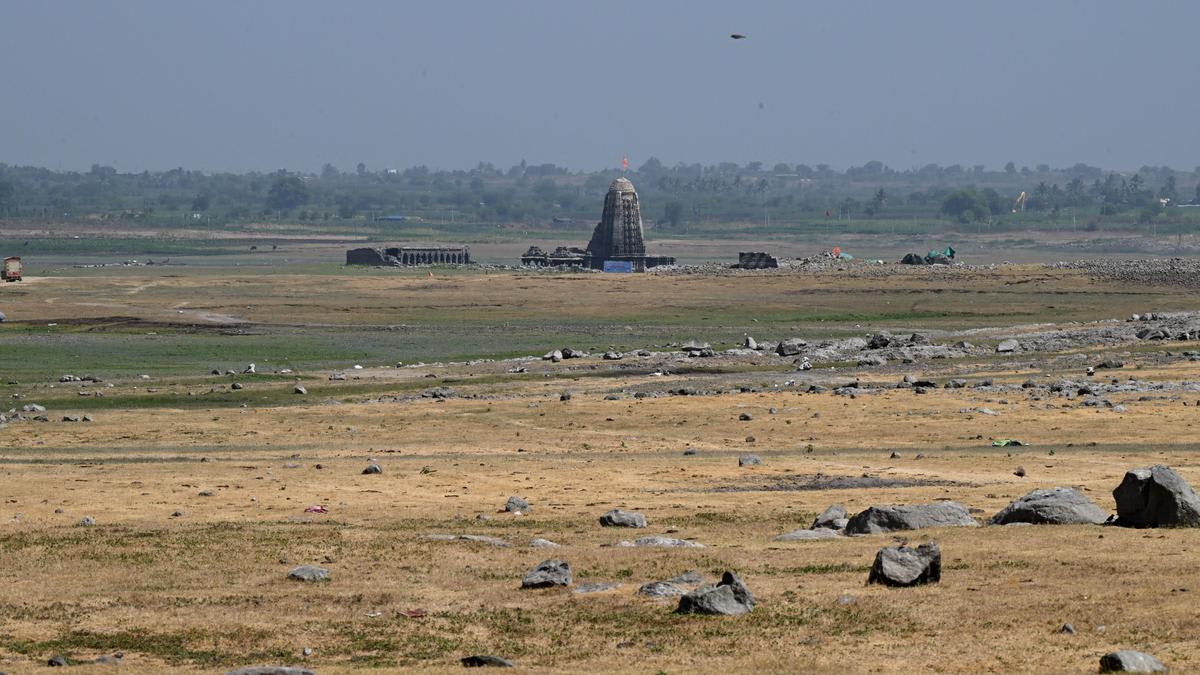
The Maharashtra government has declared a drought in 265 of 358 talukas following an 18.8% monsoon rainfall deficit. This critical declaration triggers 12 immediate relief measures, including loan restructuring and utility bill exemptions, to support impacted agricultural regions.
Maharashtra Declares Drought Crisis Across 265 Talukas
On September 26, 2026, the Maharashtra government issued a pivotal government resolution (GR) officially declaring a drought across 265 of the state’s 358 talukas. This administrative action, rooted in the Agriculture Commissioner’s assessment of severe crop loss, underscores the catastrophic impact of an 18.8% rainfall deficit recorded between June and September 18. With actual rainfall reaching only 755.9 mm during this critical window, the state has been forced to mobilize emergency resources to mitigate the fallout for its agrarian economy.
Regional Vulnerabilities and Rainfall Disparities
While the national monsoon deficit stands at approximately 13%, Maharashtra’s 18% deficit highlights a significant regional crisis characterized by extreme variability. Traditional rain-shadow regions like Marathwada and Vidarbha have borne the brunt of this climate anomaly, recording 38% and 27% rainfall deficiencies, respectively. The crisis is not uniform; it is concentrated in districts such as Yavatmal, Jalgaon, and Ahilyanagar, with Solapur, Dharashiv, Latur, Hingoli, Jalna, and Beed facing particularly dire conditions.
A Comprehensive Relief Framework
In response to the widespread devastation, the government has activated 12 essential relief measures designed to provide a financial and social buffer for affected farmers. These measures are wide-ranging, encompassing direct economic relief such as land revenue waivers, crop loan restructuring, and a mandatory stay on farm loan recovery. Furthermore, the state has moved to prevent utility-related hardships by granting exemptions from agricultural pump electricity bills and banning the disconnection of these critical power sources.
Social and Infrastructure Support
Beyond immediate agricultural relief, the government resolution addresses the socioeconomic burden on rural households. By implementing school exam fee waivers and relaxing the work requirements for the Mahatma Gandhi National Rural Employment Guarantee Act (MNREGA), the administration aims to prevent a total collapse of local livelihoods. The deployment of drinking water tankers also signifies the acute nature of the resource scarcity affecting these regions, as the lack of monsoon water jeopardizes both irrigation and basic potable water availability.
Broader Implications and Future Outlook
This declaration serves as a stark reminder of the volatility inherent in Maharashtra’s agricultural cycle. By officially identifying these 265 talukas as drought-affected, the state government is attempting to stabilize the rural economy before the damage to the Kharif crop leads to a deeper, multi-year economic depression. Moving forward, the effectiveness of these relief measures—particularly the transition from emergency aid to long-term loan restructuring—will be critical in determining the recovery trajectory for North Maharashtra, Pune, and the severely impacted Vidarbha and Marathwada divisions.
Multiple Citing Sources
Verification Required?