35 years on, Himachal High Court orders equal pay for art teacher hired on lower scale
Source Entity
Jagriti Rai
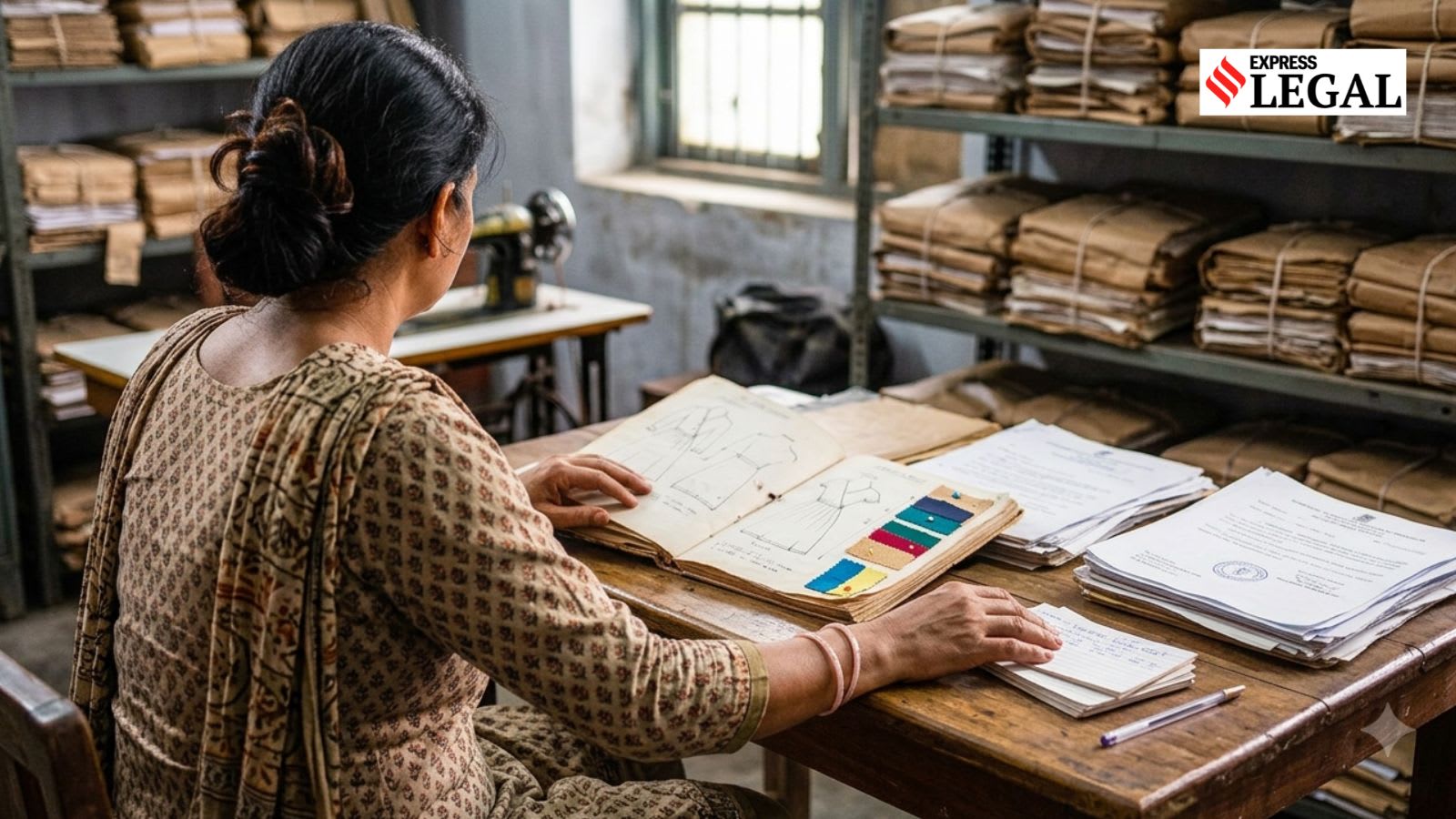
The Himachal Pradesh High Court has ruled in favor of an art and craft teacher, ordering pay parity after 35 years of service. The court found her duties and qualifications comparable to peers in other departments, despite her initial misclassification.
A Landmark Ruling for Pay Equity in Himachal Pradesh
The Himachal Pradesh High Court has delivered a significant verdict after a protracted 35-year legal battle, ruling in favor of an art and craft teacher who had been systematically denied equal pay. Justice Jiya Lal Bhardwaj, presiding over the case, quashed previous administrative orders that had rejected the petitioner's claim for pay parity, asserting that her professional contributions were equivalent to those of her counterparts in other state departments.
The Origins of a Discrepancy
The case highlights a bureaucratic error that persisted for over three decades. The teacher, initially interviewed for the position of junior tailoring mistress within the Rural Development Department, was ultimately appointed as an art and craft teacher under the Agriculture Department. This misclassification led to a long-standing discrepancy where she was paid on a lower scale than peers possessing similar qualifications and performing comparable duties. This structural failure underscores the necessity for rigorous administrative oversight in government recruitment processes.
Legal Precedent for Equal Pay
At the heart of the court's decision is the principle of 'equal pay for equal work,' a cornerstone of labor law and constitutional fairness in India. By acknowledging that the petitioner discharged duties identical to those in other departments, the court effectively dismantled the state's justification for the pay gap. The ruling serves as a reminder that administrative convenience or clerical misallocation cannot be used as a shield to deny employees their rightful remuneration over the course of their career.
Impact of the Judicial Directive
The court’s order mandates that the state authorities revise the teacher's pay scale to reflect parity with her peers. While the court limited the recovery of arrears to the three-year period preceding the filing of the petition, the ruling stands as a moral and legal victory. It provides long-overdue rectification for an employee who spent the majority of her professional life operating under a disadvantageous pay structure.
Broader Implications and Future Trends
This case highlights the systemic challenges faced by government employees regarding pay classification and the often agonizingly slow pace of judicial redress. The Himachal Pradesh High Court’s decision is expected to embolden other public sector employees facing similar discrepancies to seek legal remedy. As government departments increasingly digitize and streamline human resource records, the hope is that such administrative anomalies will become less frequent, reducing the burden on the judiciary to rectify decades-old employment errors.
Conclusion
Ultimately, this verdict reaffirms the judiciary's role as the final arbiter of fairness in the public sector. By prioritizing the substance of the work performed over the technicalities of a mislabeled appointment, the court has ensured that the petitioner's years of service are finally recognized with the financial compensation she deserved. It serves as a vital precedent for administrative accountability and labor rights within the state.