High Court relief to Himachal PWD minister: allows passports to be renewed
Source Entity
Saurabh Parashar
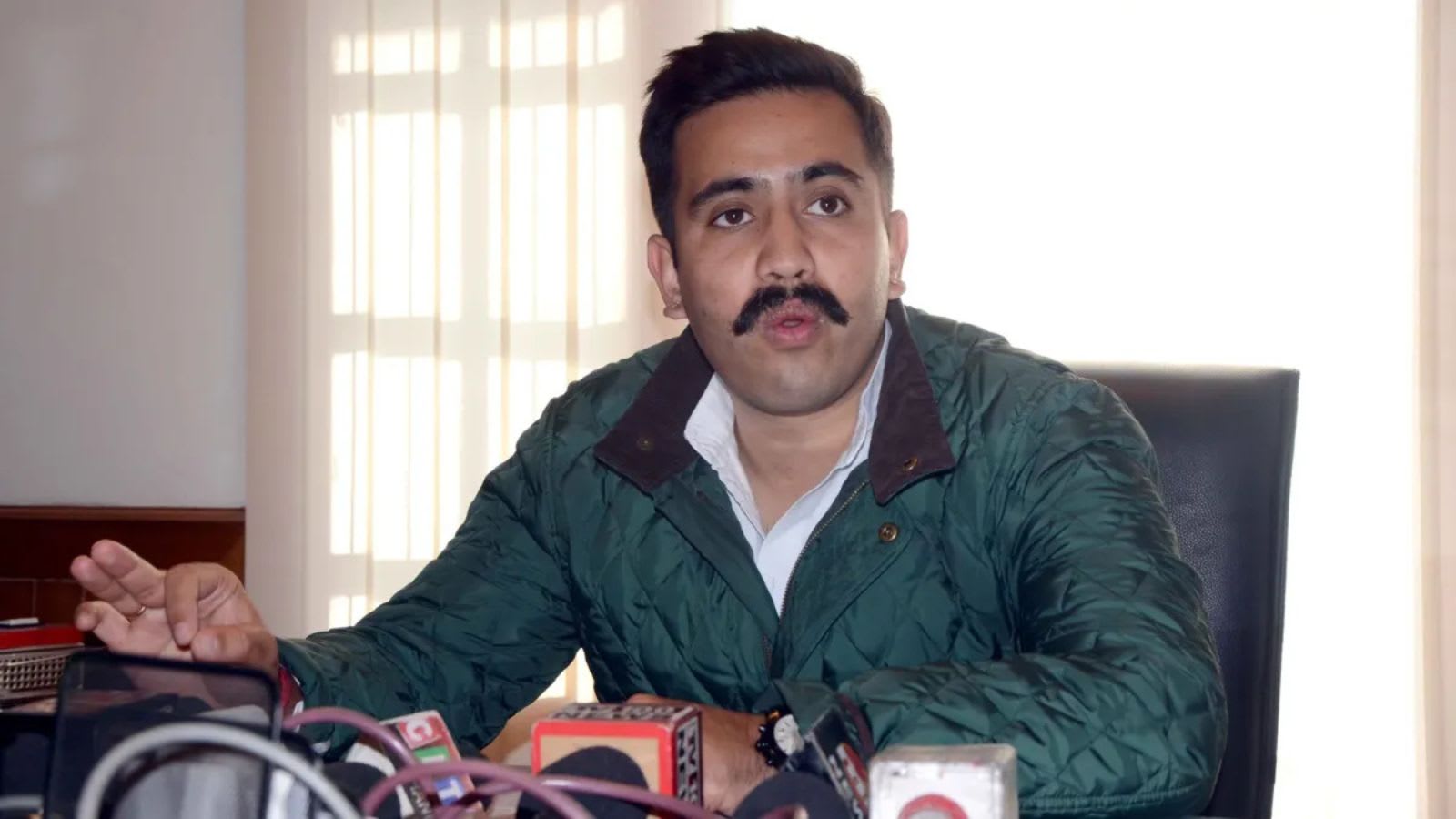
In a relief to Public Works Department (PWD) Minister Vikramaditya Singh, the Himachal Pradesh High Court has upheld a single-bench judge’s order, directing the Regional Passport Office to renew passp...
Judicial Relief for Himachal PWD Minister Vikramaditya Singh
In a significant legal development, the Himachal Pradesh High Court has provided crucial relief to Public Works Department (PWD) Minister Vikramaditya Singh by upholding a previous single-bench judge's order. The court directed the Regional Passport Office to proceed with the renewal of the Minister's passport, effectively resolving a legal stalemate that had hindered his ability to obtain valid travel documentation. This decision underscores the judiciary's role in balancing administrative regulations with individual rights, particularly when dealing with high-profile public officials.
The Legal Friction: Passports and Pending Proceedings
To understand the gravity of this ruling, it is essential to recognize the standard operating procedures of the Regional Passport Office (RPO) in India. Typically, the renewal of a passport is withheld or delayed if the applicant is facing pending criminal proceedings or is under investigation. This is a precautionary measure intended to prevent individuals from fleeing the country to evade the legal process. In the case of Vikramaditya Singh, the legal battle centered on whether the pending nature of certain cases should automatically disqualify him from renewing his travel documents or if the court could grant a specific exemption based on the merits of the situation.
Political and Administrative Implications
As the Minister for Public Works Department, Vikramaditya Singh holds a pivotal role in the infrastructure development of Himachal Pradesh. The ability to travel internationally is often a necessity for cabinet ministers, whether for attending diplomatic summits, exploring foreign infrastructure models to implement locally, or engaging in official state-sponsored delegations. The High Court's decision to allow the renewal ensures that the Minister's official capacity is not hampered by administrative bottlenecks, thereby ensuring that the state's executive functions remain unimpeded by personal legal disputes.
The Judicial Path: From Single-Bench to Upheld Order
The trajectory of this case—moving from a single-bench order to a final upholding—demonstrates a consistent judicial view on the matter. When a single-bench judge first ruled in favor of the Minister, it established a preliminary legal logic that the RPO's refusal was perhaps overly restrictive. By upholding this order, the High Court has reinforced the principle that the right to travel is a significant consideration, and that administrative hurdles should not be used as a blanket tool for restriction unless there is a demonstrable risk of flight or a specific legal mandate prohibiting travel.
Broader Legal Context: The Right to Travel
This case mirrors a broader ongoing debate in Indian jurisprudence regarding the 'Right to Travel' as a facet of personal liberty under Article 21 of the Constitution. The courts have frequently been called upon to decide whether the state can restrict a citizen's movement via the denial of a passport during ongoing litigation. By granting relief to the PWD Minister, the court continues a trend of ensuring that the denial of a passport is not used as a pre-emptive punishment before a conviction is reached, provided the individual is willing to abide by the court's conditions.
Future Trends and Precedents
Looking forward, this ruling may serve as a reference point for other political figures and citizens in Himachal Pradesh facing similar passport renewal disputes. It signals that the judiciary is inclined to provide relief if the applicant can show that the restriction is disproportionate to the legal risks involved. We can expect a continued trend where the courts scrutinize the RPO's discretionary powers more closely to ensure they are not applied arbitrarily against individuals who are actively participating in the legal process within the country.
Conclusion
The Himachal Pradesh High Court's decision to allow Vikramaditya Singh to renew his passport is more than a personal victory for the PWD Minister; it is a reaffirmation of judicial oversight over administrative procedures. By upholding the single-bench order, the court has ensured that legal proceedings do not unnecessarily strip a public official of their mobility, provided the legal requirements are met, thereby maintaining a balance between law enforcement and individual liberty.