How to Make a Lovable City
Source Entity
Hacker News
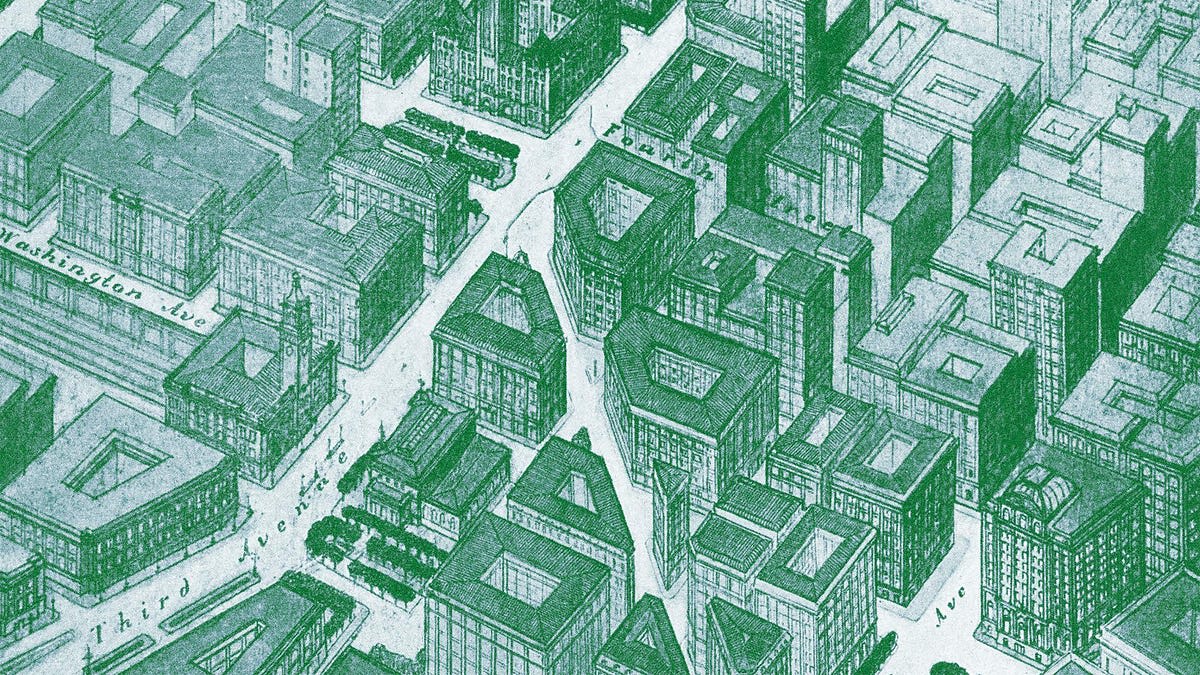
Camillo Sitte’s 1889 urban planning theories explain why diverse cities like Prague and Osaka both succeed as walkable, lovable spaces. By prioritizing human-scale enclosures and intimate streetscapes, urban design can foster character regardless of a city's architectural age.
The Architecture of Human Connection
What makes a city truly 'lovable'? While many observers instinctively point to the preservation of ornate, historic architecture—such as the medieval facades of Prague, Bruges, or Verona—this explanation fails to account for the magnetic pull of dense, modern metropolises like Osaka, Taipei, and Hong Kong. Despite their starkly different aesthetic profiles, these global hubs share an undeniable sense of character and enchantment that resonates with inhabitants and visitors alike. The paradox suggests that the secret to urban vitality lies not in the age of the buildings, but in the fundamental principles of spatial design.
The Sitte Paradigm: A Blueprint for Intimacy
In his seminal 1889 work, The Art of Building Cities, Austrian architect Camillo Sitte sought to decode the DNA of successful public spaces. Sitte challenged the prevailing architectural trends of his time, which often prioritized grandiose, open-ended boulevards. Instead, he championed the concept of the 'enclosed' public space. Sitte argued that the most successful urban environments are those that feel physically contained and human-scaled, offering pedestrians a sense of shelter and intimacy that grand, sprawling plazas often lack.
Defining the Picturesque Perspective
Central to Sitte’s philosophy is the deliberate management of perspective. By ensuring that public spaces are relatively small and sheltered, architects can frame specific views, creating a 'picturesque' experience that guides the eye and defines the character of the street. This design choice serves a secondary functional purpose: it makes public buildings appear larger and more imposing by contrast. By controlling the visual field, Sitte argued, planners can transform a simple intersection or square into a place of profound emotional resonance.
Modern Applications of Historic Wisdom
When we analyze the success of modern cities like Tokyo or Hong Kong through Sitte’s lens, the connection becomes clear. These cities often feature narrow, dense street networks that create a sense of constant enclosure. While the buildings themselves may be 'nondescript' or utilitarian, the rhythm of the street—the way it turns, the way it confines the view, and the way it protects the pedestrian from the vastness of the urban grid—replicates the very intimacy Sitte praised in 19th-century European squares.
The Future of Urban Livability
As we look toward the future of urban development, the lessons of Camillo Sitte remain vital. In an era of rapid urbanization, the instinct is often to build upward and outward, neglecting the 'in-between' spaces. However, the endurance of both historic European centers and modern Asian hubs proves that human beings crave environments that offer protection, mystery, and a manageable scale. Future urban planning must prioritize the 'lovability' of streets, emphasizing the quality of the public realm over the sheer height or age of the structures themselves.
Conclusion: Beyond Aesthetics
Ultimately, the 'lovability' of a city is an experiential quality rooted in geometry and human psychology. By moving away from the obsession with architectural style and focusing instead on how buildings enclose and define space, planners can foster vibrant, enchanted environments. Whether it is the cobblestone alleys of Bruges or the neon-lit corridors of Osaka, the successful city is one that respects the human need for intimacy and spatial narrative.