Colorado family protects 650 acres of six-generation ranch after 150 years
Source Entity
TOI WORLD DESK
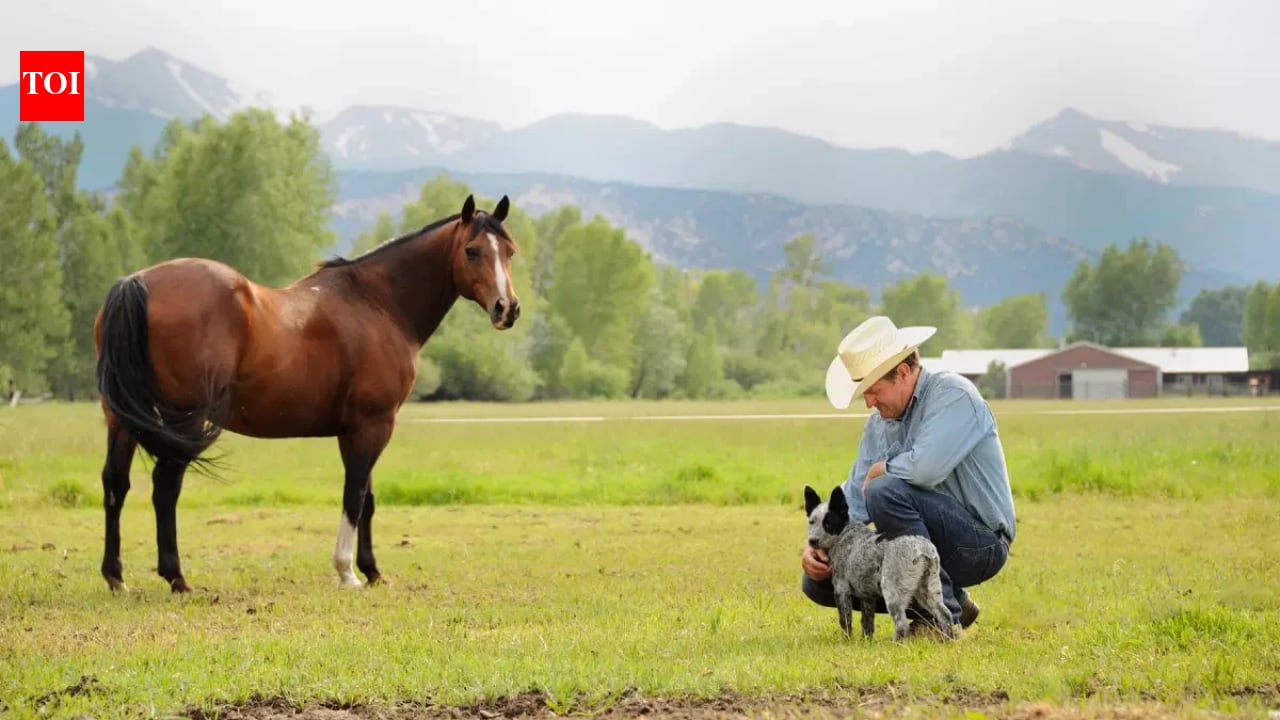
The historic Hutchinson Ranch in Colorado, held by the same family for six generations, has protected 650 of its 700 acres from development. This conservation effort ensures the land remains a working ranch while preventing future subdivision.
A Legacy Preserved: The Hutchinson Ranch Conservation
The Hutchinson Ranch, situated along US Highway 50 between Salida and Poncha Springs, stands as a testament to agricultural endurance in Colorado. With roots dating back to 1868—prior to Colorado’s statehood—the property has remained under the stewardship of the Hutchinson family for six consecutive generations. This remarkable continuity makes it the oldest family-owned ranch in the Upper Arkansas Valley, representing a unique bridge between 19th-century pioneer history and modern land management practices.
The Mechanics of Conservation
In a strategic move to safeguard their heritage, the family entered into conservation agreements covering 650 of the ranch's 700 total acres. These legal instruments are critical in the context of Western land use; they permanently restrict subdivision and commercial development, effectively removing the land from the speculative real estate market. By doing so, the Hutchinsons have ensured that the property cannot be fragmented into smaller parcels, a common fate for historic ranches facing the pressures of urban sprawl and rising land values.
Historical Context and Past Vulnerability
The significance of this preservation effort is underscored by the ranch's precarious status in the early 2000s. In 2003, the property was formally recognized as one of the most endangered sites in Colorado. This designation highlighted the vulnerability of historic agricultural lands to development encroachment. The transition from an "endangered" status to a protected landscape illustrates the vital role that non-profit organizations, such as The Trust for Public Land, play in partnering with private landowners to maintain the cultural and ecological integrity of rural landscapes.
Economic and Agricultural Implications
While the conservation agreements prohibit subdivision, they notably allow the Hutchinson family to continue their traditional ranching operations. This balance is essential for the economic viability of the property; by keeping the land in active agricultural use, the family preserves the local economy and the specific character of the Upper Arkansas Valley. It serves as a model for how multi-generational families can navigate the complexities of inheritance and estate planning without being forced to sell to developers.
Broader Trends in Land Stewardship
This case highlights a growing trend across the American West where private landowners are increasingly looking toward conservation easements as a tool for legacy planning. As development pressure intensifies along major corridors like Highway 50, the protection of large, contiguous tracts of land becomes increasingly rare. The Hutchinson Ranch serves as a blueprint for balancing private ownership rights with the public interest in preserving open space, biodiversity, and agricultural heritage for future generations.
Conclusion
Ultimately, the protection of 650 acres of the Hutchinson Ranch is more than a legal milestone; it is an act of historical preservation. By cementing the future of this 150-year-old homestead, the Hutchinson family has secured a piece of Colorado's pioneer history. Their commitment ensures that the landscape will remain as it has been for over a century, providing both a working agricultural site and a preserved memory of the state’s early development.