‘No land for Christian burials’: In Chhattisgarh, gram sabha resolution raises concerns
Source Entity
Jayprakash S Naidu
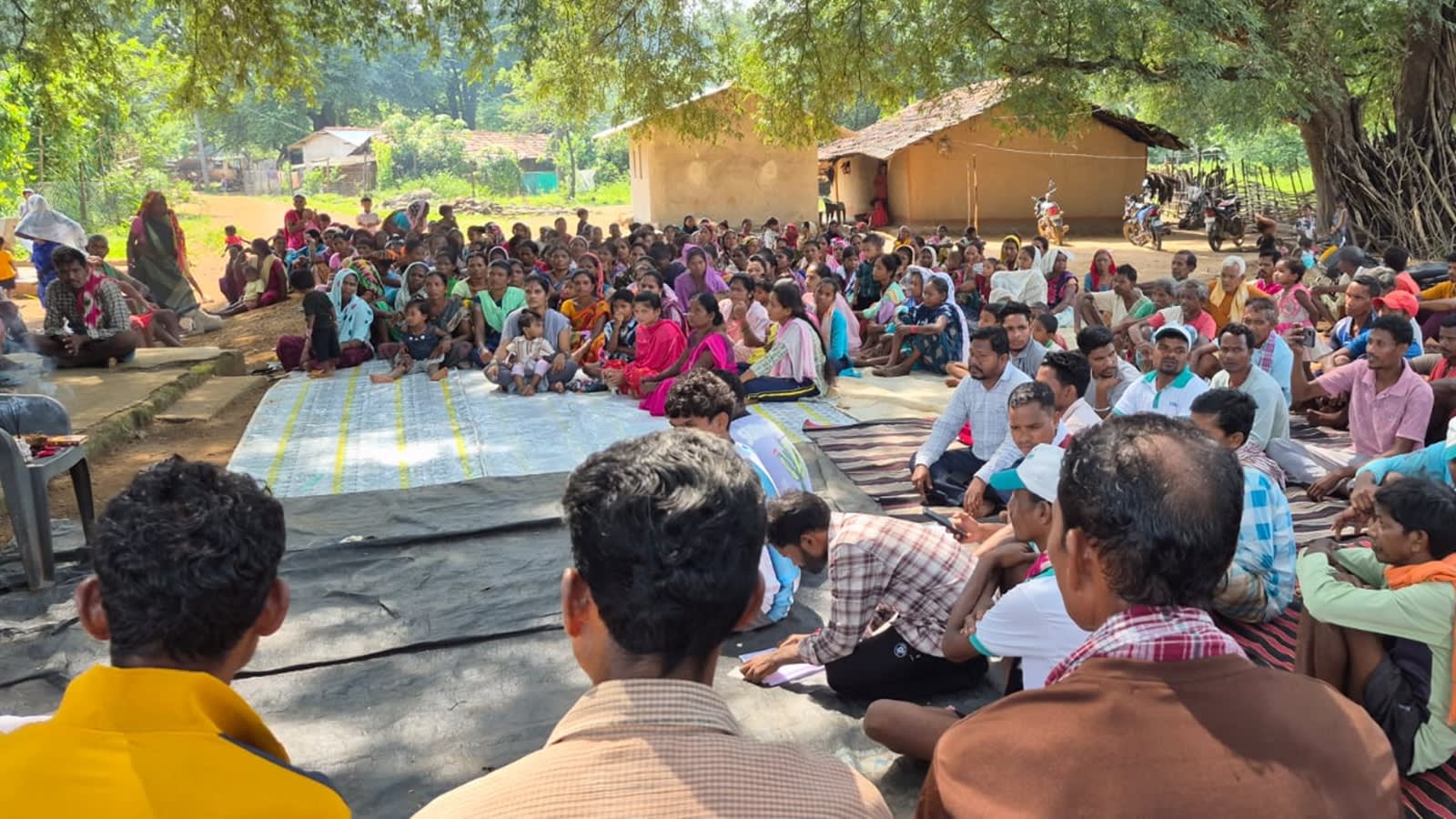
The Punpalli village council in Chhattisgarh has passed resolutions banning land allotment to Christians for burials and religious activities. The move has sparked concerns over constitutional rights and religious freedom for the local community.
Tensions Rise in Chhattisgarh: The Punpalli Land Dispute
A deeply concerning situation has emerged in the Punpalli village of Chhattisgarh’s Sukma district, where the local gram sabha has officially passed a resolution strictly prohibiting the allotment of community land to Christians and converts. The resolution explicitly denies access to land for burials, the construction of churches, and the hosting of prayer meetings. This development represents a significant escalation in local administrative policies regarding religious practice and communal land use.
The Scope of the Restrictions
According to the official press release issued by the village panchayat on October 2, the resolution states that "not even an inch" of gram sabha land will be provided to the Christian community. Beyond land access, physical banners have been erected in the village prohibiting the entry of pastors for religious activities. The local council claims these decisions are supported by constitutional provisions, a stance that is being strongly contested by the affected residents and civil society observers.
Constitutional Conflict and Religious Freedom
At the heart of this controversy is the tension between the autonomy of local gram sabhas and the fundamental rights guaranteed by the Indian Constitution. For the Christian community in Punpalli—a village of approximately 2,000 residents—the denial of burial space is particularly distressing. Burial is a core religious practice, and the inability to secure land within their own community forces families to consider traveling long distances to perform final rites, placing an undue burden on grieving families.
Local Governance and Communal Dynamics
Madkam Bhima, a Janpat member elected from Punpalli, has highlighted that the resolution specifically targets tribal members who have converted to Christianity. The administrative move is part of a broader set of 12 resolutions recently adopted by the panchayat. This pattern of local governance reflects a growing trend of exclusionary practices that prioritize specific communal interests over the pluralistic principles enshrined in the national legal framework.
Broader Implications and Future Outlook
The situation in Sukma district raises critical questions about the limits of local governance in matters of religious freedom. When administrative bodies use their authority to restrict the movement of clergy or prohibit religious gatherings, it sets a precarious precedent for secular governance. As the Christian community seeks to address these infringements, the outcome of this dispute will likely influence how other village councils in the region approach similar issues of religious coexistence and land management.
Conclusion
As the affected families navigate the practical consequences of these bans, the conflict in Punpalli serves as a litmus test for the enforcement of constitutional protections at the grassroots level. The resolution not only limits the physical space available for religious practice but also deepens social fissures within the village. The coming weeks will be crucial in determining whether higher administrative authorities intervene to uphold constitutional rights or if these local restrictions remain unchallenged.