India proposes 3-part truce amid Russia-Ukraine war to keep grain, energy flowing
Source Entity
Latest News: Todays Latest News Headlines from India & World | Hindustan Times | Hindustan Times
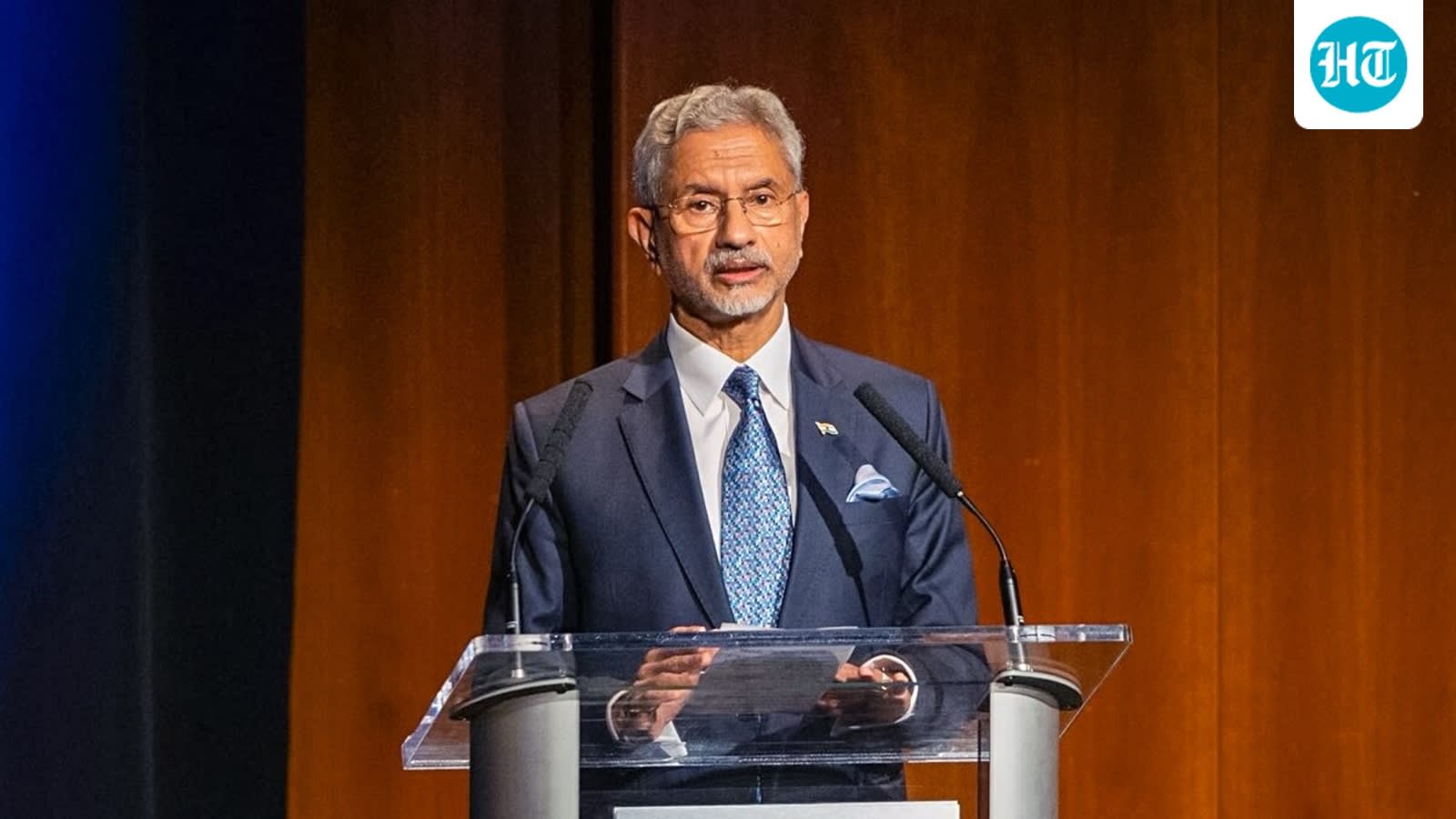
India has proposed a comprehensive three-part truce to the Russia-Ukraine conflict, focusing on protecting energy and port infrastructure. The initiative marks a shift in New Delhi's strategy from mere advocacy to active, practical diplomacy with both Kyiv and Moscow.
India’s Strategic Shift: A Three-Part Truce Proposal
India has recently emerged as a pivotal diplomatic intermediary in the ongoing Russia-Ukraine conflict, presenting a "three-part" ceasefire proposal that has garnered significant attention from Kyiv. During a landmark visit to Ukraine on September 3, External Affairs Minister S. Jaishankar engaged in high-level discussions with President Volodymyr Zelensky and Foreign Minister Andrii Sybiha. This trip, the first of its kind by an Indian Foreign Minister, signals a transition in India's foreign policy from traditional advocacy to a more proactive, practical approach to global conflict resolution.
The Mechanics of the Proposal
While the specific technical details of the three-part plan remain under wraps, the core of the proposal centers on the urgent necessity of commodity security. Ukraine, through Foreign Minister Sybiha, has acknowledged that the Indian initiative is the "most comprehensive" among several proposals submitted by various international actors, including Egypt, Turkey, and the United States. The Ukrainian leadership has indicated a willingness to entertain ceasefire formats, provided they include rigorous protections for critical energy grids and vital port infrastructure, particularly within the Black Sea region.
Addressing Commodity and Infrastructure Security
The emphasis on energy and port infrastructure is not merely a tactical request from Kyiv; it reflects a broader global concern regarding the stability of supply chains. By focusing on these specific sectors, India’s proposal addresses the existential threat to Ukraine’s economy while simultaneously mitigating the risks of global food and energy inflation. Historically, conflicts have often spiraled due to the degradation of essential civilian infrastructure, and New Delhi appears to be prioritizing the preservation of these systems as a prerequisite for any meaningful de-escalation.
Moving Beyond Neutrality to Practical Diplomacy
India has long maintained a stance of strategic autonomy, often criticized by Western powers for its perceived neutrality. However, the current proposal confirms that India has moved beyond simple advocacy. By holding simultaneous, parallel discussions with both Moscow and Kyiv, India is attempting to bridge the deep chasm of distrust between the belligerents. This "practical diplomacy" suggests that India is leveraging its unique position as a major power with stable relations across the geopolitical divide to create a framework that both sides might consider.
The Path Forward and Future Implications
While it is currently unclear how Russia and Ukraine will formally respond to the granular details of the plan, the existence of follow-up exchanges between the three nations indicates that the dialogue remains active. If successful, this framework could serve as a blueprint for future negotiations, proving that non-Western powers can play a decisive role in European security. The international community will be watching closely to see if this Indian-led initiative can gain the necessary momentum to shift the conflict from the battlefield to the negotiating table, thereby securing global economic stability.
Multiple Citing Sources
Verification Required?