'Against all odds': Tennessee death row inmate Christa Pike awake after failed execution
Source Entity
YASHASVI VASISTHA
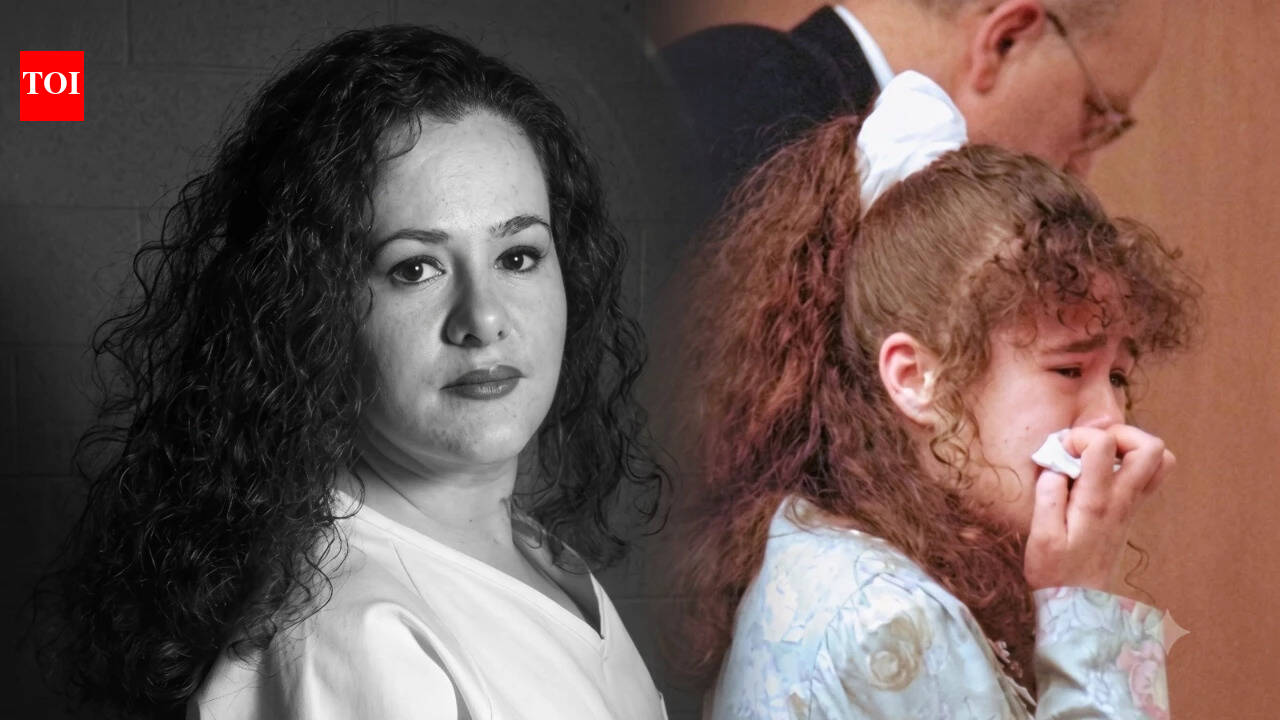
Tennessee death row inmate Christa Pike is awake and speaking following a failed execution attempt involving two doses of pentobarbital. Despite her survival, she remains under critical medical care, shackled to her hospital bed, with attorneys describing her recovery as medically unprecedented.
The Unprecedented Survival of Christa Pike
The recent, highly unusual case of Christa Pike, a Tennessee death row inmate, has brought the complexities and mechanical failures of capital punishment into sharp focus. Scheduled for execution on September 30 for the 1995 murder of Colleen Slemmer, Pike survived two administrations of pentobarbital. This rare occurrence has transitioned from a legal proceeding into a critical medical situation, as the inmate is now recovering in a Nashville hospital.
Current Medical Status and Legal Constraints
According to her legal counsel, Pike is currently conscious and speaking, a development they have described as "medically unprecedented." Despite her survival and the severe physical trauma sustained during the failed procedure—specifically damage to her arms—Pike remains under strict security protocols. Her attorneys report that she is handcuffed and shackled to her hospital bed, highlighting the ongoing tension between her status as a condemned prisoner and her present need for intensive medical intervention.
The Nature of the Failed Execution
The failure of the lethal injection protocol, which involved two doses of pentobarbital, raises significant questions regarding the administration of capital punishment in Tennessee. While the specific biological reasons for her survival remain private, the medical team is currently focused on clearing the toxic substances from her system. Her lawyers have noted that while she is communicative, her long-term prognosis remains unclear, and she faces what they describe as a "long recovery."
Ethical and Humanitarian Concerns
This incident has prompted a public discussion regarding the treatment of inmates who survive state-sanctioned execution attempts. Her defense team has publicly expressed gratitude toward the hospital staff and first responders, noting that these individuals treated Pike "like a human" during a period of extreme vulnerability. This sentiment underscores the ethical dilemmas faced by medical professionals when tasked with treating patients who are simultaneously under a death sentence.
Broader Implications and Future Trends
Historically, failed executions often lead to prolonged legal challenges and intense scrutiny of state execution protocols. The "medically unprecedented" nature of Pike’s survival may trigger further litigation regarding the constitutionality of future execution attempts and the standards of care for inmates who survive such procedures. As the state of Tennessee evaluates its protocols, the case of Christa Pike will likely serve as a pivotal reference point in debates surrounding the reliability and humaneness of lethal injection.
Conclusion
As Christa Pike continues to receive critical care, the situation remains fluid. The legal and medical community will be watching closely to see how the state handles the recovery process and the subsequent questions regarding the future of her sentence. For now, the focus remains on her stabilization, while the broader implications of this failed execution continue to resonate through the judicial and public spheres.