'Asked mom for Rs 6,000': Mystery shrouds Hyderabad student's death in Finland
Source Entity
TNN
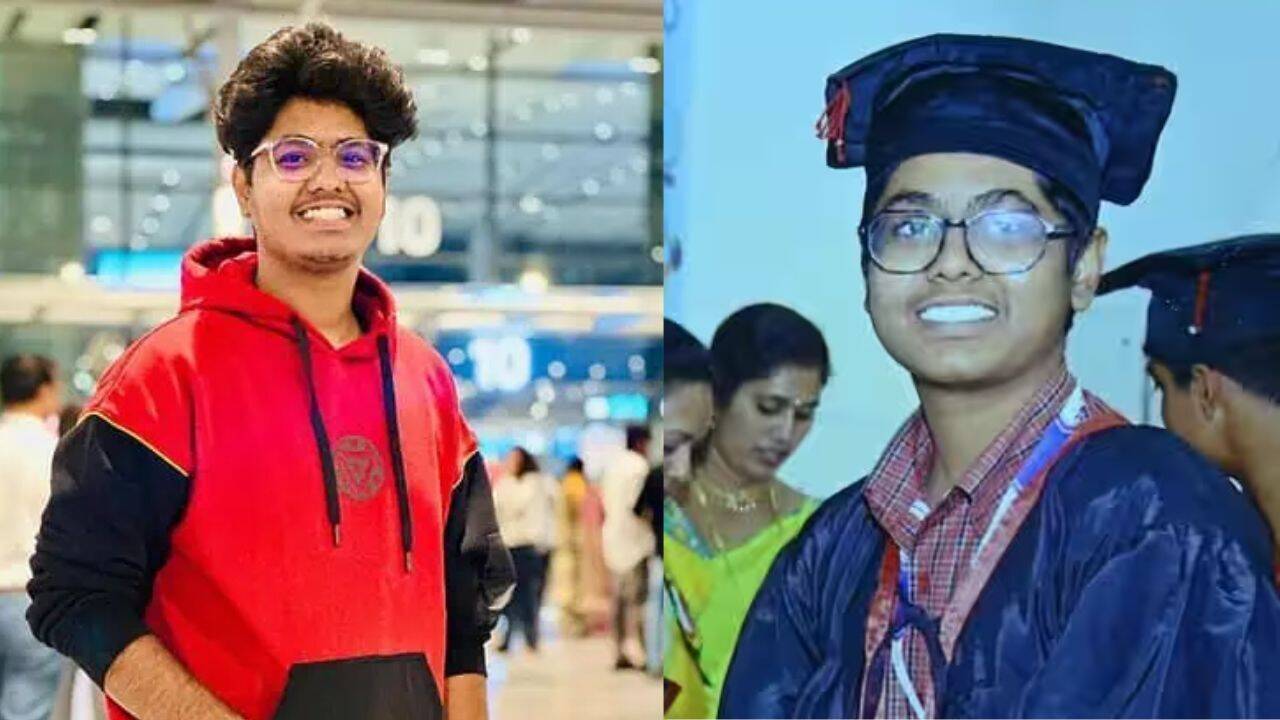
Finnish authorities officially declared Manideep Reddy Gujja dead after his disappearance in May. An unidentified body recovered from the sea was identified through fingerprint analysis. The recovered wallet contained Manideep's identity card and his mother's credit card. Finnish police found no evidence of criminal activity in the case. The family has requested an independent investigation into the circumstances.
Tragedy in Finland: The Mysterious Death of Manideep Reddy Gujja
The sudden and tragic death of Manideep Reddy Gujja, a student from Hyderabad, India, has sent shockwaves through his home community and highlighted the vulnerabilities of international students studying abroad. After a period of disappearance that began in May, Finnish authorities have officially confirmed his passing following the recovery of an unidentified body from the sea. This event underscores the profound emotional and psychological toll that such unexpected losses take on families separated by thousands of miles, leaving them to grapple with grief compounded by a lack of immediate answers.
Forensic Identification and Evidence
The process of identification in this case relied heavily on forensic science. Because the body was recovered from the sea, visual identification was likely impossible, necessitating the use of fingerprint analysis to confirm the identity of the deceased. The discovery of Manideep's wallet, which contained both his identity card and his mother's credit card, provided critical physical evidence that linked the remains to the missing student. These personal effects serve as a poignant reminder of the connection between the student and his family, while also providing the police with the necessary leads to close the identification phase of the investigation.
The Conflict Between Official Findings and Family Grief
A significant point of tension has emerged between the conclusions of the Finnish police and the expectations of the Gujja family. The local authorities have stated that there is no evidence of criminal activity, suggesting that the death may have been an accident or a result of personal crisis. However, the family has formally requested an independent investigation. This discrepancy is common in international death cases, where the legal standards for 'criminal activity' in a foreign jurisdiction may not satisfy the family's need for a comprehensive understanding of the events leading up to the tragedy.
Analyzing the Warning Signs
One of the most distressing details of the case is the report that Manideep had asked his mother for Rs 6,000 shortly before his death. In the context of an international student's life, such a request can be interpreted in multiple ways—ranging from a routine financial need to a sign of acute financial distress or mental instability. When coupled with a sudden disappearance, these small financial interactions often become focal points for families trying to reconstruct the final days of their loved ones, searching for clues that might have been overlooked by official investigators.
The Broader Context of International Student Welfare
This incident reflects a broader, systemic challenge facing the thousands of Indian students who migrate to Nordic countries like Finland for higher education. While these nations offer world-class education, the cultural shift, extreme climate, and potential social isolation can lead to severe mental health struggles. The pressure to succeed academically while managing financial burdens often creates a 'silent crisis.' Manideep's case serves as a cautionary example of the need for more robust psychological support systems and closer monitoring of student well-being by both the host universities and the diplomatic missions of the home country.
Conclusion and the Path to Closure
In summary, while the Finnish police have ruled out foul play, the narrative of Manideep Reddy Gujja's death remains shrouded in mystery for those who knew him best. The quest for an independent probe is not merely a legal pursuit but a search for emotional closure. As more students venture abroad, this case emphasizes the critical importance of maintaining open communication between students and their families and the necessity for international cooperation in conducting transparent investigations into the deaths of foreign nationals.