ICC announces major revamp of ODI and T20 World Cup formats
Source Entity
The Indian Express
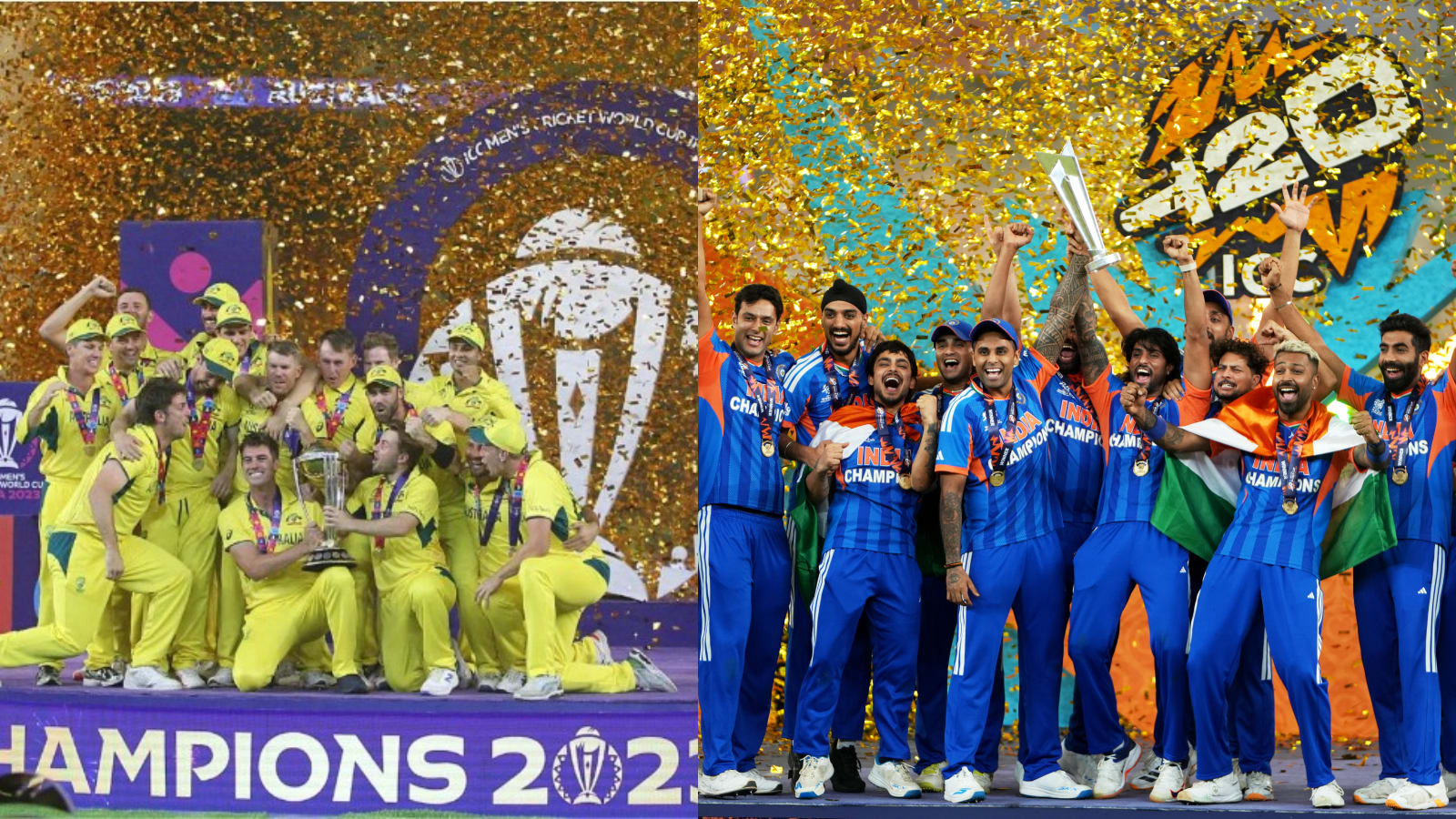
The International Cricket Council (ICC) has approved a comprehensive restructuring of the men's ODI and T20 World Cup formats to modernize the global tournament system and enhance competitiveness.
The Evolution of Global Cricket: Analyzing the ICC's Format Overhaul
The International Cricket Council (ICC) has announced a pivotal shift in the architecture of international cricket by approving a comprehensive revamp of the men’s ODI and T20 World Cup formats. This move represents more than a simple scheduling change; it is a strategic realignment designed to modernize the sport's most prestigious tournaments. By altering the structure of these events, the ICC aims to increase the intensity of competition, maximize commercial viability, and ensure that the global tournament cycle remains relevant in an era dominated by franchise-based T20 leagues.
Strategic Drivers and Competitive Balance
The primary driver behind this overhaul is the need for a more meritocratic and engaging competitive structure. Historically, World Cup formats have struggled to balance the inclusion of emerging nations with the necessity of high-stakes matches between top-tier teams. By revamping the group stages and knockout progressions, the ICC is likely seeking to eliminate 'dead rubber' matches—games that have no bearing on the final standings—which often plague the early stages of global tournaments. This restructuring ensures that every match carries significant weight, thereby increasing viewership and maintaining high stakes for athletes and fans alike.
Historical Context and the Shift Toward T20 Dominance
To understand the gravity of this decision, one must look at the historical trajectory of the World Cup. The ODI World Cup, once the undisputed pinnacle of the sport, has faced increasing pressure as the T20 format exploded in popularity following the inaugural 2007 T20 World Cup. The ICC's decision to revamp both formats simultaneously suggests an acknowledgment that the two versions of the game now coexist in a symbiotic but competitive relationship. While the ODI format provides the traditional prestige and endurance test, the T20 format offers the explosive energy required to attract younger demographics and new markets, such as the United States and other non-traditional cricket regions.
Commercial Implications and Global Expansion
From a business perspective, a revamped format typically translates to an increased number of high-profile fixtures, which is a goldmine for broadcasting rights and sponsorships. By optimizing the tournament structure, the ICC can offer broadcasters more predictable and high-value match-ups. Furthermore, these changes are often designed to provide more opportunities for Associate members to compete against Full members. Expanding the reach of the World Cups is essential for the ICC's broader goal of globalizing the game, moving it beyond its traditional strongholds in South Asia, England, and Australia to become a truly worldwide sporting phenomenon.
Future Trends: The Balance of Player Workload
Looking ahead, the ICC's overhaul will likely spark a critical conversation regarding player workload management. As tournament formats expand or become more intensive, the physical and mental toll on elite cricketers increases. We can predict a future trend where 'player availability' becomes a central conflict between national boards and the ICC. The success of these new formats will depend heavily on whether the ICC can implement a schedule that maximizes excitement without causing widespread athlete burnout, potentially leading to a more specialized era where players choose to excel in only one or two formats rather than all three.
Conclusion
In summary, the ICC's overhaul of the ODI and T20 World Cup formats is a bold step toward future-proofing the sport. By focusing on competitive integrity, commercial growth, and global inclusivity, the governing body is attempting to stabilize the international calendar against the rising tide of private leagues. While challenges regarding player fatigue remain, the move signals a commitment to ensuring that the World Cup remains the ultimate benchmark of cricketing excellence in a rapidly changing sporting landscape.