'Student Will Be Heard First': IIT Bombay Draft Rules On Cheating In Exam
Source Entity
NDTV News Search Records Found 1000
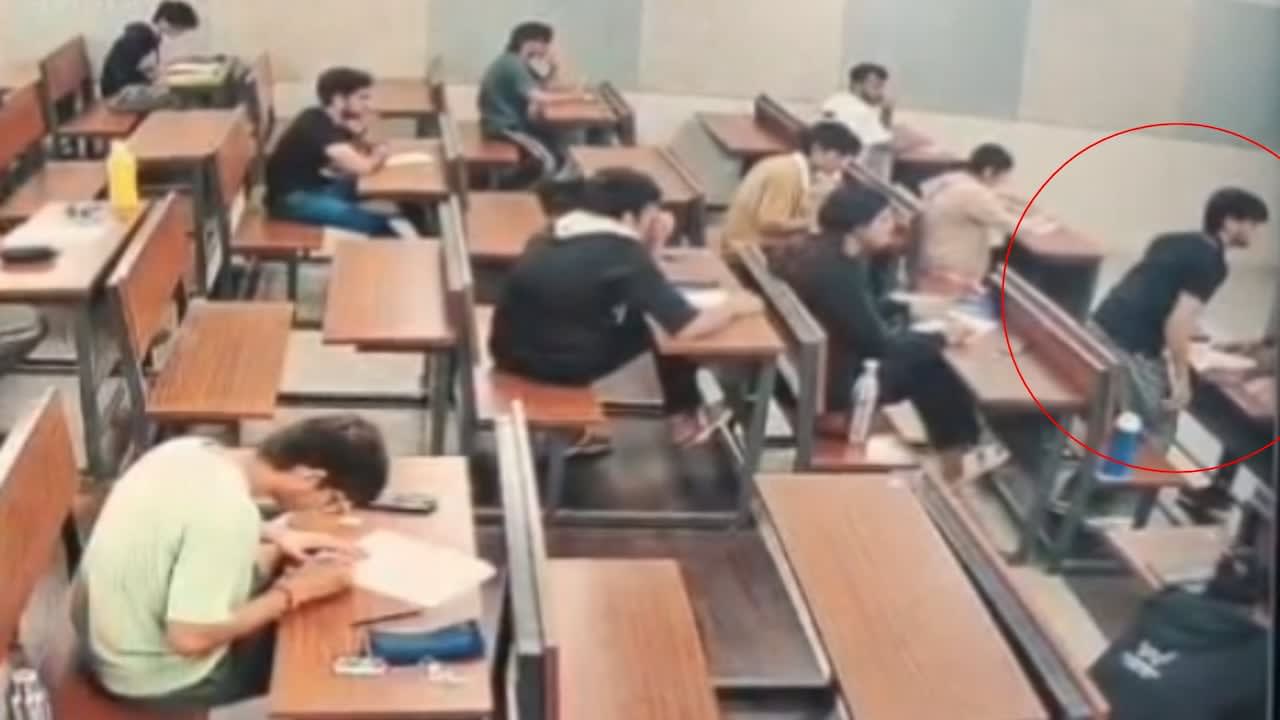
IIT Bombay has reverted to its 2015 examination malpractice rules, ensuring students are heard before disciplinary action is taken. This change follows a committee review prompted by the tragic death of a student on September 18.
IIT Bombay Reforms Disciplinary Procedures Following Student Tragedy
In a significant shift toward fostering a more supportive academic environment, the Indian Institute of Technology (IIT) Bombay has officially decided to revert to its 2015 disciplinary protocols regarding examination malpractice. This decision follows a period of intense institutional reflection triggered by the tragic death of a student on September 18, which prompted the formation of a special committee to review the fairness and efficacy of existing administrative procedures.
The Shift from Automatic Suspension
Under the rules introduced in 2026, the institute had implemented a stringent policy where students found using unfair means during examinations were subject to an immediate 'FR2' grade and a mandatory one-semester academic suspension. Critics and student advocates argued that such rigid, automatic penalties often failed to account for the complex pressures faced by students, potentially exacerbating mental health struggles in high-stress environments.
Prioritizing Due Process
The decision to restore the 2015 guidelines represents a fundamental change in philosophy, shifting the focus from punitive measures to due process. Under the restored rules, students accused of malpractice will now be afforded a formal opportunity to present their perspective and explain their side of the story before any disciplinary action is initiated. This shift ensures that the human element is considered in administrative decision-making, moving away from a strictly algorithmic or automated approach to discipline.
The Role of Institutional Review
This policy overhaul was spearheaded by a committee specifically appointed by the institute to examine the aftermath of the September 18 incident. By reviewing the existing procedure, the committee identified that the lack of a hearing mechanism for students accused of cheating was a major point of contention. The Senate’s move to adopt these recommendations during an emergency meeting highlights the institute's commitment to adapting its governance to better serve the student body.
Broader Implications for Academic Integrity
While the return to 2015 rules prioritizes student welfare, it also maintains the institute's mandate to uphold academic integrity. By allowing for a hearing, the process becomes more transparent and equitable. The focus is no longer solely on the immediate imposition of an FR2 grade, but rather on a nuanced investigation that determines the context of the alleged incident. This balance is critical for maintaining academic standards while ensuring the psychological well-being of students in an intensely competitive environment.
Future Trends in Institutional Governance
Looking forward, this development at IIT Bombay signals a potential trend among top-tier academic institutions in India toward more empathetic disciplinary frameworks. By integrating student voices and institutional review committees into the policy-making process, universities are better positioned to prevent the alienation of students. This proactive approach to governance is likely to serve as a benchmark for other technical institutions facing similar challenges regarding student welfare and academic pressure.
Verification Required?