IIT Bombay student’s death: Rahul Gandhi speaks to Sahil Wakode’s parents
Source Entity
The Indian Express
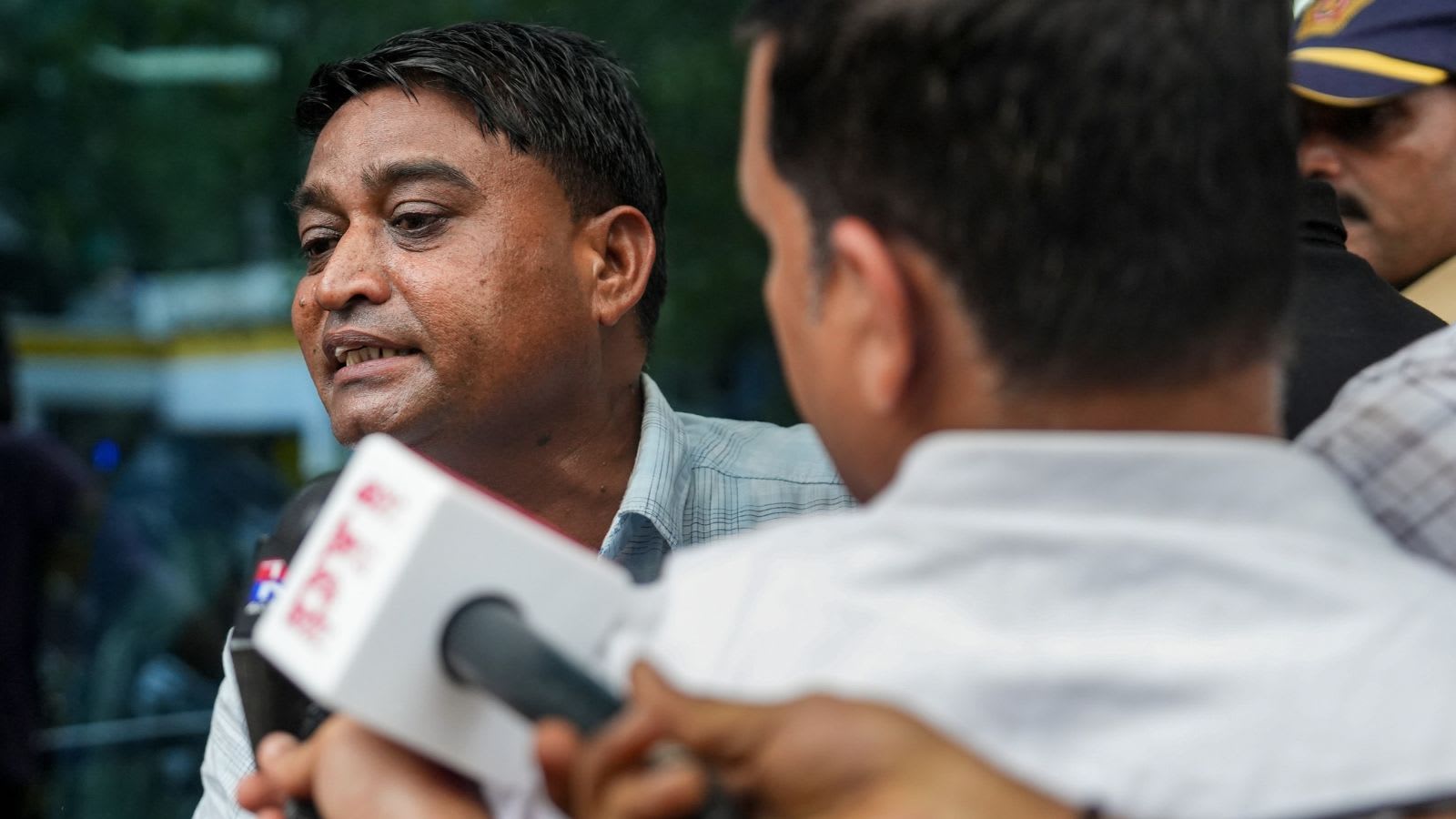
The recent student suicide at IIT Bombay, following allegations of academic misconduct via AI, has ignited a critical debate on institutional support systems. The institute is now reviewing disciplinary procedures and mentorship protocols to better address student mental health and academic pressures.
The Tragedy at IIT Bombay: Addressing Systemic Pressures and Institutional Reform
The recent death of a second-year student at the Indian Institute of Technology (IIT) Bombay has sent shockwaves through the academic community, prompting urgent questions regarding the intersection of academic integrity, mental health, and institutional support. Following the discovery that the student had utilized an AI platform to seek answers during an examination, the incident has highlighted the immense pressure placed on students within high-stakes academic environments.
The Intersection of Academic Policy and Student Welfare
While the institute has clarified that no formal disciplinary action was initiated prior to the tragic event, the incident has brought the administration's investigative procedures into sharp focus. The incident follows another suicide at the same hostel on July 28, amplifying student demands for a comprehensive investigation into the campus environment. Critics argue that the current culture at elite institutions often overlooks the psychological toll of rigorous academic demands, especially when compounded by social and economic disparities.
Rethinking Disciplinary Frameworks
In response to these events, IIT Bombay has formed a committee tasked with overhauling the Standard Operating Procedures (SOPs) for handling suspected academic misconduct. Proposed reforms include mandating that students have access to mentors before disciplinary actions are finalized and ensuring that the consequences of exam malpractice are clearly outlined on answer sheets. These measures aim to shift the focus from purely punitive actions to a more supportive, student-centric approach.
The Complexity of Privilege and Inclusion
Beyond the immediate disciplinary reforms, the conversation surrounding these suicides touches upon the sensitive issue of caste-based discrimination and social integration at premier institutes. Many observers argue that the academic environment is heavily skewed toward English-speakers and those from privileged backgrounds, creating an invisible barrier for students from Scheduled Castes and Scheduled Tribes. While data on suicides does not always confirm a clear statistical pattern, anecdotal evidence suggests that the 'adjustment' process is significantly more difficult for students from diverse socio-economic backgrounds.
Balancing Integrity with Empathy
There is a consensus that maintaining academic integrity is non-negotiable; allowing differential standards for exam conduct would be counterproductive. However, the tragedy underscores that the enforcement of these standards must not be detached from the human element. The goal of the new committee is to find a balance where academic rigour is maintained without fostering an environment of fear that exacerbates mental health struggles.
Future Trends and Institutional Accountability
Moving forward, the success of these new SOPs will depend on their implementation and the willingness of the administration to foster a culture of open communication. As IIT Bombay reviews its policies, it sets a precedent for other elite technical institutions in India to evaluate how they balance the demands of excellence with the imperative of student well-being. The demand for a probe into these systemic issues suggests that the student body is increasingly focused on institutional accountability as a necessary pillar of higher education.
Multiple Citing Sources