Dipke seeks ‘complete overhaul’ of education system after IIT student's suicide: ‘If this is the situation…'
Source Entity
Latest News: Todays Latest News Headlines from India & World | Hindustan Times | Hindustan Times
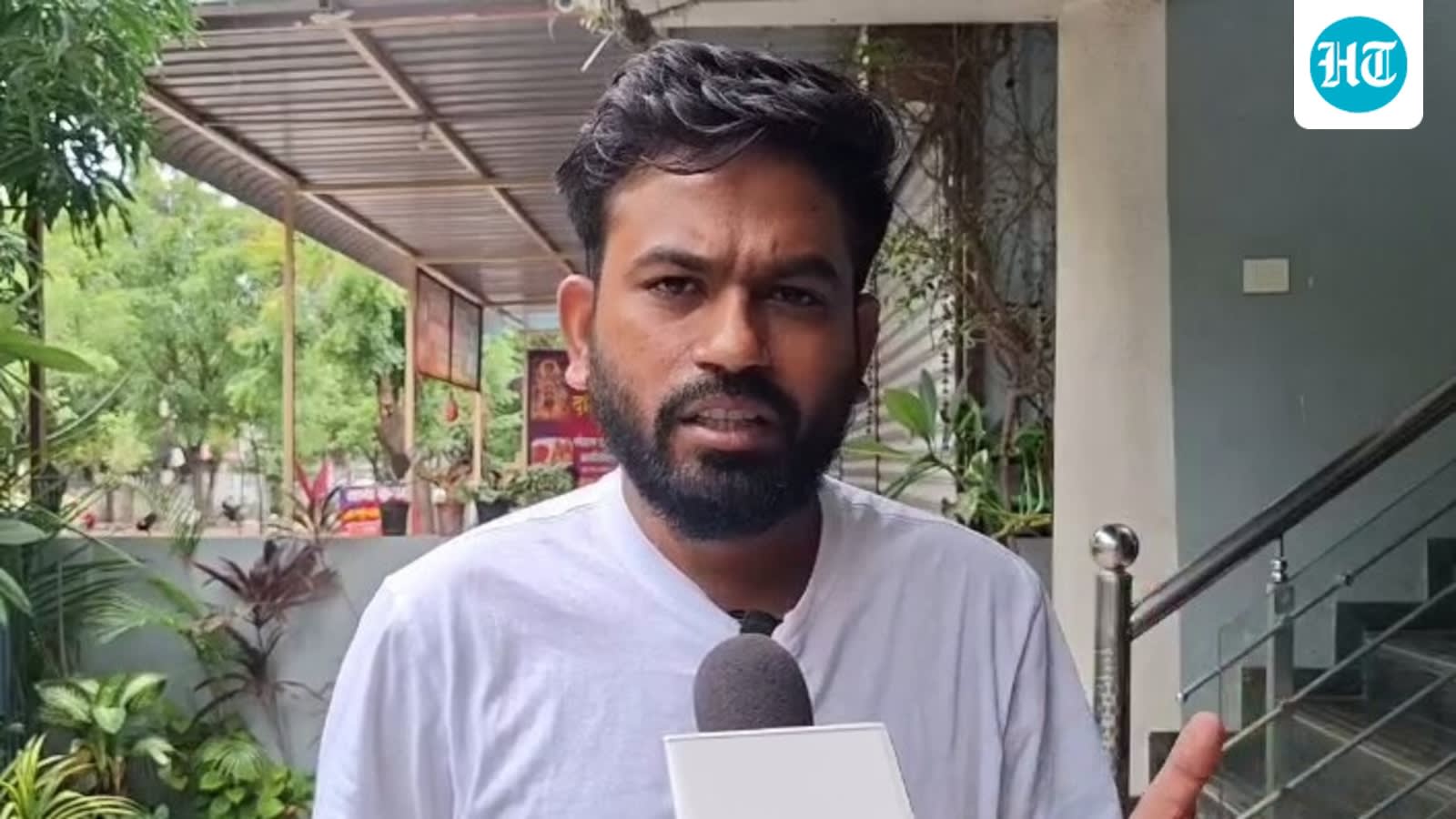
IIT campuses are witnessing a diverse discourse ranging from the social complexities of privilege and elitism to the critical need for systemic accessibility reforms. Meanwhile, student-led protests at IIT Delhi continue as demands for a broader inquiry into a recent student suicide intensify.
The Evolving Discourse Within India's Premier Technical Institutes
The Indian Institutes of Technology (IITs) have long occupied a central position in the nation’s academic and social consciousness. However, recent developments across various campuses reveal a multifaceted evolution in how these institutions interact with social perception, inclusivity, and institutional accountability. From debates on the performance of 'privilege' to the structural necessity of disability-inclusive curricula and the gravity of student safety, the IIT ecosystem is currently a microcosm of broader societal shifts.
The Performance of Privilege and Academic Identity
Akash Sampurnanand Pandey’s recent commentary on the 'stealth flex' and the deliberate downplaying of the IIT brand highlights a complex social anxiety. By arguing that graduates often hide their credentials to avoid being perceived as elitist or to manage external expectations, Pandey touches upon the psychological burden of elite status. This behavior reveals a tension between the prestige associated with these institutions and the social desire to fit in, suggesting that for many, the 'IIT tag' is as much a social label as it is an academic one.
Expanding the Definition of Accessibility
Beyond social branding, the conversation at IIT Madras, led by Dr. Hemachandran Karah and the Accessibility Research Centre (ARC), signals a critical shift in how accessibility is understood. While physical infrastructure like ramps and wheelchairs remains fundamental, the push to reform academic disciplines themselves to accommodate students with disabilities represents a more profound, intellectual commitment to inclusivity. This move acknowledges that true accessibility is not merely about entering a building, but about ensuring that the curriculum and pedagogy do not systematically disadvantage students with diverse needs.
Institutional Accountability and Student Welfare
Perhaps the most urgent narrative currently unfolding is at IIT Delhi, where the student body is actively challenging administrative processes following the tragic death of an MSc student. The ongoing protests, which have persisted despite the reconstitution of an external inquiry panel led by a retired High Court judge, underscore a growing demand for transparency. Students are no longer satisfied with internal reviews; they are insisting that the terms of reference be expanded to address specific, serious allegations made by the victim’s family, highlighting a significant friction between student expectations and administrative protocols.
Broader Implications and Future Trends
These three distinct threads—social identity, pedagogical inclusivity, and institutional accountability—paint a picture of an academic system under pressure. The trend suggests that students are increasingly leveraging their collective voice to demand that the 'IIT' brand stands for more than just academic rigor. Whether it is the demand for a more empathetic social culture, a deeper commitment to accessibility, or a rigorous pursuit of justice, the discourse indicates a maturation of the student body.
Conclusion
As these prestigious institutions navigate the complexities of the 21st century, the ability to address these internal challenges will define their future legacy. The tension between the elite status of these schools and the human realities of their students and faculty is now at the forefront of the public conversation. Moving forward, the success of these institutions will likely depend on their capacity to balance their historical reputation with a modern, inclusive, and highly transparent governance model.
Verification Required?