From 6th-Gen Fighters To AI: 15 Biggest Takeaways From NDTV Defence Summit
Source Entity
NDTV News Search Records Found 1000
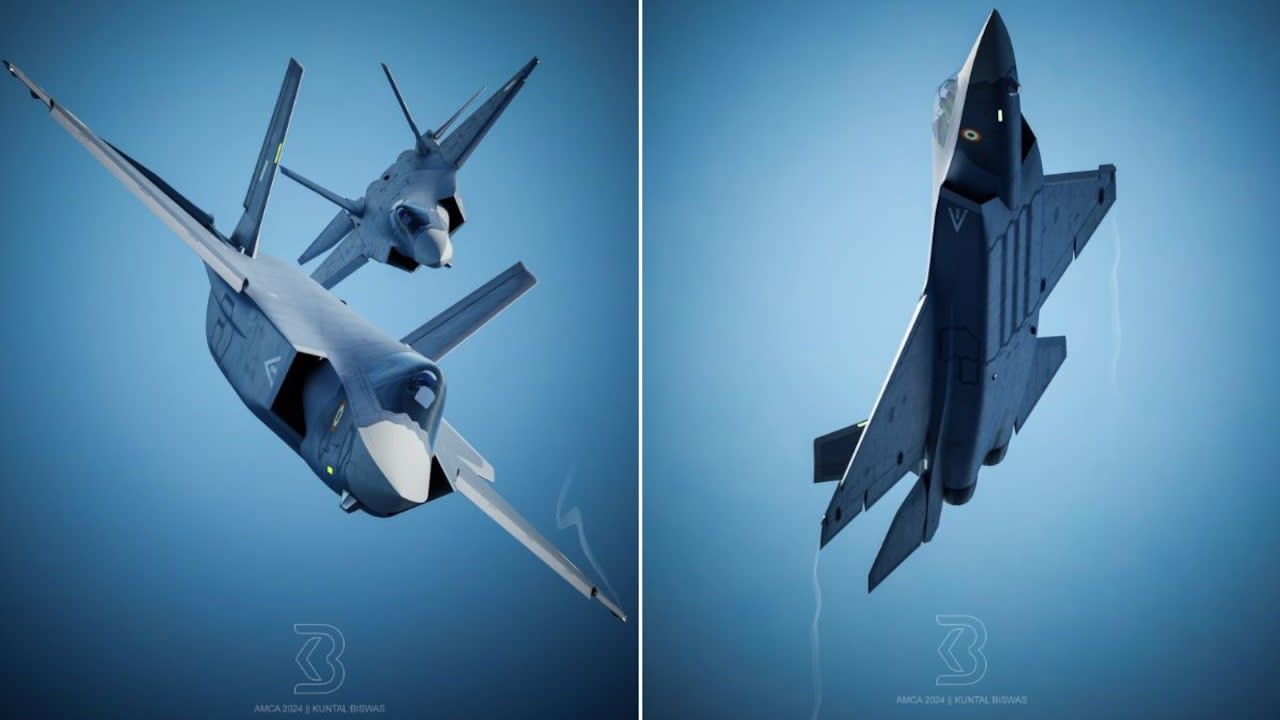
India's AMCA stealth fighter project remains a national priority, with the first prototype flight scheduled for September 2028. Defence officials have clarified that HAL's recent bid rejection was due to routine technicalities, while the country explores AI to enhance its stealth capabilities.
India's Strategic Pivot: The AMCA Program and Future Air Dominance
A National Priority: The AMCA Initiative
The Advanced Medium Combat Aircraft (AMCA) project has been officially reaffirmed as a cornerstone of India’s national defence strategy. As discussed at the NDTV Defence Summit, the Ministry of Defence considers this fifth-generation stealth fighter essential to modernizing the Indian Air Force. By prioritizing indigenous development, India aims to reduce reliance on foreign platforms and cultivate a self-reliant aerospace ecosystem that can compete with global powers.
Addressing the HAL Bid Rejection
Recent news regarding the rejection of Hindustan Aeronautics Limited (HAL)’s bid to manufacture the stealth jet has caused concern, but Defence Secretary RK Singh has clarified that the decision was based on "routine technical grounds." Such procedural hurdles are common in complex, multi-billion dollar defence procurement cycles. This setback does not signal a lack of faith in HAL’s capabilities, but rather emphasizes the rigorous oversight required for a project of this technological magnitude.
The Path to 2028
With the first prototype of the AMCA slated to take flight in September 2028, the timeline provides a clear roadmap for stakeholders. This milestone will serve as the litmus test for India’s domestic design and manufacturing prowess. Successfully meeting this target date will not only validate the research and development efforts of the last decade but also set the stage for the mass production of a platform capable of countering contemporary aerial threats.
Bridging Stealth Gaps with Artificial Intelligence
As the development of the AMCA progresses, India is simultaneously exploring advanced technological solutions to bridge current stealth gaps. The Defence Secretary noted that India is leaning on AI-driven networks to enhance its existing aerial assets. By integrating AI into combat systems, the Indian Air Force can optimize situational awareness and tactical decision-making, effectively creating a 'force multiplier' effect even before the full induction of the AMCA.
Evaluating International Partnerships
While India continues to evaluate various international platforms, including the Russian Sukhoi-57, it has maintained a cautious stance. The confirmation that no final decision has been made regarding the Su-57 highlights a strategic preference for maintaining technical independence. By keeping its options open, India preserves its leverage in negotiations while ensuring that any procurement aligns perfectly with the overarching goal of indigenous stealth superiority.
Conclusion: A Strategic Outlook
The path forward for India’s aerial defence is clearly defined by a dual approach: long-term indigenous development through the AMCA program and short-term tactical upgrades via AI. While bureaucratic and technical challenges persist, the commitment from the highest levels of the Defence Ministry suggests a steady trajectory toward achieving a robust, modern, and technologically advanced fighter fleet by the end of the decade.
Verification Required?