Why Team India player was penalised after Women's Asia Cup final
Source Entity
AMIT KUMAR
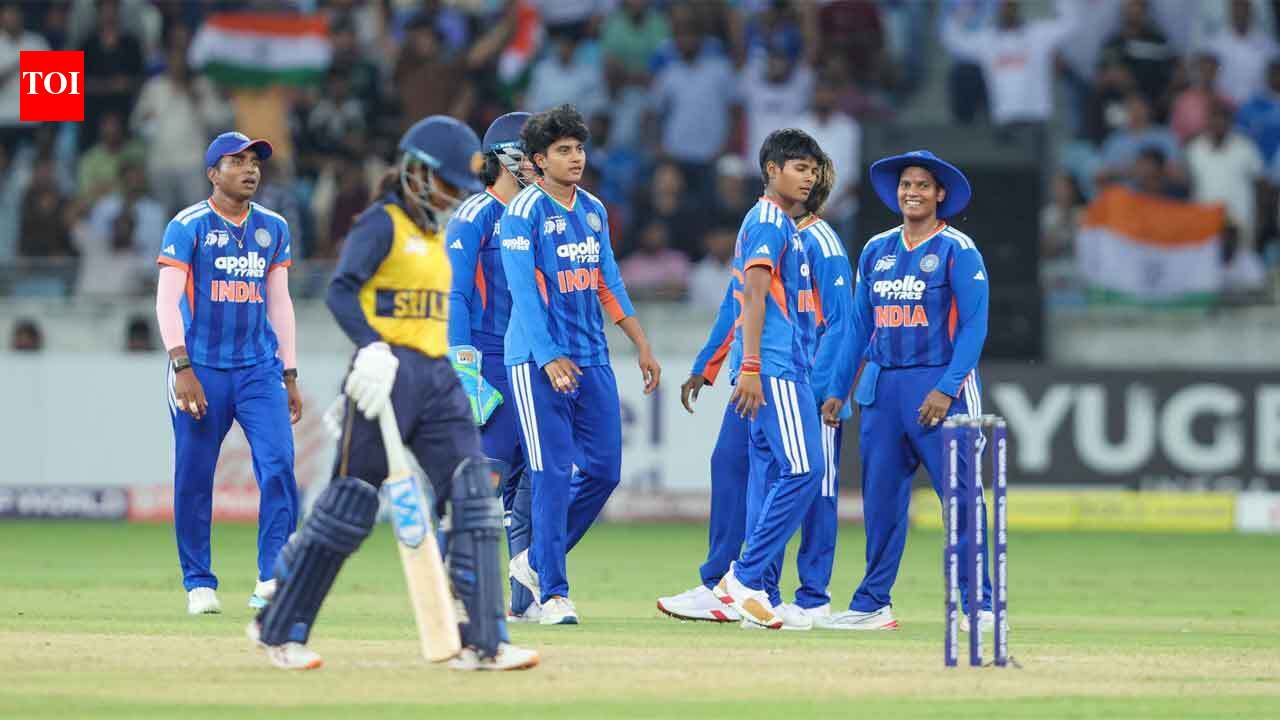
The Indian cricket teams have initiated a diplomatic protest by refusing to accept Asia Cup trophies from ACC President Mohsin Naqvi. This stance, stemming from solidarity with victims of the Pahalgam terror attack, has drawn mixed reactions, including a dismissive comment from cricket legend Kapil Dev.
The Diplomatic Standoff: India’s Asia Cup Protest Explained
A Pattern of Protest
In a move that has sent ripples through the cricketing world, both the Indian men’s and women’s national cricket teams have refused to accept the Asia Cup trophy from Asian Cricket Council (ACC) President Mohsin Naqvi. This calculated act of dissent, which occurred following their respective victories in 2025 and 2026 in Dubai, represents a significant escalation in the ongoing tensions between the Board of Control for Cricket in India (BCCI) and the current leadership of the ACC.
Origins of the Stance
The roots of this protest trace back to the aftermath of the Pahalgam terror attack, which was linked to Pakistan. In a show of solidarity with the victims, the Indian men’s team, led by Suryakumar Yadav, declined to participate in the traditional podium ceremony last year. This was not an isolated incident; the team also refused to engage in traditional handshakes with their Pakistani counterparts during the tournament, a policy that has been maintained across subsequent International Cricket Council (ICC) fixtures.
The BCCI’s Official Position
BCCI official Devajit Saikia has publicly questioned the ACC’s decision-making regarding the trophy presentation protocols. The BCCI argues that the 'drastic' changes to the presentation norms were ill-conceived and has formally noted their requests for an alternative handover process. By bypassing the ACC President during the trophy ceremony, the BCCI is signaling a deep-seated dissatisfaction with the current administrative handling of the Asia Cup.
Reactions from the Cricket Fraternity
The controversy has polarized opinions within the sporting community. Kapil Dev, the legendary captain who led India to their historic 1983 World Cup victory, offered a notably dismissive reaction to the women’s team's refusal to accept the trophy. Speaking on the sidelines of the Nava Raipur Open 2026 golf tournament, where he serves as the President of the Professional Golf Tour of India, Dev suggested that the focus should remain on the game rather than administrative politics, stating, “Tell all of them to play golf.”
Competitive Context: India vs. Sri Lanka
Amidst this political backdrop, the actual cricket has remained highly competitive. The Women’s Asia Cup has evolved significantly, yet the rivalry between India and Sri Lanka remains a cornerstone of the tournament. After a 14-year hiatus from meeting in a summit clash, the two nations have met in three successive finals since 2022. While India dominated in 2022, Sri Lanka claimed a maiden title in 2024, setting the stage for the intense 2026 final where India ultimately reclaimed the trophy.
Future Implications
This impasse suggests a complex future for continental cricket governance. The refusal to engage in traditional ceremonial norms indicates that the BCCI is willing to leverage its immense influence to express political and moral stances on the international stage. As these two narratives—the sporting rivalry and the administrative boycott—continue to intertwine, the ACC faces the daunting task of reconciling its leadership with its most powerful member board to ensure the future stability of the Asia Cup.
Multiple Citing Sources