The real win at the Asian Games
Source Entity
Latest News: Todays Latest News Headlines from India & World | Hindustan Times | Hindustan Times
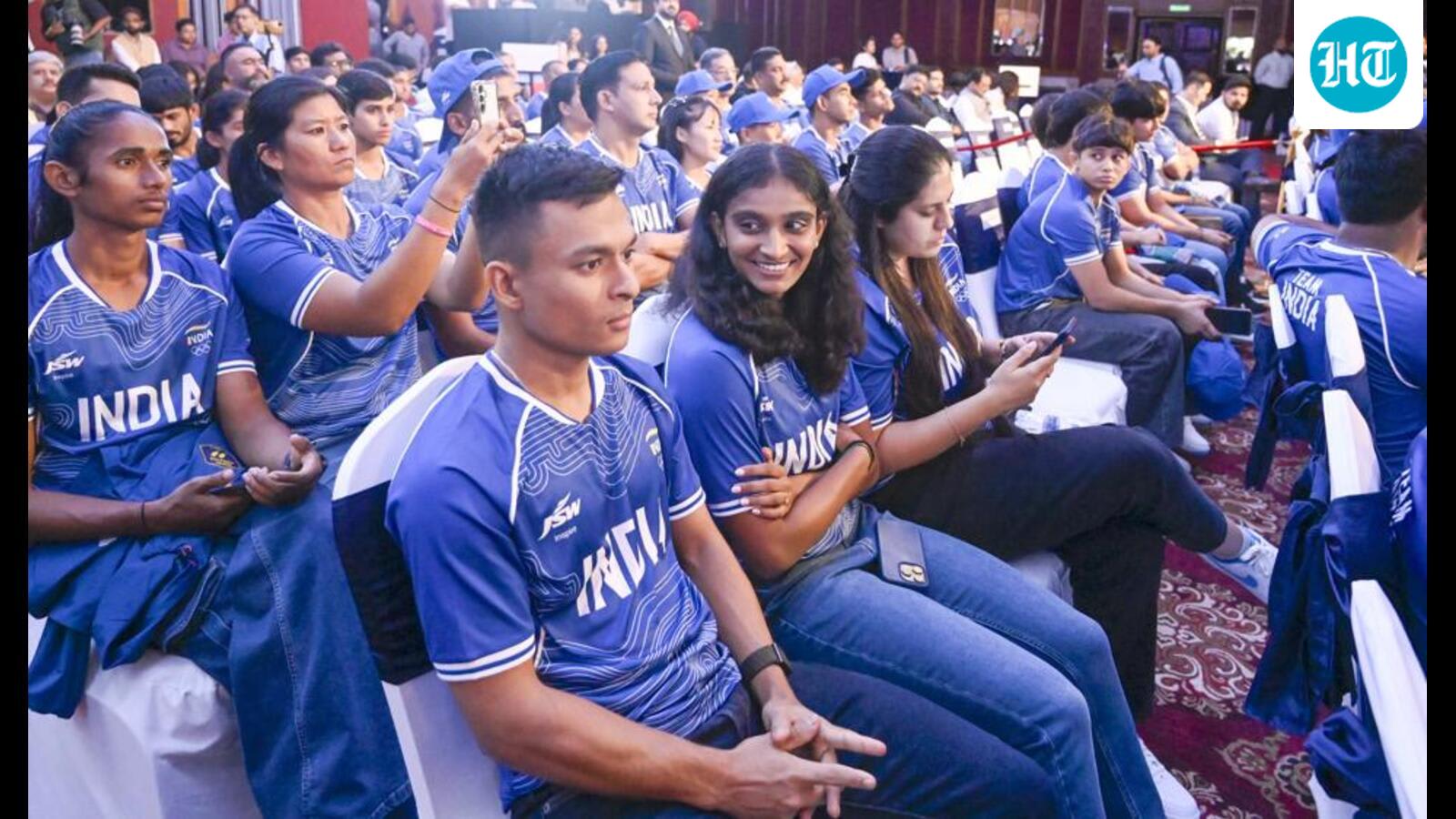
India's 503-strong contingent faces a mix of high expectations for the 2026 Asian Games and early logistical challenges in Japan. Success in Aichi-Nagoya is seen as a critical barometer for India's 2036 Olympic ambitions and the growth of diverse sporting disciplines.
India's Sporting Ambitions at Aichi-Nagoya 2026
The commencement of the 2026 Asian Games in Aichi-Nagoya, Japan, marks a pivotal moment for Indian athletics. With a robust contingent of 503 athletes, the nation is looking beyond mere participation, aiming to solidify its status as a rising global sports power. This performance is widely viewed as a critical litmus test for India's long-term aspirations, specifically its potential 2036 Olympic bid, which hinges on the International Olympic Committee’s requirement for a nation to possess a depth of world-class, homegrown talent.
Navigating Logistical Hurdles
Despite the grand ambitions, the Indian squad’s arrival in Japan has been marred by significant logistical friction. Reports indicate that athletes in rowing and shooting faced immediate setbacks, including missing registration credentials and a lack of confirmed accommodation. Furthermore, the rowing team suffered from delays in receiving essential equipment, specifically oars, while the shooting squad saw their coach, Samaresh Jung, face accreditation issues that restricted his ability to support the team. These early-stage administrative failures highlight the complexities of managing a large-scale international delegation.
Diversity in Competition
Beyond the traditional medal-heavy sports, the 2026 Games serve as a gateway for Indian athletes to engage with a wider variety of disciplines. The inclusion of unique sports like Teqball, which blends football and table tennis; Kurash, a standing wrestling discipline; and the high-intensity sport of Sepak Takraw—often described as football on a volleyball court—demonstrates a shift toward diversifying India's athletic portfolio. Additionally, India’s participation in Soft Tennis and the multifaceted disciplines of Sport Climbing (Speed, Boulder, and Lead) signals an effort to compete across the entire spectrum of Asian sporting culture.
The Road to 2028 and Beyond
For millions of Indian fans, the appetite for success has grown significantly following performances in the previous two Olympic cycles. The mindset has shifted from simply qualifying for the national squad to expecting podium finishes. By observing how Indian athletes adapt to these varied and unfamiliar disciplines in Japan, administrators can better gauge the readiness of the country’s sports infrastructure for the 2028 Olympic Games. The ability to perform under pressure in Aichi-Nagoya will serve as a vital data point for future investment and training strategies.
Strategic Implications for 2036
The ultimate goal of this journey is the 2036 Olympic bid. The International Olympic Committee (IOC) requires host nations to demonstrate a mature sporting ecosystem. A successful showing at the Asian Games not only builds national morale but also provides the necessary evidence that India can organize, support, and produce athletes capable of competing at the highest levels. If India can overcome its early administrative hurdles in Japan and secure a strong medal count, it will significantly bolster the credibility of its Olympic hosting ambitions.
Conclusion
As the Asian Games progress, the focus will remain on whether India can translate its diverse talent pool and high expectations into tangible results. While the initial logistical challenges in Aichi-Nagoya were a setback, the broader narrative remains one of growth and strategic positioning. The performance of the 503-member team will ultimately serve as the foundation upon which India builds its case for future global sporting dominance.
Multiple Citing Sources
Verification Required?