‘India has made enough overtures… Now it’s up to Bangladesh’: Former Indian High Commissioner to Bangladesh
Source Entity
Shubhajit Roy
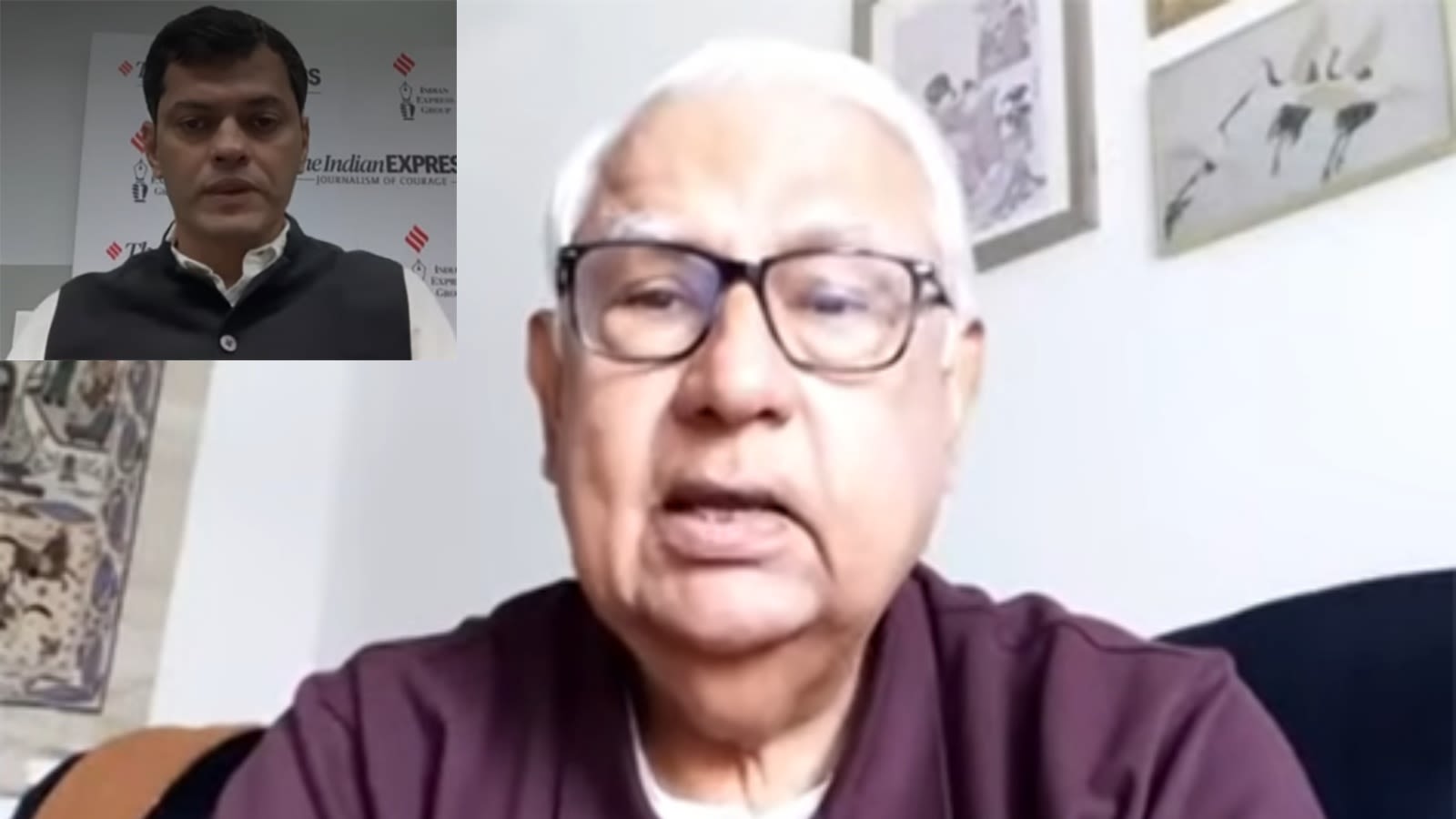
Former High Commissioner Pinak Ranjan Chakravarty emphasizes that India has extended sufficient diplomatic efforts toward Bangladesh. He highlights ongoing regional instability and concerns regarding governance, suggesting the onus for stabilizing ties now rests with Dhaka.
The Shifting Landscape of India-Bangladesh Relations
The bilateral relationship between India and Bangladesh, spanning a massive 4,096 km border and involving a population of nearly 180 million, is currently experiencing a period of significant geopolitical turbulence. Pinak Ranjan Chakravarty, a former Indian High Commissioner to Bangladesh, recently articulated that India has exhausted its initial diplomatic overtures, signaling a strategic pause as New Delhi assesses the volatility in its neighbor's internal affairs.
Historical Context and Persistent Volatility
To understand the current friction, one must look at the historical patterns of instability that have plagued Bangladesh since its inception. Chakravarty highlights the 1975 assassination of Sheikh Mujibur Rahman as a foundational moment of political trauma that set a precedent for periodic unrest. This history of upheaval continues to influence contemporary politics, as the nation grapples with shifting power dynamics that affect regional security and border management.
Criticisms of Recent Governance
Chakravarty’s analysis serves as a harsh critique of the recent interim leadership under Muhammad Yunus, characterizing the tenure as disastrous. By pointing to the release of individuals categorized as criminals and terrorists, alongside the documented suffering of minority communities, he underscores the humanitarian and security concerns that India must navigate. These developments suggest a breakdown in the rule of law that naturally complicates diplomatic engagement.
The Role of External Influence
A central concern raised in the dialogue is the alleged influence of the Jamaat-e-Islami over the student-led movements that have recently reshaped the political landscape. By suggesting that these movements were co-opted or dictated by ideologically charged entities, the former High Commissioner warns of a shift toward radicalization that threatens the secular fabric of the region. This perceived alignment creates a barrier for India, which has historically prioritized stability and secular governance in its neighborhood policy.
Flawed Electoral Processes and Future Trajectories
The exclusion of the Awami League from recent electoral processes is identified as a critical failure in democratic legitimacy. For New Delhi, the lack of an inclusive, competitive political environment makes it difficult to engage in long-term bilateral agreements. The assessment implies that until Bangladesh restores a credible democratic process that respects the participation of all stakeholders, the relationship will remain in a state of 'wait-and-see' diplomacy.
Conclusion: The Onus on Dhaka
Ultimately, the narrative provided by Chakravarty suggests that the ball is firmly in Bangladesh's court. India’s strategic patience is being tested by internal shifts in Dhaka, and future cooperation will likely depend on the interim government's ability to ensure the safety of minorities, curb extremist influence, and restore a functional, inclusive political system. As regional powers watch closely, the trajectory of this relationship will depend on whether Bangladesh can navigate its internal crises without compromising its international commitments.