India needs a China strategy for battery transition, should combine imports with domestic manufacturing: Expert
Source Entity
Latest News: Todays Latest News Headlines from India & World | Hindustan Times
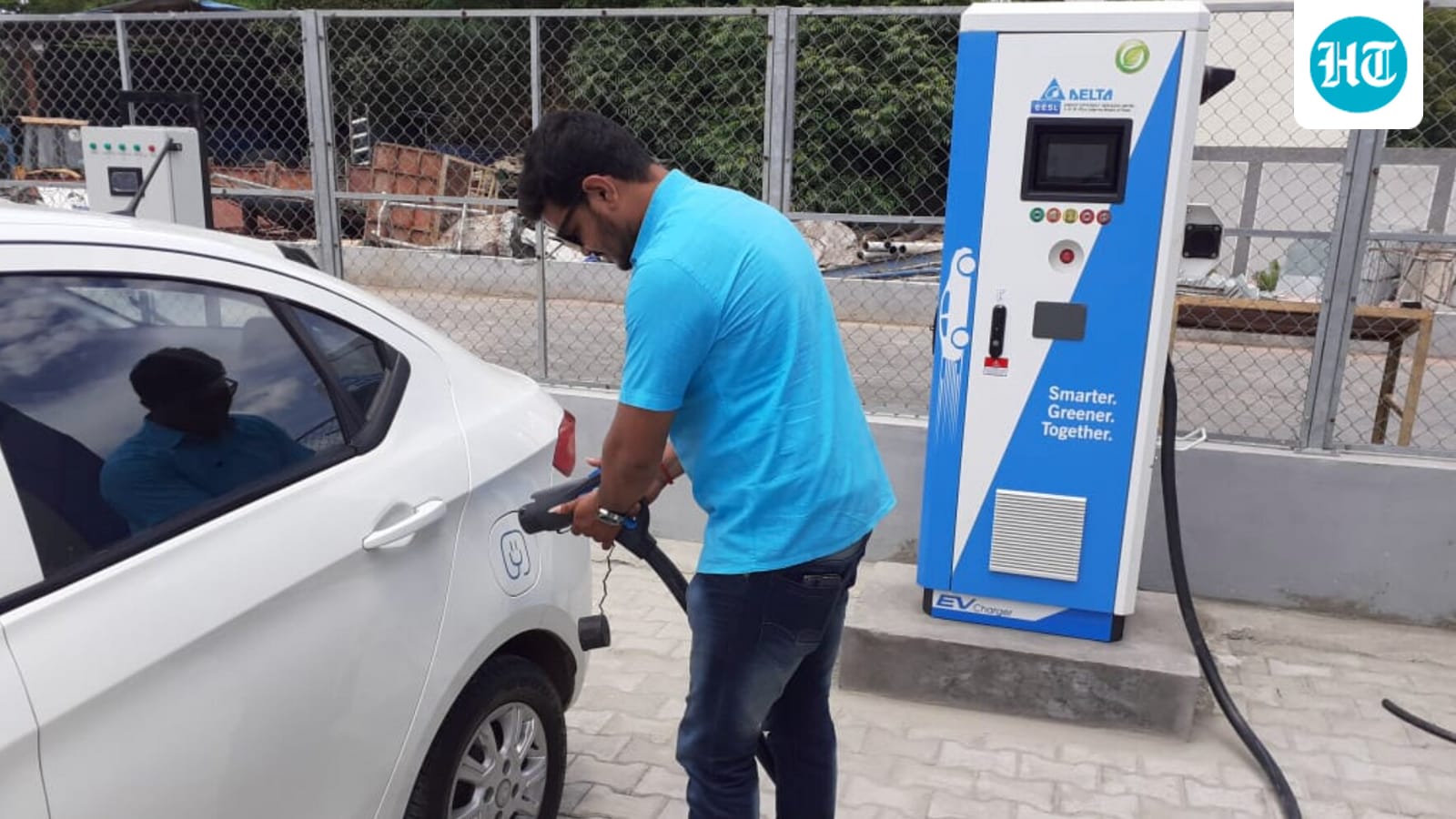
Expert Nikit Abhyankar suggests India must balance reliance on Chinese battery imports with the development of local manufacturing. This hybrid strategy aims to accelerate India's energy transition while building long-term domestic capacity.
Navigating India's Battery Transition Strategy
As India accelerates its commitment to a greener future, the challenge of securing a stable and cost-effective supply chain for energy storage has moved to the forefront of national policy. Nikit Abhyankar, Co-Faculty Director of the India Energy and Climate Centre at the University of California, Berkeley, has proposed a pragmatic dual-track approach: leveraging Chinese expertise in the short term while aggressively scaling domestic manufacturing capabilities.
The Necessity of a Hybrid Approach
The energy transition requires an unprecedented volume of battery storage to manage the intermittency of renewable sources like solar and wind. Abhyankar argues that India cannot afford to wait for a fully mature domestic ecosystem before deploying these technologies. By utilizing established Chinese supply chains in the interim, India can ensure that its grid integration and electric vehicle adoption targets remain on track without being stalled by current domestic production limitations.
Analyzing the Chinese Competitive Edge
China’s current dominance in the global battery market is not accidental; it is the result of years of massive scale, optimized supply chain logistics, and significant cost reduction efforts. Abhyankar highlights that Chinese firms have achieved economies of scale that are currently difficult for emerging markets to replicate overnight. Acknowledging this global reality is essential for Indian policymakers to avoid the pitfalls of protectionist policies that might inadvertently raise costs for local consumers.
Building Domestic Resilience
The long-term objective remains, however, to build a robust "Made in India" battery manufacturing sector. Relying solely on imports creates long-term geopolitical and economic vulnerabilities. The strategic goal is to use the current import window to facilitate the transfer of knowledge, foster local R&D, and incentivize private investment. This involves creating a supportive regulatory environment that encourages the domestic manufacturing of cells, modules, and battery management systems.
Balancing Energy Security and Economic Goals
This transition strategy is ultimately about balancing energy security with economic pragmatism. By integrating short-term imports with a phased transition toward self-reliance, India can mitigate the risk of supply chain shocks while simultaneously nurturing a high-growth industrial sector. This approach ensures that the energy transition serves as a catalyst for economic development rather than a drain on foreign exchange reserves.
Future Outlook
Looking ahead, the success of this strategy will depend on the speed at which India can scale its own infrastructure. The transition from an import-dependent model to a self-reliant powerhouse requires a sustained policy commitment and clear milestones. If executed correctly, India could emerge as a significant player in the global battery market, transforming from a consumer of imported technology to a hub for sustainable energy solutions.
Verification Required?