Election Commission presents united front in face of mounting criticism
Source Entity
Latest News: Todays Latest News Headlines from India & World | Hindustan Times | Hindustan Times
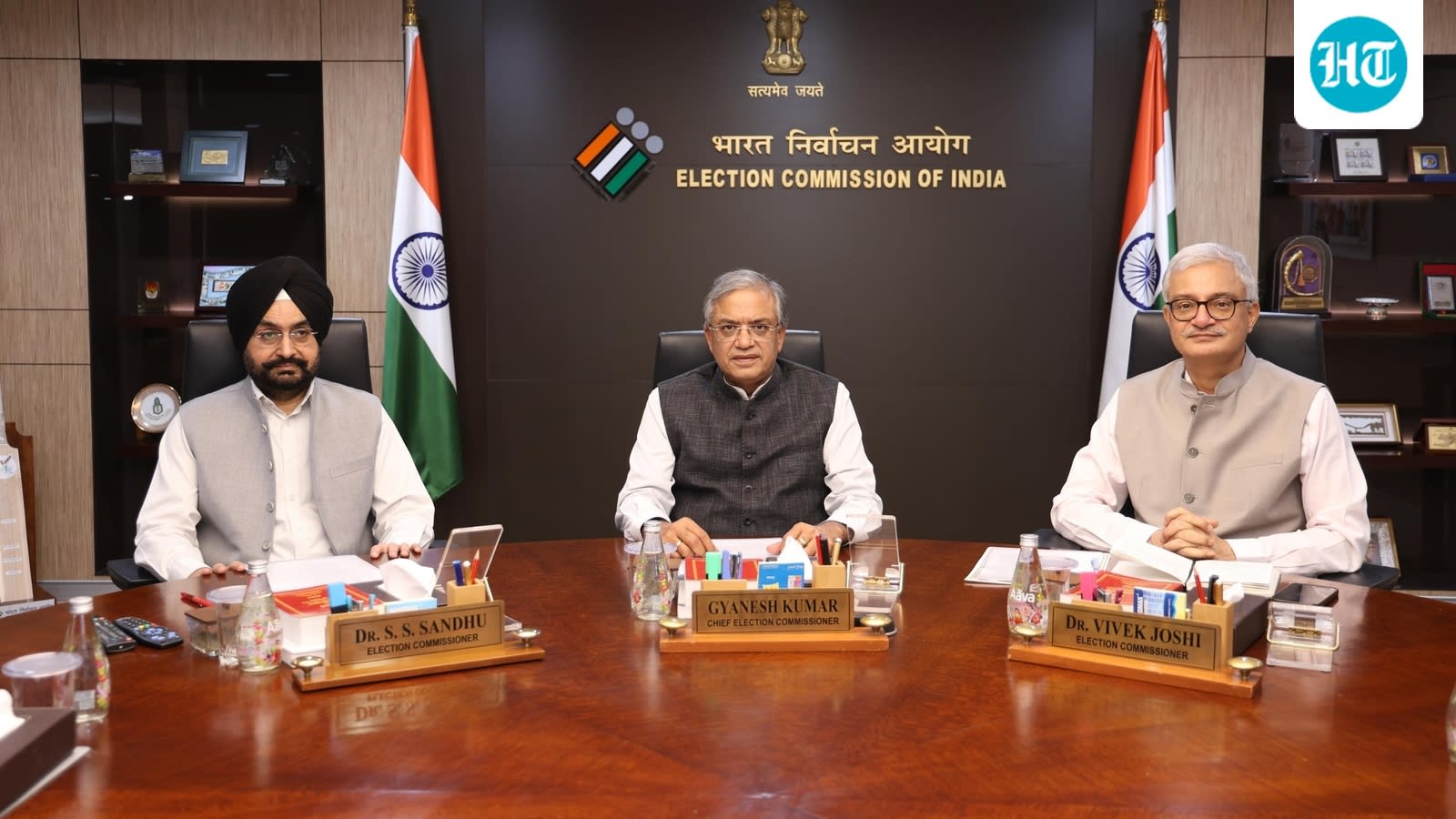
The INDIA bloc is set to convene in Delhi on September 30 to address concerns regarding the Election Commission's Special Intensive Revision of electoral rolls. Opposition leaders, including Mamata Banerjee and Rahul Gandhi, are coordinating a unified response to the ongoing controversy involving Chief Election Commissioner Gyanesh Kumar.
Opposition Unites Amidst Electoral Roll Controversy
The Impetus for the INDIA Bloc Summit
In a significant development for India's political landscape, the INDIA bloc has scheduled a high-stakes meeting in New Delhi on September 30. This gathering, initiated by West Bengal Chief Minister and Trinamool Congress (TMC) leader Mamata Banerjee, serves as a direct response to growing anxieties within the Opposition regarding the Election Commission of India's (ECI) recent administrative maneuvers. Mamata Banerjee confirmed she reached out to Congress leader Rahul Gandhi to emphasize the necessity of a collective strategy, signaling a renewed attempt at coalition cohesion.
The Core Conflict: Special Intensive Revision (SIR)
At the heart of this confrontation is the Special Intensive Revision (SIR) of electoral rolls. Opposition parties have expressed profound skepticism regarding the methodology and timing of these revisions, fearing they may disenfranchise specific voter segments or alter the electoral landscape unfairly. The Opposition's critique is not merely administrative; it is a fundamental challenge to the perceived neutrality of the ECI, specifically targeting the leadership of Chief Election Commissioner Gyanesh Kumar.
Escalating Tensions and Public Protests
The political friction has already spilled into the streets, with the Congress party organizing nationwide protests demanding the resignation of the Chief Election Commissioner. By framing the SIR process as a point of contention, the Opposition is attempting to consolidate its narrative that institutional integrity is under threat. This strategy aims to shift the focus from internal coalition dynamics to a broader national debate on the sanctity of democratic processes.
Institutional Response and Counter-Narratives
While the Opposition prepares for its Delhi meeting, the Election Commission has maintained its stance through official channels. Following a meeting of the three-member commission on September 26, the ECI released photographic evidence and issued clarifications regarding its operations. This move is indicative of the ECI’s attempt to project stability and normalcy in the face of intense political pressure, highlighting the widening chasm between the constitutional body and the Opposition's skepticism.
Broader Implications for Indian Democracy
The upcoming September 30 meeting represents a critical juncture for the INDIA bloc. The effectiveness of this coalition will be tested by its ability to translate administrative grievances into a coherent, national-level political challenge. Historically, the unity of the Opposition hinges on their collective ability to frame institutional issues as existential threats to democracy. Whether this meeting leads to a sustained movement or remains a localized reaction will depend on the consensus reached regarding the ECI’s future actions.
Future Trends and Outlook
Looking ahead, the relationship between the INDIA bloc and the Election Commission is likely to remain strained. As India approaches future electoral cycles, the scrutiny of the ECI’s technical processes—such as the SIR—will likely intensify. If the Opposition continues to find common ground on institutional oversight, we can expect a more confrontational approach toward constitutional bodies, potentially setting the stage for significant legal and political battles over the fairness of future elections.
Verification Required?