How Akashvani Bhavan became a protest site
Source Entity
Latest News: Todays Latest News Headlines from India & World | Hindustan Times | Hindustan Times
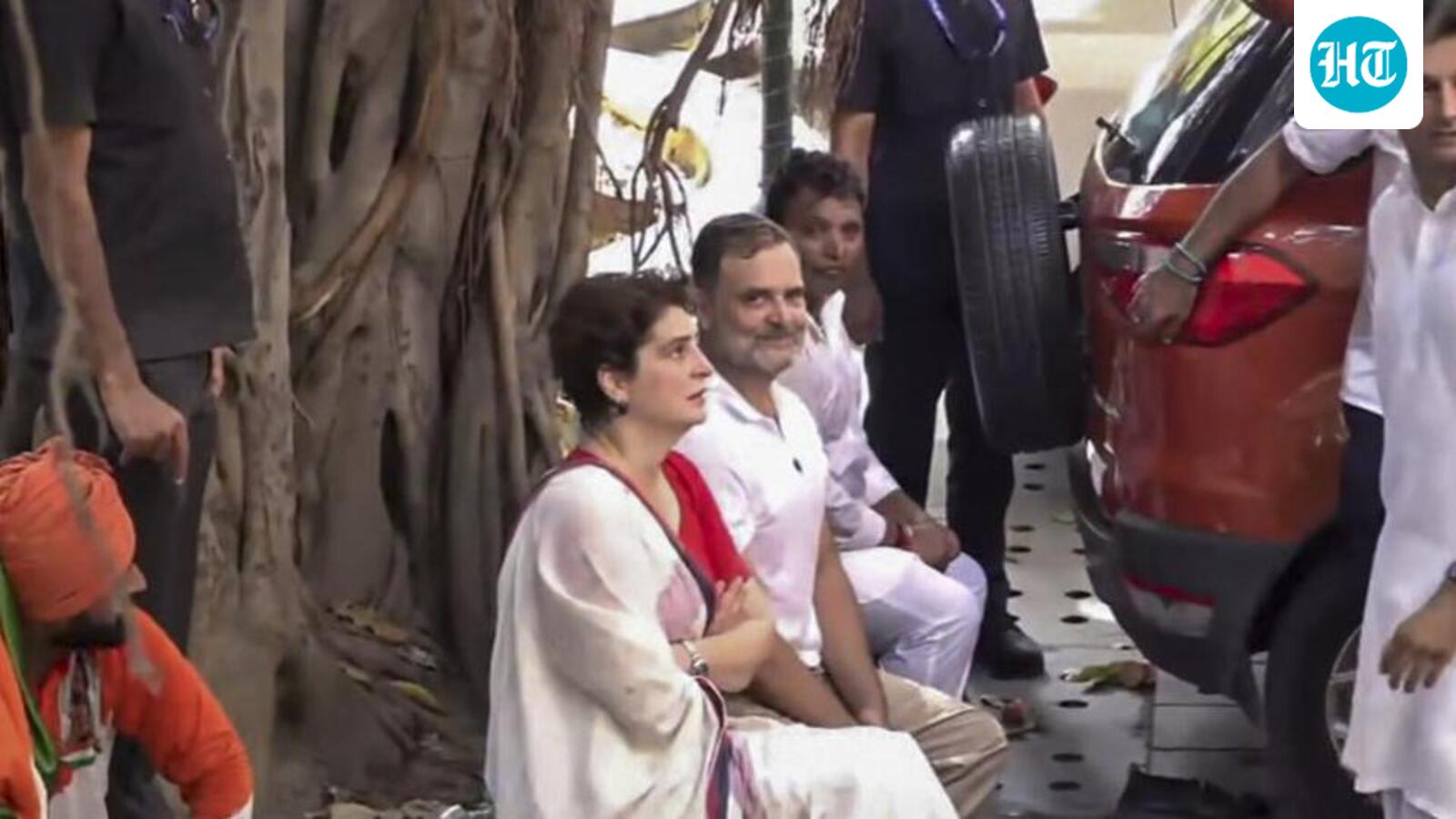
INDIA bloc MPs, led by Rahul and Priyanka Gandhi, staged a protest march toward the Election Commission of India, demanding the resignation of CEC Gyanesh Kumar. The demonstration, centered on concerns over electoral integrity and the Special Intensive Revision exercise, resulted in a standoff with police near the NITI Aayog office.
Tensions Escalate: INDIA Bloc Confronts the Election Commission
The political landscape in New Delhi witnessed a significant escalation as Members of Parliament from the INDIA bloc initiated a protest march from the Parliament House complex toward the Election Commission of India (ECI). Led by Leader of the Opposition Rahul Gandhi and Congress MP Priyanka Gandhi Vadra, the demonstration served as a direct challenge to the current leadership of the ECI, specifically targeting Chief Election Commissioner (CEC) Gyanesh Kumar.
The Standoff and Security Response
As the delegation attempted to reach the ECI headquarters, they were met with extensive security measures. Heavy barricading and significant police deployment were positioned along the route, effectively halting the march on Parliament Street between the NITI Aayog office and Akashvani Bhavan. This physical obstruction transformed the protest into a sit-in (dharna) on the public road, signaling a deepening rift between the opposition coalition and the constitutional body responsible for overseeing India's electoral processes.
Core Grievances: SIR and Institutional Trust
The protest was primarily driven by the INDIA bloc’s opposition to the Special Intensive Revision (SIR) exercise. Opposition leaders have raised formal concerns regarding the transparency and methodology of this electoral roll revision process. By demanding the resignation of CEC Gyanesh Kumar, the bloc is effectively articulating a broader lack of confidence in the neutrality of the Election Commission, suggesting that the current institutional leadership may be aligned with the ruling party’s interests.
Symbolic Protest and Political Rhetoric
The demonstration was characterized by high-intensity rhetoric and symbolic gestures. Protesters carried cutouts depicting CEC Kumar in an RSS uniform, a move designed to visually communicate their allegations of ideological bias. Slogans such as “BJP hai CEC hai” and “Democracy not for sale” were aimed at framing the ECI's actions as partisan. Rahul Gandhi further amplified this sentiment on social media, publicly calling for the CEC's resignation, which marks a rare and aggressive direct attack on a constitutional office-holder.
Broader Implications for Indian Democracy
This event highlights the growing fragility of the relationship between the opposition and independent constitutional institutions. When opposition leaders feel compelled to physically confront the election management body, it suggests a breakdown in traditional consultative processes. The incident reflects a wider anxiety regarding the integrity of upcoming electoral cycles and the role of the ECI as a neutral arbiter in a polarized political environment.
Future Trends and Outlook
Looking forward, this confrontation is likely to set a precedent for future parliamentary sessions, where the ECI’s operational conduct will face unprecedented scrutiny. If the INDIA bloc continues to prioritize public demonstrations over internal parliamentary mechanisms, the ECI may find itself under constant pressure, potentially leading to further administrative gridlock. The long-term impact of this protest will depend on whether the ECI chooses to address the transparency concerns raised by the opposition or continues to maintain its current trajectory, which may risk further erosion of public trust in the electoral system.
Multiple Citing Sources
Verification Required?