Exclusive: To Take Business Wallet Global, India In Talks With Russia, EU
Source Entity
NDTV News Search Records Found 1000
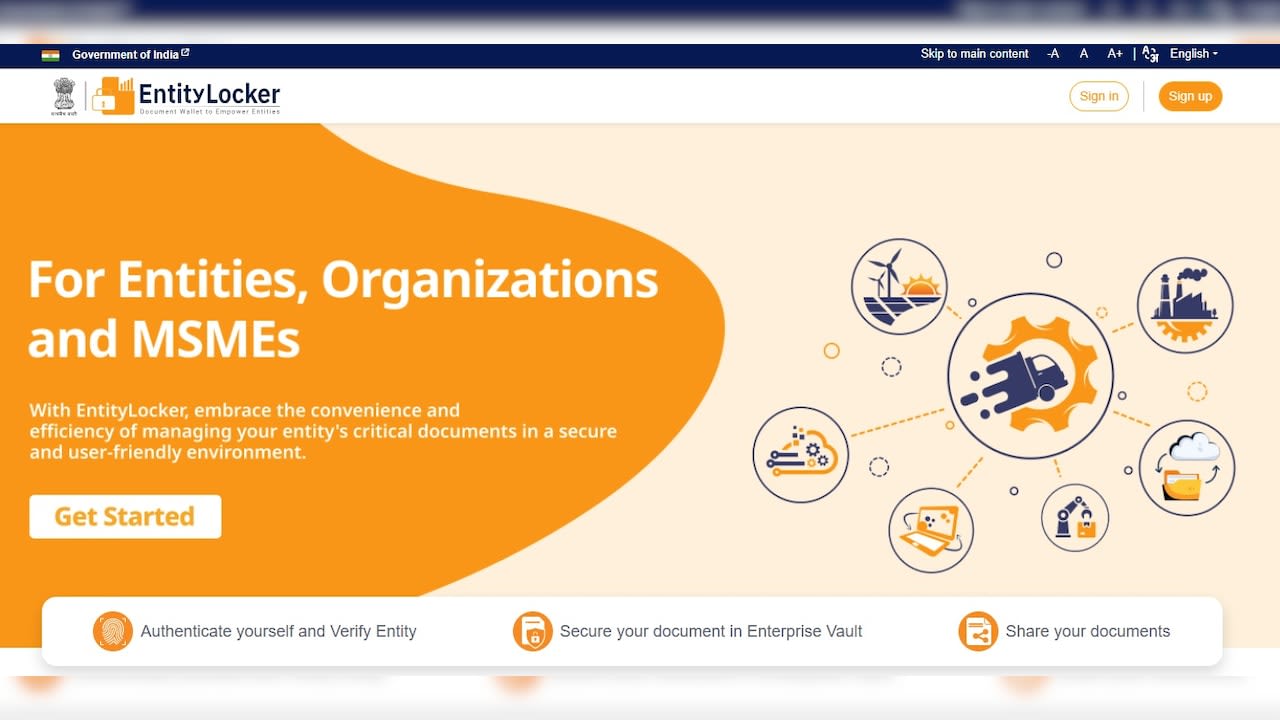
India is engaging in diplomatic talks with Russia, the EU, and Singapore to expand its business wallet infrastructure globally. This initiative seeks to replicate the cross-border integration success of India's DigiLocker system to streamline international digital transactions.
India’s Global Digital Infrastructure Ambitions
India has recently initiated high-level diplomatic discussions with Russia, the European Union, and Singapore to facilitate the global expansion of its business wallet infrastructure. This strategic move marks a significant pivot in India's digital public infrastructure (DPI) strategy, aiming to move beyond domestic utility to become a foundational element of international trade and financial connectivity. By leveraging existing frameworks, India is positioning its digital ecosystem as a scalable model for cross-border interoperability.
Modeling Success on DigiLocker
The current proposal is heavily influenced by India's successful efforts to integrate DigiLocker with other nations. DigiLocker, a flagship initiative under the Digital India program, has already demonstrated the efficacy of secure, cloud-based document verification on a national scale. By extending this architecture to include business wallets, the government seeks to create a seamless, digitized environment where corporate entities can navigate regulatory and financial hurdles across jurisdictions with unprecedented speed and trust.
The Role of International Banking Partners
Central to these negotiations are financial institutions from Russia, the European Union, and Singapore, which are actively participating in the dialogue. The inclusion of these specific regions suggests a diversified approach to global integration, balancing traditional financial hubs with emerging digital payment corridors. These banks are tasked with evaluating the technical and legal frameworks required to allow Indian business wallets to function effectively within their respective regulatory environments, ensuring compliance with local data sovereignty and security standards.
Diplomatic Hurdles and Strategic Alignment
Because these talks are occurring at a diplomatic level, the initiative transcends simple technical integration. It requires a harmonization of financial policies and a mutual recognition of digital identities. This diplomatic layer is essential to navigate the complex geopolitical landscape, particularly when aligning the varied regulatory requirements of the European Union’s GDPR-influenced framework with the distinct financial systems found in Russia and Singapore.
Future Trends in Digital Trade
If successful, this initiative could fundamentally alter the landscape of international business transactions. By reducing the friction associated with cross-border payments and document authentication, India’s business wallet could become a standard tool for global trade. The ability to integrate such wallets into international banking systems would likely set a precedent for other nations to adopt similar DPI models, potentially leading to a more interconnected, digitized global economy that prioritizes efficiency and security.
Conclusion
In summary, India’s pursuit of a global business wallet signifies a bold step toward exporting its digital infrastructure expertise. By fostering cooperation with Russia, the EU, and Singapore, the government is not merely proposing a technological upgrade but is instead establishing a new framework for international trade. As these diplomatic and technical talks progress, the world will be watching to see if India can successfully bridge the gap between national digital sovereignty and global financial interoperability.
Verification Required?