India’s retail inflation rose to 4.8% in August, oil fuels rate hike bets
Source Entity
Latest News: Todays Latest News Headlines from India & World | Hindustan Times | Hindustan Times
India is experiencing a dual challenge as surging power demand forces an 80% increase in gas-based electricity generation amid constrained hydro and coal supplies. Simultaneously, rising retail and wholesale inflation, driven by food and fuel costs, have heightened expectations for a potential RBI interest rate hike.
India Faces Economic Headwinds: Energy Strain and Rising Inflation
The Energy Crisis: A Shift to Gas-Based Power
India is currently navigating an unusual surge in electricity demand that has strained the national grid, particularly during evening hours. With hydropower generation facing significant constraints and coal-fired plants operating near their maximum capacity, the nation has turned to gas-based power to bridge the gap. Data from the National Power Portal indicates that electricity generation from gas-based plants spiked by 80.32% between September 1 and September 9, reaching 1,088.64 million units (MU) compared to 603.70 MU during the same period last year. This reliance underscores the precarious balance between supply and demand as seasonal factors and industrial requirements continue to push infrastructure to its limits.
Inflationary Pressures: The Consumer and Wholesale Divide
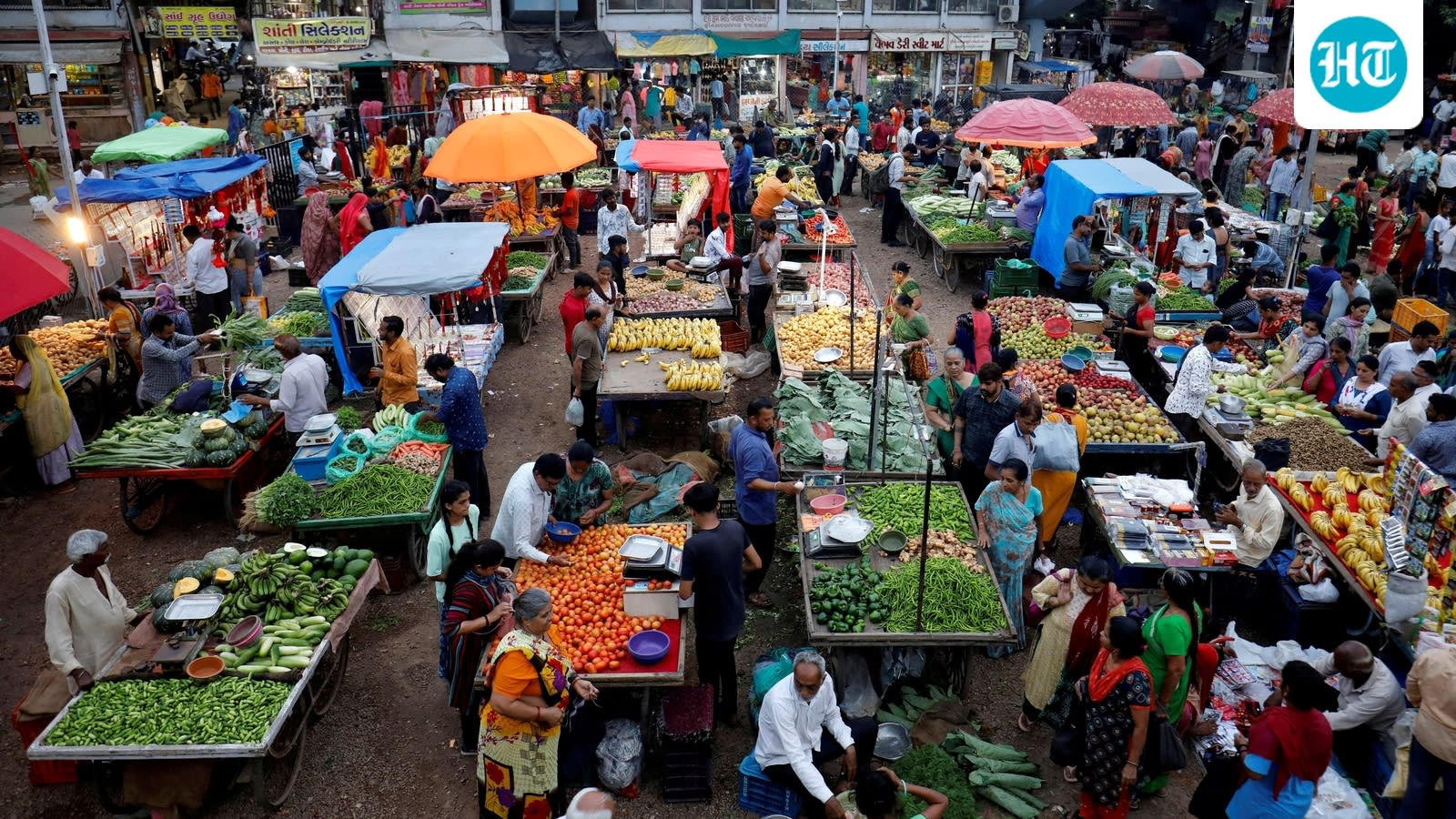
Compounding the energy supply challenges, India is witnessing a notable uptick in inflationary pressures. Government data released by the Ministry of Statistics and Programme Implementation (MoSPI) shows that Consumer Price Index (CPI) inflation rose to 4.82% in August, up from 4.45% in July. The primary driver of this increase is food inflation, which has climbed to 5.95%. This retail trend is mirrored at the wholesale level, where the Wholesale Price Index (WPI) has neared double digits at 9.92%, signaling broad-based price increases across the economy.
The Role of Fuel and Power in Cost Escalation
Of particular concern is the surge in fuel and power inflation, which has jumped over 22% on the wholesale index. This sharp increase is directly linked to the broader energy supply issues mentioned previously. As the cost of power generation rises and the input costs for manufacturers climb—with producer output prices 9.81% higher—the economy faces a classic cost-push inflation scenario. The interplay between energy shortages and rising fuel prices creates a cyclical challenge for both households and businesses.
Monetary Policy at a Crossroads
These economic indicators have shifted the spotlight onto the Reserve Bank of India’s (RBI) upcoming Monetary Policy Committee (MPC) meeting scheduled for October 5-7. With inflation figures consistently trending upward and reaching levels that exceed some analyst estimates, there is growing speculation regarding a potential interest rate hike. Such a move would represent the first increase in three-and-a-half years, marking a significant pivot in the central bank’s approach to maintaining price stability amid volatile global factors.
Broader Implications and Future Outlook
The combination of energy supply bottlenecks and inflationary heat suggests that India’s growth trajectory may face short-term hurdles. The reliance on gas-based power, while effective in the immediate term, may prove costly due to the volatility of global gas prices. Furthermore, the persistence of food inflation suggests that supply-side interventions may be required to stabilize the markets. As the RBI prepares for its October meeting, the central bank will need to carefully balance the need to curb inflation against the requirement to support ongoing industrial activity and power generation needs.
Conclusion
In summary, India is currently grappling with a complex economic environment where energy security and price stability are inextricably linked. The 80% surge in gas-based power generation highlights the critical need for diversified energy sources to prevent evening supply shortfalls. Simultaneously, the rise in both retail and wholesale inflation necessitates a vigilant monetary policy stance. Moving forward, the effectiveness of the RBI’s response and the stabilization of fuel and food costs will be the primary determinants of India’s economic resilience in the final quarter of the year.
Verification Required?