How Indian Railways aims to maximise its freight revenue potential
Source Entity
Dheeraj Mishra
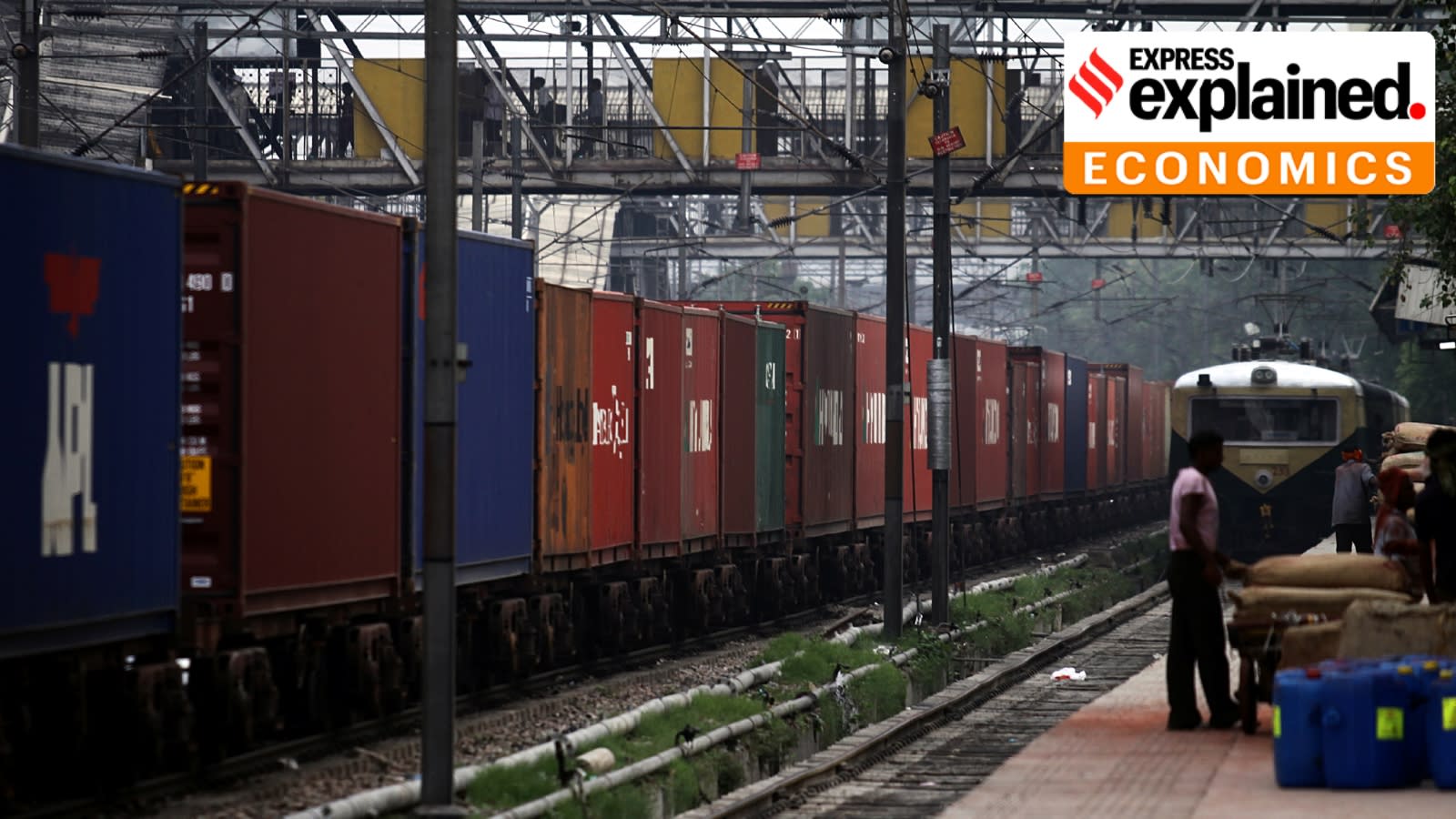
Indian Railways is leveraging its freight network, which generates 65% of its revenue, to subsidize passenger travel. To counter competition from expanding highways, the organization is focusing on resolving network congestion and improving last-mile connectivity.
The Strategic Importance of Indian Railways Freight
Indian Railways stands as a cornerstone of the national economy, acting as both a vital passenger carrier for over 20 million daily commuters and a massive freight logistics network. While its passenger services are highly visible, the financial backbone of the organization is its freight division. Currently, freight revenues account for more than 65% of the Railways' total earnings, serving as a critical financial cross-subsidy that keeps passenger travel affordable for the vast majority of the population.
The Competitive Landscape and Infrastructure Challenges
Despite its importance, the sector faces significant hurdles. Over the past decade, India has seen a massive expansion of the National Highways network—an increase of over 60%. This infrastructure boom has provided road transport with a competitive edge, challenging the Railways' historical dominance in cargo logistics. While rail transport remains inherently more cost-effective and environmentally sustainable due to its lower carbon emission profile, the shift toward road freight has been driven by the flexibility and speed that highways offer.
Bottlenecks: Congestion and Connectivity
Two primary factors currently hinder the Railways from capturing a larger share of the logistics market: network congestion and inadequate last-mile connectivity. The existing rail corridors are often saturated, leading to delays that road transport avoids. Furthermore, the inability to move goods efficiently from major rail hubs to final destinations—the 'last-mile' problem—often forces businesses to rely on road networks for the entire journey, undermining the Railways' competitive pricing advantage.
The Path Toward Operational Efficiency
To reclaim its market share, Indian Railways must transition from being a legacy network to a modern logistics provider. This requires a dual-pronged approach: investing in dedicated freight corridors to alleviate congestion on mixed-use tracks and integrating digital tracking solutions to provide transparency to logistics partners. By prioritizing these operational upgrades, the Railways can better leverage its capacity to handle bulk commodities, which is essential for industrial growth.
Economic Implications and Future Outlook
If Indian Railways successfully addresses these infrastructure gaps, the broader economic impact would be significant. A more efficient rail freight network would reduce the overall logistics cost for Indian manufacturers, making domestic products more competitive globally. As the nation moves toward more sustainable development goals, the environmental benefits of shifting freight from road to rail align with broader national climate commitments, ensuring that the Railways remains the true 'lifeline' of the country's economic future.