Ethanol or EVs? India needs both for cleaner mobility, says IFGE
Source Entity
SHIVANGHI PAYAL
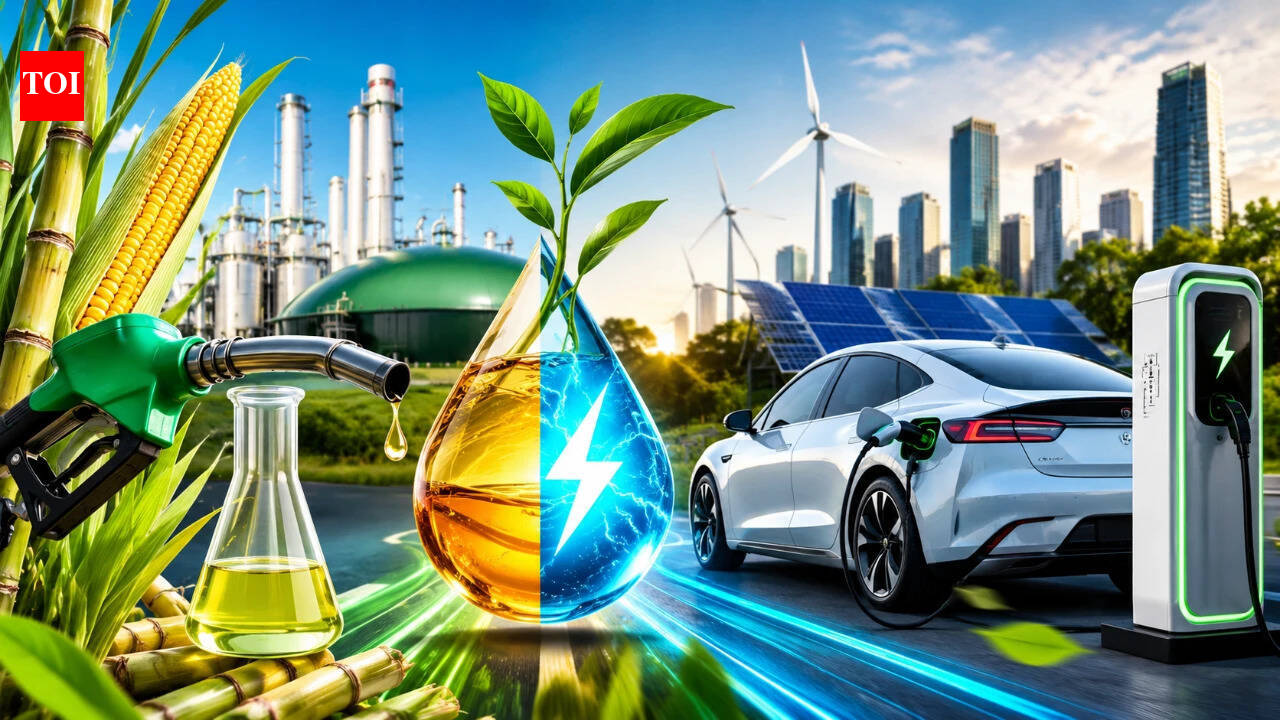
India's energy security strategy requires a balanced approach combining state-owned oil giants with private sector participation and diverse fuel sources like ethanol and EVs. Experts argue that rather than choosing between alternatives, a multi-pronged policy is essential for long-term sustainability.
The Dual Mandate: Balancing Energy Security and Sustainability
India stands at a critical juncture regarding its energy policy, facing the dual challenge of meeting rising domestic demand while transitioning toward a cleaner, more sustainable future. The discourse surrounding the Indian Federation of Green Energy (IFGE) emphasizes that the debate between ethanol and Electric Vehicles (EVs) is a false dichotomy. Both technologies are essential components of a diversified mobility strategy that can reduce the nation's heavy reliance on imported fossil fuels.
The Role of Public Sector Undertakings (PSUs)
Recent discussions initiated by experts like Vikram S. Mehta have reignited the debate over the privatization of Oil and Natural Gas Corporation (ONGC) and Oil India Limited. While some suggest that privatization might increase operational efficiency, the argument persists that maintaining a strong state-owned presence in the upstream sector is vital for national energy security. These Maharatna companies provide a stabilizing force that can navigate the volatility of global energy markets in ways that purely profit-driven private entities might not prioritize.
Strategic Petroleum Reserves and Resilience
Beyond ownership models, the expansion of Strategic Petroleum Reserves (SPR) is a non-negotiable requirement for India's geopolitical resilience. As global supply chains face increasing disruptions, having a robust buffer of crude oil allows the government to mitigate sudden price shocks. The integration of state-owned entities with a well-funded SPR program creates a comprehensive defensive shield against external market instabilities.
Embracing a Multi-Energy Ecosystem
The transition to green energy is not a zero-sum game. The IFGE’s position that India needs both ethanol and EVs highlights a pragmatic approach to decarbonization. Ethanol-blended fuel offers a near-term solution to reduce carbon footprints in the existing fleet of internal combustion engine vehicles, while EVs represent the long-term vision for sustainable urban mobility. By investing in both, India can leverage existing infrastructure while simultaneously building the necessary grid and charging networks for the future.
Future Trends and Policy Implications
Moving forward, India’s energy policy will likely be defined by a 'both-and' philosophy rather than an 'either-or' approach. This means strengthening the upstream sector through PSUs, expanding strategic reserves, and aggressively scaling up renewable energy technologies. The future of Indian mobility will be characterized by a hybrid energy basket that balances economic growth with aggressive climate goals, ensuring that the country remains resilient against both domestic supply gaps and international geopolitical pressure.