U.S. stock futures dip as investors await inflation data, grapple with more Iran uncertainty
Source Entity
Mike Murphy
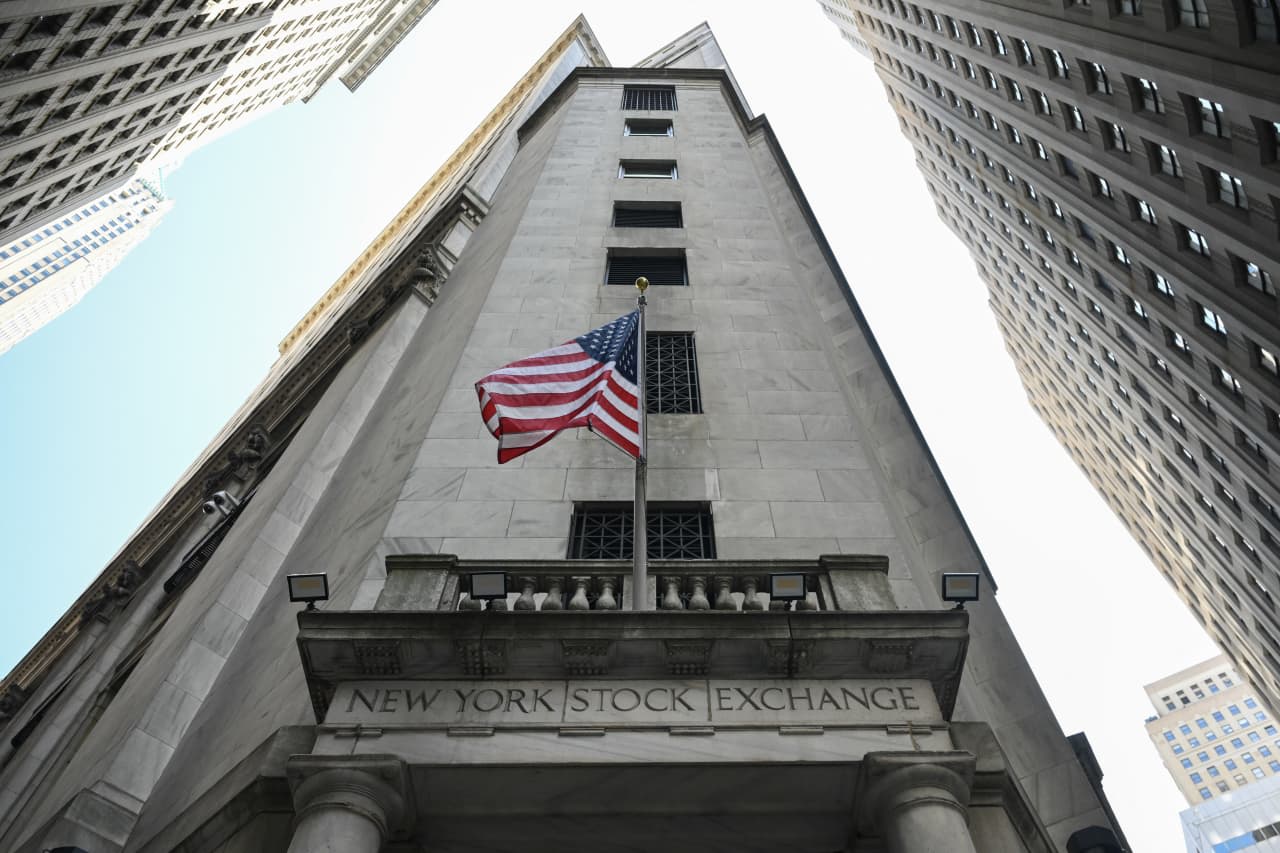
Oil prices have risen as negotiations to reopen the vital Strait of Hormuz face new delays due to Iranian demands. Compounded by regional conflicts and Houthi attacks, market uncertainty has pushed crude benchmarks higher, stalling recent downward trends.
Market Volatility and the Strait of Hormuz
Global energy markets are currently experiencing significant turbulence as the prospect of reopening the Strait of Hormuz—a critical artery for global oil transit—remains in limbo. Following a week where oil benchmarks dropped by over 7% on optimism regarding a potential deal, prices have rebounded by more than 1%. This shift highlights the fragile nature of market sentiment, which is currently oscillating between hope for diplomatic resolution and the harsh reality of ongoing geopolitical friction.
The Diplomatic Impasse
The central tension revolves around a potential agreement between Iran and Oman aimed at establishing new, secure shipping lanes. While Iranian Foreign Minister Abbas Araghchi has indicated that these negotiations are in their "final stages," progress is being heavily impeded by Tehran’s insistence on additional concessions from the United States. Crucially, Araghchi has clarified that Iran is not currently in direct talks with Washington to end the conflict, directly contradicting earlier signals from U.S. officials who suggested a breakthrough was imminent. This divergence in diplomatic messaging has left investors grappling with mixed signals, fueling the current uncertainty.
Security Threats and Supply Chain Disruptions
Beyond the diplomatic gridlock, the physical security of oil infrastructure has deteriorated. The situation is exacerbated by recent Houthi rebel activities, including a targeted attack on Saudi Aramco’s Jazan refinery which resulted in a fire. These incidents, combined with ongoing hostilities in the Red Sea and the Gulf of Aden, have elevated fears regarding the safety of maritime oil transport. Given that the Strait of Hormuz historically facilitated the passage of approximately one-fifth of the world's oil, any sustained closure or threat to shipping lanes creates a direct, upward pressure on crude prices.
Impact on Financial Futures
U.S. stock-index futures have remained largely stagnant as investors adopt a "wait-and-see" approach. The market is currently balancing the geopolitical risks in the Middle East with the anticipation of key U.S. inflation data scheduled for later this week. This data is expected to influence broader economic sentiment, yet for now, energy-related anxieties are dominating trading behavior. The rise in Brent crude to $84.65 and WTI to $78.99 reflects a market that is pricing in a higher risk premium due to the potential for a prolonged supply bottleneck.
Outlook and Historical Precedent
The Strait of Hormuz has long been a flashpoint for global energy security. Historical precedents show that whenever this chokepoint is threatened, global markets react with immediate volatility. The current situation is unique, however, due to the combination of regional militant activity and complex, multi-party negotiations involving Oman, Iran, and the U.S. As long as the demand for concessions remains unresolved and regional infrastructure remains a target for aggression, the energy sector is likely to remain in a state of high alert, with prices sensitive to even minor updates from the region.
Multiple Citing Sources
Verification Required?