India docked 35 per cent of match fee for slow over-rate in fifth ODI
Source Entity
Latest News: Todays Latest News Headlines from India & World | Hindustan Times
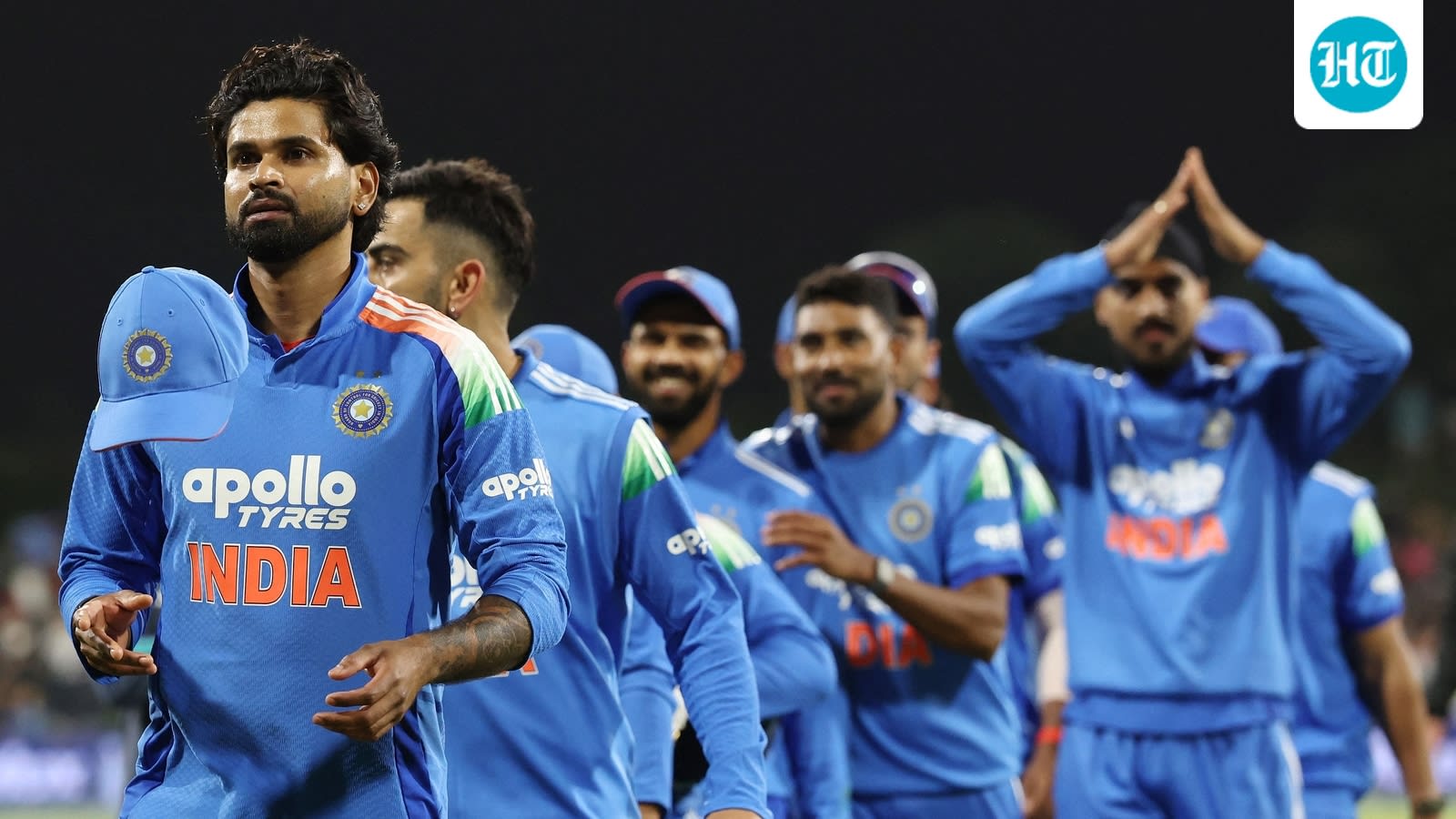
The Indian cricket team was fined 35 per cent of their match fees for a slow over-rate during their fifth ODI victory against New Zealand. Captain Shreyas Iyer accepted the sanction imposed by the ICC, which followed a series-clinching 3-1 win.
India Penalized for Slow Over-Rate in Series Finale
Following a successful campaign against New Zealand, the Indian cricket team faced a disciplinary setback during the fifth ODI in Mount Maunganui on November 15. Although the team secured a 3-1 series victory, they were officially sanctioned by the International Cricket Council (ICC) for maintaining a slow over-rate throughout the match. Specifically, the side was found to be seven overs short of the required target even after accounting for necessary time allowances.
The Mechanics of the ICC Sanction
The penalty was administered by Ranjan Madugalle, a member of the ICC Elite Panel of Match Referees. Under Article 2.22 of the ICC Code of Conduct for Players and Player Support Personnel, teams are held strictly accountable for the pace of play. The regulation stipulates a fine of five per cent of the match fee for every over a team fails to bowl within the allotted time, with a maximum cap set at 50 per cent. Consequently, India’s shortfall of seven overs resulted in a 35 per cent deduction from the players' match fees.
Leadership and Accountability
Captain Shreyas Iyer, leading the side during this contest, acknowledged the breach of conduct. By pleading guilty and accepting the proposed penalty, Iyer avoided the need for a formal hearing. This proactive acceptance of the charges reflects a standard procedure in international cricket, where captains often take responsibility for the team's inability to manage match duration effectively, particularly in high-pressure scenarios where tactical deliberation often slows the game down.
Broader Implications for Global Cricket
The issue of slow over-rates remains a persistent challenge for the ICC, which aims to maintain the attractiveness and flow of the game for spectators. By enforcing these financial penalties, the governing body seeks to discourage teams from using excessive time-wasting tactics—such as prolonged field setting or frequent bowler consultations—that threaten the integrity of the match schedule. This incident serves as a reminder that even in victory, teams are not exempt from the technical regulations governing the professional sport.
Historical Context and Future Trends
Historically, the ICC has struggled to balance the intensity of modern ODI cricket with the need for strict time management. While financial fines are the current standard for initial offenses, the repeat nature of these violations often leads to stricter sanctions, including potential suspensions for captains. As the game continues to evolve, cricket boards may need to implement more robust strategies to improve efficiency, such as digital countdowns or stricter on-field enforcement by umpires, to prevent the sport from dragging into unintended, lengthy durations.
Conclusion
In summary, while India’s performance on the field in Mount Maunganui was successful enough to secure the series, their administrative performance was found wanting. The 35 per cent fine acts as a regulatory deterrent, ensuring that the competitive nature of the sport does not come at the cost of its logistical requirements. As the team moves forward, maintaining a balanced pace of play will be essential to avoiding future sanctions and keeping the game within the prescribed temporal boundaries.
Verification Required?