India's Gold Rush Gets A Reality Check As Prices Fall 20% From Record High
Source Entity
NDTV News Search Records Found 1000
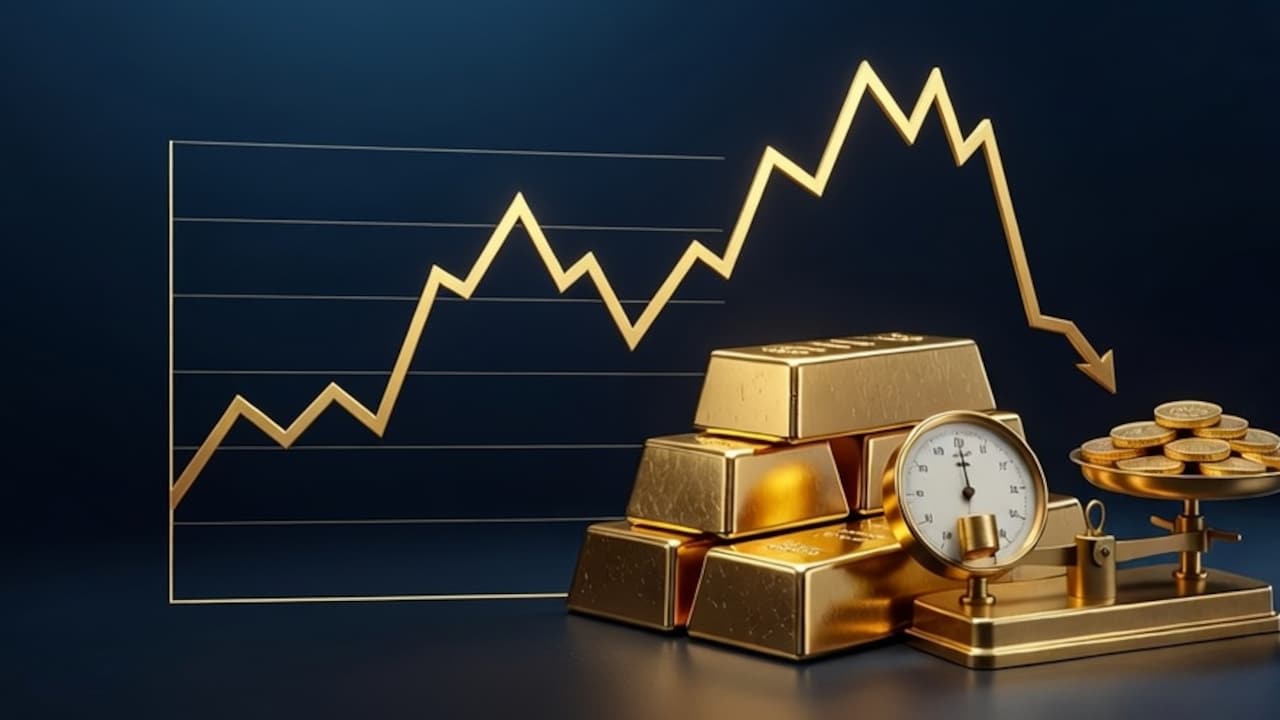
Despite a strong 21% annual return, gold prices in India have experienced a significant 20% correction from record highs. This volatility has left many investors feeling underwhelmed by the precious metal's recent performance.
The Paradox of Gold: A Year of Gains and Disappointment
For many Indian households, gold is more than an asset; it is a cultural cornerstone and a traditional hedge against inflation. However, the recent market performance of the yellow metal presents a striking paradox. While gold delivered a robust 21% return over the last twelve months, the narrative among retail investors remains one of disappointment. This disconnect stems from the recent price correction, which saw values tumble 20% from their record-breaking peaks, turning what was once a stellar paper gain into a source of frustration for those who bought at the top.
Understanding the Price Correction
The 20% drop from record highs highlights the extreme volatility inherent in commodity markets, even for a 'safe haven' asset like gold. Investors who entered the market during the peak of the frenzy have seen their portfolio values erode rapidly. This correction serves as a reality check for the Indian market, where gold is often perceived as a guaranteed store of value. When prices deviate significantly from historical averages, the subsequent 'mean reversion' can be jarring, especially for retail participants who lack the hedging tools used by institutional players.
The Psychological Impact on Retail Investors
In India, gold ownership is deeply psychological. When prices hit record highs, the 'fear of missing out' (FOMO) drives massive inflows into jewelry and digital gold products. When those prices retreat, the disappointment is amplified because the investment is often tied to emotional milestones like weddings or family security. The fact that gold provided a 21% return becomes mathematically irrelevant to an investor who sees a 20% drop in their specific holding value, illustrating how timing the market is as difficult in commodities as it is in equities.
Broader Macroeconomic Implications
The volatility in gold prices reflects broader shifts in global macroeconomic conditions, including interest rate fluctuations and central bank policies. As real interest rates shift, the opportunity cost of holding non-yielding assets like gold changes, often leading to rapid capital reallocation. For the Indian economy, which remains one of the world's largest consumers of gold, these price swings have implications for the current account deficit and import costs, further complicating the domestic financial landscape.
Future Trends and Market Outlook
Looking ahead, the gold market in India is likely to remain sensitive to both global geopolitical tensions and domestic demand cycles. While the 21% annual return proves that gold remains a viable long-term component of a diversified portfolio, the recent 20% correction underscores the necessity of a disciplined investment approach. Investors should view gold as a long-term hedge rather than a short-term speculative instrument to avoid the emotional and financial pitfalls of market volatility. Moving forward, digital gold and sovereign gold bonds may offer more stability, but the fundamental reality of market fluctuation remains constant.
Verification Required?