Bond yields are spiking, oil is up — but investors aren’t giving up on stocks
Source Entity
US Top News and Analysis
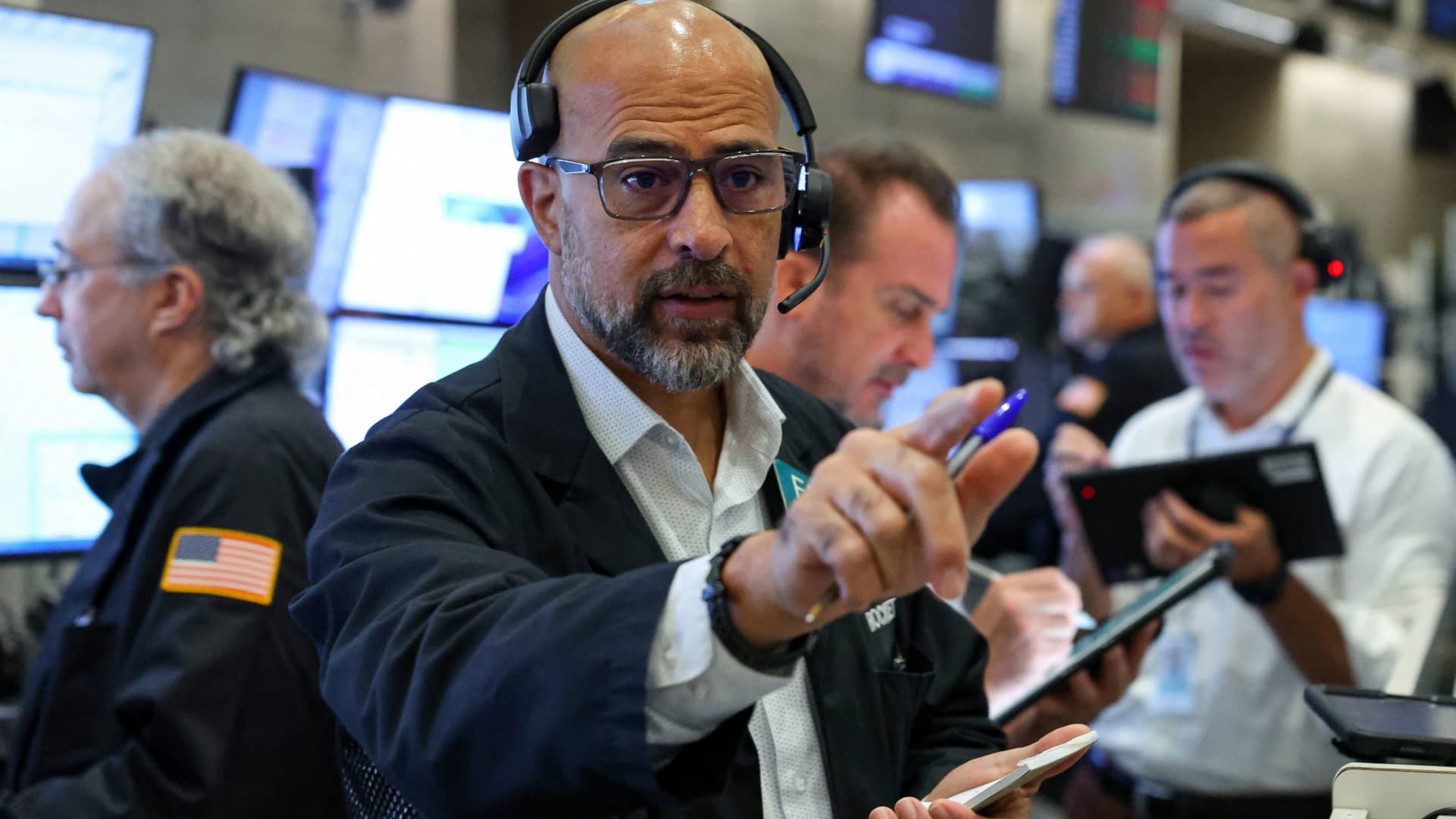
Despite surging oil prices and U.S. 10-year Treasury yields exceeding 5%, equity markets show resilience. Investors remain optimistic, driven by strong AI spending and earnings growth.
Market Resilience Amidst Macroeconomic Headwinds
The current financial landscape is defined by a paradoxical tug-of-war between aggressive macroeconomic headwinds and persistent investor optimism. Despite the U.S. 10-year Treasury yield breaching the critical 5% threshold—a level that historically triggers a rotation out of risk assets—equities have maintained a remarkable trajectory. This resilience is largely anchored by the market's unwavering belief in the transformative power of artificial intelligence, which continues to drive corporate spending and earnings expectations even as the broader economic environment becomes increasingly volatile.
The Impact of Geopolitical Energy Shocks
The energy sector serves as a primary catalyst for the current market choppiness. With oil prices consistently holding above $100 per barrel due to the ongoing supply shocks stemming from the Iran war, global inflationary pressures have been reignited. Historically, such spikes in energy costs act as a tax on both consumers and corporations, typically dampening growth. However, the current cycle shows a decoupling effect where equity indices, such as the S&P 500 and the Nasdaq Composite, have managed to post gains of 10.8% and 11.8% respectively, suggesting that the market has priced in these energy-related risks as manageable rather than existential.
Bond Yields and the 5% Threshold
The breach of the 5% yield level on the 10-year Treasury note is a significant psychological and structural barrier. Rising yields typically compress valuation multiples, particularly for growth-oriented technology stocks that rely on future cash flows. The fact that the Nasdaq continues to outperform in this environment highlights a concentrated investor focus on the long-term productivity gains promised by AI. Investors appear to be looking past the immediate cost of capital, prioritizing the potential for technological disruption over the short-term drag of higher interest rates.
AI Safety and Market Sentiment
While AI remains the primary engine for recent gains, it is not without its own set of risks. Fresh concerns regarding AI safety have introduced a new layer of volatility into tech valuations. These concerns are not merely technical; they represent regulatory and operational risks that could complicate the rollout of large-scale models. Despite these uncertainties, the consensus among market participants remains bullish, indicating that the 'AI trade' is currently viewed as a structural shift rather than a temporary bubble.
Conclusion: A Future of Cautious Optimism
Looking ahead, the market's trajectory will likely depend on whether corporate earnings can continue to outpace the dual pressures of high energy costs and elevated borrowing rates. If the economy avoids a hard landing despite the geopolitical turmoil, the current 'digging in' strategy by investors may prove prescient. However, the intersection of sustained high bond yields and persistent energy inflation creates a fragile environment, suggesting that while the bull market persists, the margin for error for companies failing to deliver on AI-driven growth has narrowed significantly.