Amid Onam supply gap, looms of Chendamangalam call for a tech update
Source Entity
India Latest News: Top National Headlines Today & Breaking News | The Hindu
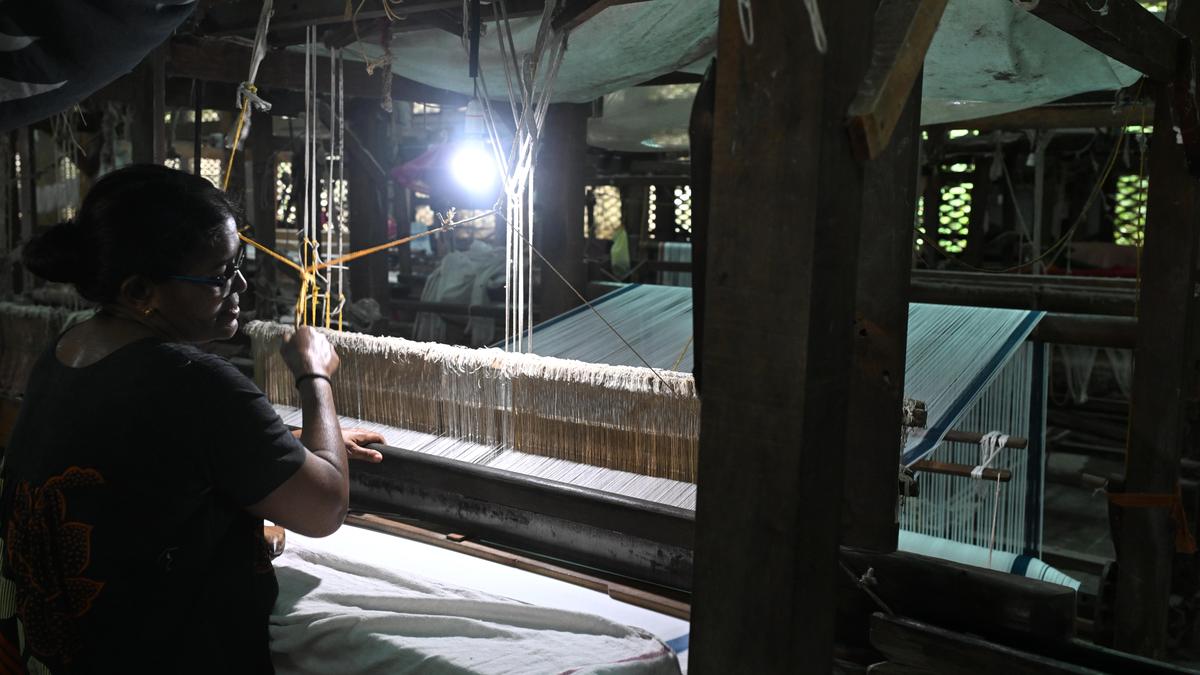
Traditional handloom sectors in Tamil Nadu and Kerala are navigating distinct challenges, balancing artisanal preservation against the urgent need for modernization. While Manamedu weavers thrive on intricate craftsmanship, Chendamangalam weavers face supply gaps during peak seasons, highlighting the industry's need for technological adaptation.
The Resilience and Evolution of India's Handloom Heritage
India's handloom industry remains a vibrant yet vulnerable pillar of its cultural and economic identity. Recent reports from the Maragathaleswarar Handloom Weavers’ Cooperative Society in Tamil Nadu and the traditional looms of Chendamangalam in Kerala reveal two sides of the same coin: the dedication to exquisite craftsmanship and the structural challenges of an aging, traditional workforce.
The Artistry of the 'Butta' Sari
In Thiruengoimalai, weavers like K. Jothimani exemplify the mastery required to sustain ancient techniques. The process of creating a 'butta' (Persian for flower)—where red threads are manually inserted into the warp and shuttles are adjusted dozens of times for a single motif—is a testament to human precision. This labor-intensive work, while aesthetically superior, underscores the slow, deliberate nature of handloom production that differentiates it from mass-manufactured textiles.
The Chendamangalam Supply Crisis
Conversely, the situation in Chendamangalam illustrates the volatility of demand-driven production. Despite encouraging interest during the Onam festival, the cooperative-based sector struggles to meet consumer needs. This 'disequilibrium' is a classic indicator of an industry operating on legacy infrastructure. The reliance on an aging workforce, coupled with the seasonal surge in demand, has created a bottleneck that threatens to alienate a modern, digital-savvy consumer base.
The Call for Modernization
For the handloom sector, the path forward is a delicate negotiation between preserving the 'human touch' and adopting necessary technological upgrades. The demand for modernization in production and marketing in North Paravur is not merely about replacing tradition; it is about ensuring that the industry remains viable in a competitive retail environment. Integrating digital inventory management and modern looms could potentially bridge the supply gap without sacrificing the integrity of the hand-woven product.
Socio-Economic Implications
The survival of these cooperatives is vital for the economic stability of rural artisan communities. When cooperatives like Maragathaleswarar maintain healthy order books, they provide essential livelihoods for local families. However, the broader trend suggests that without systemic support for younger generations to enter the trade—and the deployment of tech-assisted production—the sector risks becoming a 'sunset industry' rather than a sustainable economic force.
Future Outlook
The future of Indian handlooms depends on successfully marrying traditional motifs with efficient supply chains. As consumers increasingly value ethical, artisanal goods, the potential for growth is significant. If the industry can successfully implement the technological shifts called for by the Chendamangalam weavers while retaining the intricate artistry practiced by the likes of Mr. Jothimani, it may find a path to long-term sustainability in the global market.
Verification Required?