Domestic chip mandate for smart meters by mid-2028: Power Secretary Pankaj Agarwal
Source Entity
Pratyush Deep
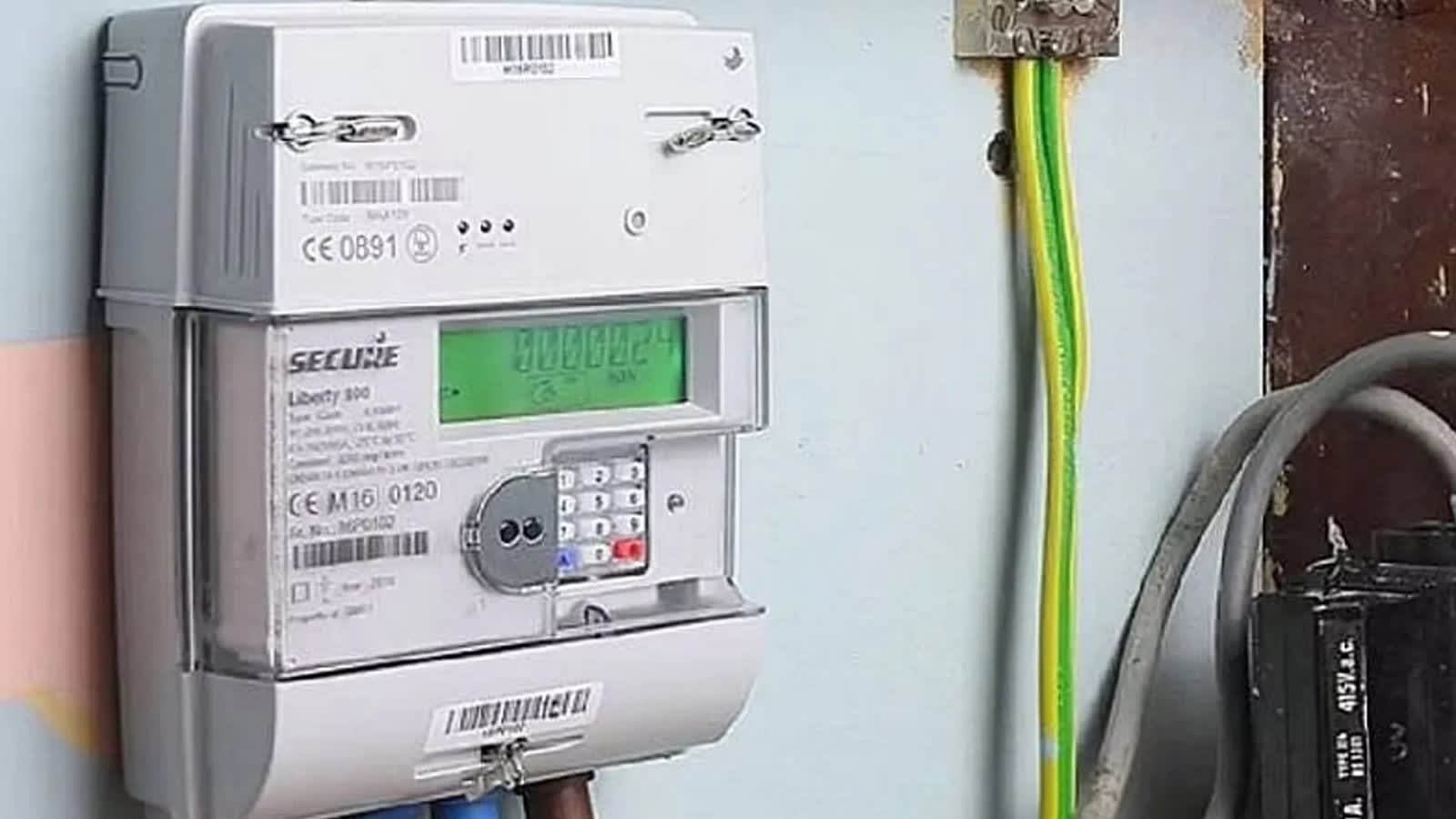
The Indian government plans to mandate domestically designed chips in smart meters by mid-2028 to mitigate cybersecurity risks. This initiative aims to reduce reliance on foreign technology and bolster national power infrastructure security.
Strengthening India’s Energy Infrastructure: The Shift to Domestic Smart Meter Chips
Addressing Cybersecurity Vulnerabilities
The Indian government has unveiled a strategic roadmap to mandate the use of domestically designed chips in smart meters by mid-2028. Power Secretary Pankaj Agarwal, speaking at the 2nd Indian Power Sector Conference organized by FICCI, highlighted that this move is primarily driven by critical cybersecurity concerns. As the nation accelerates the rollout of smart grid infrastructure, the vulnerability of connected devices to cyber-attacks has become a paramount national security issue, necessitating a shift toward indigenous hardware.
The Move Toward Technological Sovereignty
By mandating domestic design, India aims to reduce its dependency on imported semiconductors, which currently dominate the smart meter supply chain. This policy shift is intended to foster a robust ecosystem where local developers and manufacturers collaborate to create secure, verifiable hardware. By controlling the design process, the government can implement stricter security protocols that are often difficult to enforce when using off-the-shelf, foreign-manufactured components.
Industry Readiness and Collaboration
Secretary Agarwal noted that the transition is already underway, with several chip developers and smart meter manufacturers actively engaged in the design and testing phases. The government’s approach is not merely a top-down directive but an effort to facilitate industry growth. The focus is on ensuring that once these chips are validated for performance and security, they can move quickly to commercial production, ensuring the 2028 deadline is both ambitious and achievable.
Strategic Implications for the Power Sector
The deployment of smart meters is a cornerstone of India’s energy sector modernization, aimed at improving billing accuracy, reducing transmission and distribution (T&D) losses, and facilitating real-time grid management. By securing the core hardware—the microprocessors—the government is effectively shielding the national power grid from potential remote exploitation. This move aligns with broader national initiatives to promote self-reliance in critical electronics.
Future Trends and Outlook
Looking ahead, the successful implementation of this mandate could serve as a blueprint for other sectors that rely on critical IoT infrastructure. If India succeeds in establishing a domestic supply chain for secure chips, it could lower the long-term cost of smart meter deployment while simultaneously boosting the local semiconductor design industry. The transition by mid-2028 represents a significant milestone in India’s journey toward digital sovereignty and technological resilience within the critical utility sector.