Exclusive: After Air India tragedy, same Indian forensic team battles Nepal flood toll
Source Entity
Latest News: Todays Latest News Headlines from India & World | Hindustan Times | Hindustan Times
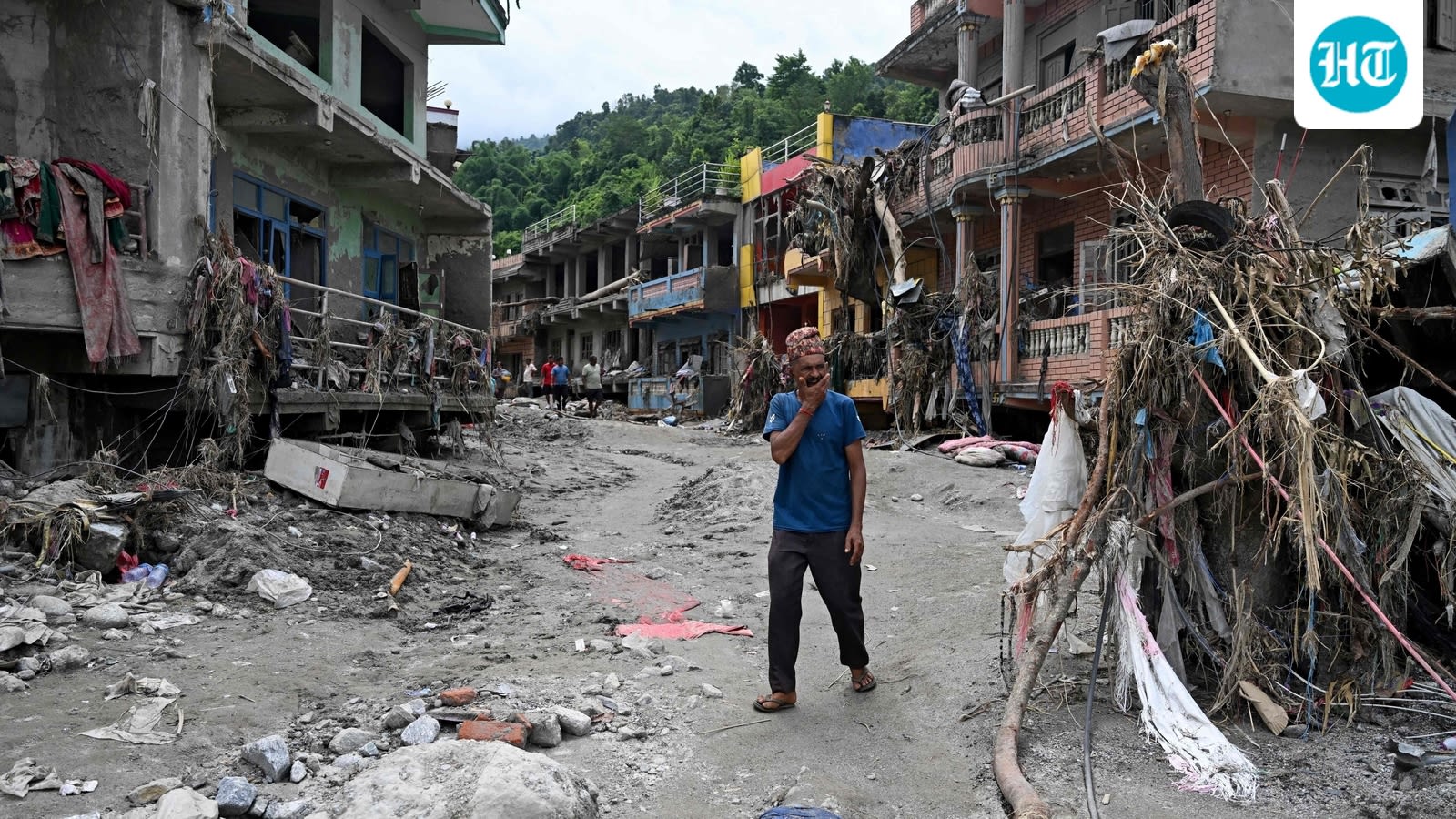
A 19-member Indian forensic team is assisting Nepal in identifying flood victims using advanced DNA technology. Concurrently, Nepalese authorities are managing the recovery of over 20 bank vaults washed away by severe flooding.
Forensic Cooperation and Humanitarian Response in Nepal
In the wake of devastating flash floods, a specialized 19-member Indian forensic team has arrived in Nepal to address the overwhelming challenge of identifying victims. Led by Bhargav Patel of the National Forensic Sciences University (NFSU), the delegation—comprising experts from NFSU and the Central Forensic Sciences Laboratory (CFSL)—is working in tandem with the Nepal Police’s Central Forensic Science Laboratory and the Tribhuvan University Teaching Hospital. The task is critical, as many of the recovered bodies are mutilated, necessitating the use of advanced DNA technology to cross-reference biological samples from victims with those provided by grieving families.
The Complexity of Disaster Victim Identification (DVI)
The deployment of this team underscores the technical requirements of Disaster Victim Identification (DVI) in mass casualty events. By dividing into six specialized units, the experts are tasked with the rigorous collection, preservation, and analysis of biological evidence. This collaboration between Indian and Nepalese institutions reflects a growing regional reliance on scientific cooperation to navigate the aftermath of climate-induced disasters, which often overwhelm local forensic infrastructure.
Security Challenges Amidst Natural Disaster
Beyond the humanitarian crisis, the floods have triggered an unprecedented security challenge for the Nepal Police. Reports indicate that at least 20 bank vaults have been swept away by the deluge in districts such as Rasuwa, Dhading, and Chitwan. These vaults, which contain substantial amounts of cash and other valuables, pose a significant risk if they remain unsecured or fall into the wrong hands. DIG Abi Narayan Kafle has highlighted the difficulty of balancing the search for missing persons with the necessity of maintaining law and order in flood-ravaged regions.
Broader Implications for Disaster Management
The loss of banking infrastructure in flood-prone areas raises broader questions about the resilience of financial systems in the face of climate change. As Nepal struggles to secure these missing assets, the incident serves as a stark reminder of the secondary impacts of extreme weather events, which extend far beyond the immediate loss of life and property. The dual crisis of managing human remains and securing critical financial infrastructure highlights the multi-dimensional nature of disaster response.
Future Trends and Regional Cooperation
As Nepal continues to bury unclaimed bodies due to the immense scale of the tragedy, the role of international technical assistance becomes increasingly vital. The ongoing work of the Indian forensic team is a testament to the importance of cross-border scientific diplomacy. Moving forward, such collaborative models are likely to become standard practice in South Asia, where geographical proximity and shared environmental vulnerabilities necessitate a unified approach to disaster mitigation and post-event recovery. The successful identification of victims and the recovery of financial assets will remain the primary benchmarks for assessing the efficacy of these relief efforts in the coming weeks.
Multiple Citing Sources
Verification Required?