Government data point to uneven implementation of NRTS, with several large States lagging behind
Source Entity
India Latest News: Top National Headlines Today & Breaking News | The Hindu
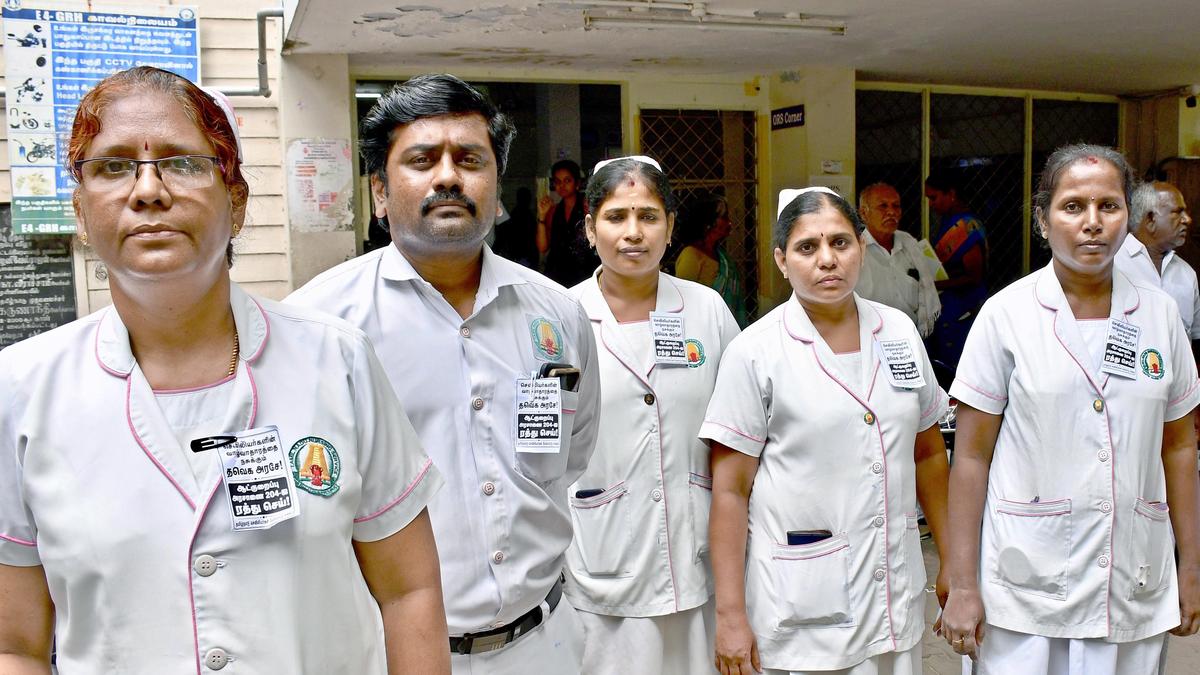
Government data reveals a significant shortfall in the Nurses Registration and Tracking System (NRTS), with over two-thirds of India's nursing workforce remaining unregistered. This digital gap continues to cause administrative delays for professionals seeking employment transfers.
The Digital Divide in India's Nursing Infrastructure
Recent data presented in the Lok Sabha has brought to light a significant implementation gap in India's healthcare administration, specifically regarding the Nurses Registration and Tracking System (NRTS). Despite the platform's introduction over seven years ago, aimed at centralizing the credentials of the nation's healthcare providers, the system currently captures only 14.24 lakh of the 46.02 lakh registered nursing personnel. This leaves approximately 31.78 lakh professionals—including Auxiliary Nurse Midwives (ANMs), Registered Nurses and Registered Midwives (RN & RM), and Lady Health Visitors (LHVs)—outside the digital ambit.
The Scope of the Implementation Lag
The scale of this oversight is substantial, as more than two-thirds of the registered nursing workforce remains unintegrated into the national registry. The NRTS was designed as a pivotal digital initiative to streamline registration services and create a unified, transparent database of human resources in the health sector. The failure to achieve widespread enrollment suggests significant logistical bottlenecks and uneven cooperation from various states, which are responsible for the on-ground execution of the platform's adoption.
Administrative Consequences for Healthcare Workers
Beyond the statistical failure, the incomplete rollout of the NRTS has direct, tangible consequences for the nursing workforce. One of the most critical functions of the system is to facilitate the issuance of No Objection Certificates (NOCs), which are mandatory for nurses seeking to change their place of employment. Because the system is not fully populated, many nurses are forced to wait for months to secure these certificates. This bureaucratic inertia creates unnecessary friction for healthcare professionals, potentially impacting their mobility and career progression within the public and private health sectors.
Historical Context and Digital Governance
The NRTS was envisioned as a cornerstone of India’s digital health architecture, intended to provide real-time data to policymakers for better resource allocation and workforce planning. In a country where healthcare staffing is often distributed unevenly between urban and rural centers, having an accurate, digitized registry is essential for evidence-based policy. The fact that the system remains largely underutilized seven years after its inception highlights the complexities involved in digitizing legacy administrative systems across diverse federal states.
Broader Implications for Health Policy
The lack of a comprehensive national registry hampers the government's ability to monitor the distribution of essential frontline workers. Without a complete database of ANMs and LHVs, the state's capacity to deploy resources during health crises or to address regional shortages is severely curtailed. Moving forward, the government will likely face pressure to incentivize state-level compliance and perhaps integrate the NRTS more tightly with other national health databases to ensure universal adoption.
Future Trends and Necessary Reforms
To bridge this gap, policy experts suggest that the government must move beyond voluntary or slow-tracked enrollment processes. Future trends indicate a need for a shift toward mandatory digital integration, where renewal of licenses and career advancements are strictly tied to the NRTS portal. By automating the NOC process and reducing the manual interface that currently plagues the system, the administration can restore trust in the digital infrastructure and ensure that the healthcare workforce is properly tracked and supported.
Verification Required?