We are chasing Ebola virus - it is ahead of us, WHO warns
Source Entity
BBC News
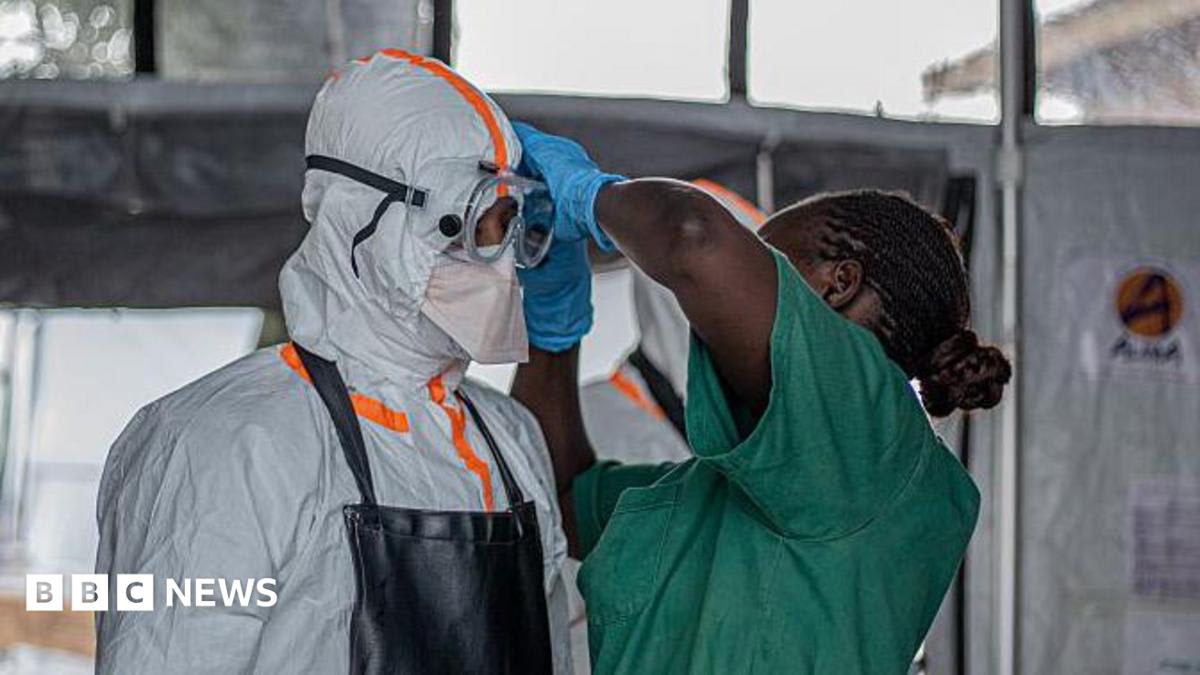
The WHO reports that the Ebola outbreak in the Democratic Republic of Congo remains ahead of containment efforts. With over 1,900 deaths and no approved vaccine for this specific strain, health authorities face significant challenges in controlling the spread.
The Ebola Crisis: A Race Against Time in the DR Congo
The Challenge of Delayed Detection
The recent warning from the World Health Organization (WHO) regarding the Ebola outbreak in the Democratic Republic of Congo (DRC) highlights a critical failure in early detection. Reports indicate that the virus was circulating for at least three months before official declarations were made. This delay has placed health authorities in a reactive position, struggling to gain ground against a pathogen that had already established a foothold in the population. In epidemiology, the period between the initial spillover and the formal declaration of an outbreak is often the most vital window for containment; the missed opportunity in this instance has had lethal consequences.
The Human Toll and Scale of the Outbreak
With the death toll surpassing 1,900 since the May 15 declaration, this event now ranks as the second-worst Ebola outbreak in recorded history. The sheer volume of infections suggests that current containment strategies, while robust in effort, are being outpaced by the transmission dynamics of the virus. This scale of loss underscores the systemic fragility of public health infrastructure in regions affected by conflict, where tracking contacts and providing isolation care become logistical nightmares.
The Unique Threat of the Bundibugyo Species
A complicating factor in this specific outbreak is the strain involved: the Bundibugyo species of Ebola. Unlike other variants for which medical countermeasures have been developed, the Bundibugyo strain currently lacks approved vaccines or recognized therapeutic drugs. This absence of pharmacological intervention forces health workers to rely entirely on supportive care and stringent infection control protocols, which are significantly less effective at curbing mortality rates in resource-limited settings.
Insecurity as a Barrier to Control
The geography of the outbreak, centered in the eastern region of the DRC, presents immense challenges due to ongoing regional insecurity. Conflict zones inherently disrupt the movement of medical supplies, the deployment of specialized personnel, and the trust necessary for public health interventions. When health workers are unable to access communities safely, or when populations are forced to move due to violence, the virus inevitably finds new pathways to spread, effectively staying "ahead" of the authorities tasked with containing it.
Strategic Implications and Future Outlook
The WHO’s admission that they are "chasing the virus" is a candid acknowledgment of the difficulty in managing outbreaks in unstable environments. Moving forward, the international community must address the intersection of political instability and disease surveillance. Without advancements in vaccines tailored for the Bundibugyo species and a more secure environment for healthcare delivery, the risk of similar outbreaks spiraling out of control remains high. The current situation serves as a stark reminder that biological threats do not wait for political stability to resolve before they proliferate.
Conclusion
The situation in the DRC remains a volatile public health emergency. As authorities continue to combat the high infection rates, the focus must remain on overcoming the barriers of regional insecurity and accelerating research into specific therapeutics for the Bundibugyo strain. Success will depend on the ability to transition from a reactive, catch-up strategy to a proactive, preemptive model of global health security.