Nutrien misses profit estimates as lower volumes blunt higher fertilizer prices
Source Entity
Yahoo Finance
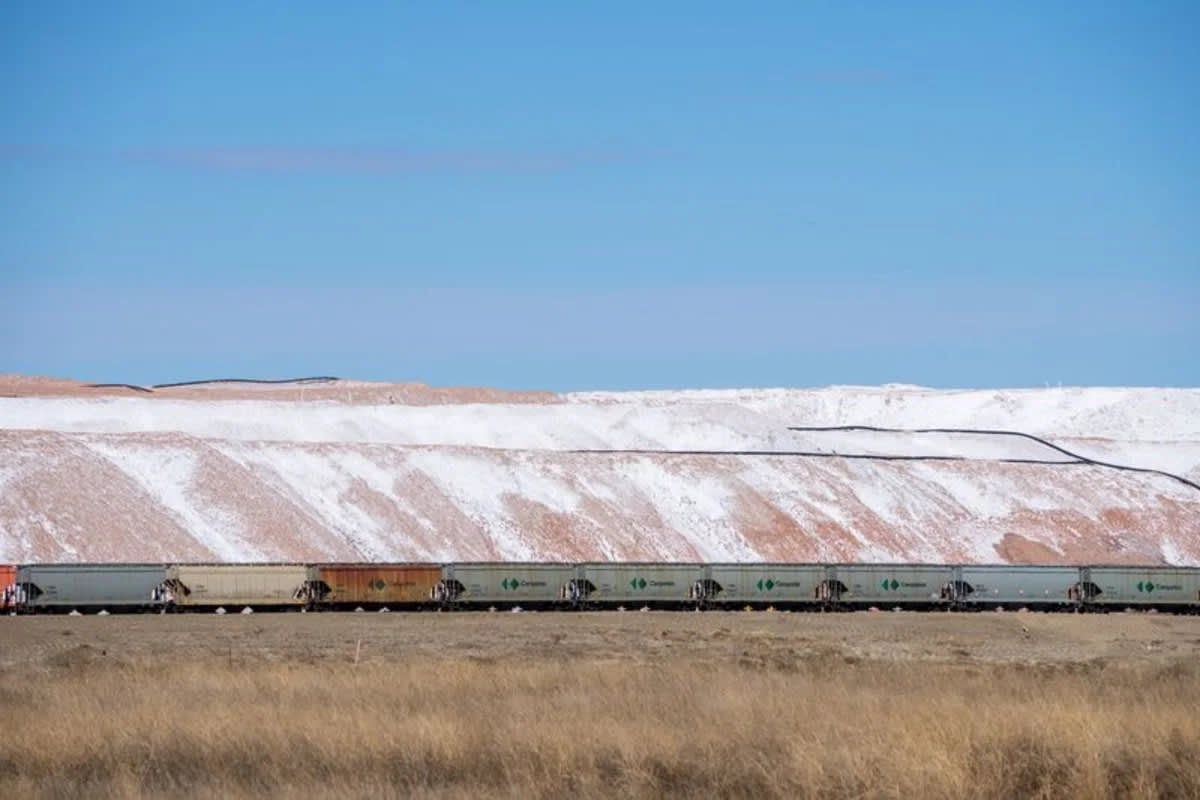
Nutrien missed second-quarter profit estimates as lower sales volumes for potash and nitrogen counteracted higher fertilizer prices. The company anticipates ongoing market tightness through late 2026 due to global supply chain disruptions and strong demand.
Nutrien's Q2 Earnings Miss: A Market Analysis
Nutrien, the world’s largest potash producer, recently reported second-quarter financial results that fell short of analyst expectations. Despite the tailwinds provided by higher fertilizer prices, the company faced a significant challenge: lower sales volumes for both potash and nitrogen. This performance gap underscores the complex interplay between pricing power and volume demand in the global agricultural input sector.
The Volume vs. Price Paradox
While fertilizer producers have generally enjoyed a period of firmer pricing throughout the year, Nutrien’s results demonstrate that price increases alone cannot guarantee profitability when shipment volumes decline. These volumes are a critical barometer for the industry, reflecting not just supply capacity, but actual farmer demand and field-level application activity. When farmers delay purchases or reduce application rates due to price sensitivity or economic uncertainty, even high-margin products struggle to sustain overall earnings.
Geopolitical and Supply Chain Pressures
The global fertilizer landscape remains fraught with systemic issues. Nutrien has highlighted that nitrogen markets are expected to remain tight through the latter half of 2026. This outlook is driven by a convergence of negative factors, including persistent trade disruptions, unexpected production outages, and elevated energy prices. Because energy is a primary input cost for nitrogen production, volatility in natural gas markets continues to exert significant pressure on operating margins across the industry.
Global Demand Drivers
Despite the supply-side constraints, demand remains robust in key agricultural hubs. Nutrien specifically identified India and Brazil as major drivers of import demand. These nations are critical to global food security and rely heavily on stable fertilizer imports to maintain crop yields. The intensity of this demand, contrasted with the supply constraints, creates a volatile pricing environment that makes volume forecasting particularly difficult for major producers.
Phosphate Market Constraints
The challenges are not limited to potash and nitrogen. The global phosphate market is currently suffering from a unique set of hurdles, including constrained availability of sulfur feedstock and elevated production costs. These factors are squeezing producer margins, making it difficult for companies to capitalize on market demand. The combination of feedstock scarcity and high operational costs suggests that phosphate supply chains will remain fragile for the foreseeable future.
Strategic Outlook and Future Trends
Looking ahead, Nutrien and its peers must navigate a landscape where external shocks—ranging from trade policies to energy market fluctuations—are becoming the norm rather than the exception. Investors should monitor how Nutrien adjusts its logistics and production strategies to compensate for volume volatility. As the industry moves toward the second half of 2026, the ability to secure supply chains and manage input cost inflation will likely be the primary differentiator between market leaders and those struggling to meet profit targets.