India's Polysilicon Push: Inside Centre's Plans To Cut China Solar Dependence
Source Entity
NDTV News Search Records Found 1000
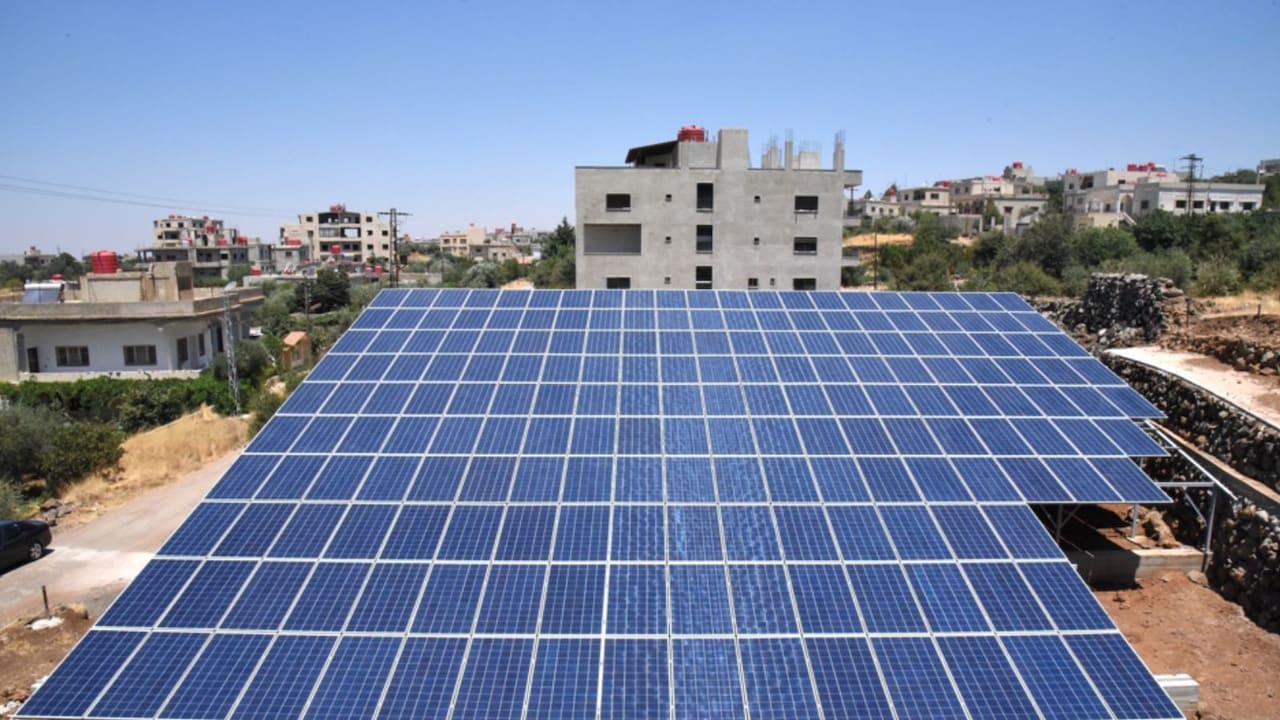
India is actively strategizing to reduce its heavy reliance on Chinese imports for critical solar energy components like polysilicon and wafers. This shift aims to fortify domestic supply chains and achieve energy independence in the renewable sector.
India's Strategic Shift in Solar Manufacturing
India is currently navigating a critical transition in its renewable energy roadmap, focusing heavily on domesticating the production of polysilicon and wafers. These components serve as the fundamental building blocks for solar photovoltaic (PV) cells, yet the nation remains significantly dependent on imports, particularly from China. This reliance creates a vulnerability in India's energy security, as the global solar market is heavily concentrated in Chinese manufacturing hubs, leaving Indian solar developers susceptible to supply chain shocks and price volatility.
The Challenge of Upstream Dependence
The solar value chain is complex, starting from polysilicon refinement, moving to ingot casting and wafer slicing, and finally cell and module assembly. While India has made significant strides in the downstream assembly of solar modules, the upstream segments—polysilicon and wafers—have proven far more difficult to localize. The high capital expenditure and specialized technical expertise required for high-purity polysilicon production have historically favored established Chinese giants, creating a barrier to entry that the Indian government is now seeking to dismantle through policy interventions.
Economic and Geopolitical Implications
Reducing dependence on China is not merely an economic goal; it is a vital component of India's broader geopolitical strategy. By incentivizing domestic manufacturing, India aims to mitigate the risks associated with trade imbalances and potential supply chain disruptions that could jeopardize its ambitious solar installation targets. The push for self-reliance, often framed within the 'Atmanirbhar Bharat' initiative, seeks to transform India from a net importer into a self-sustaining hub for green energy technology.
Policy Levers for Domestic Growth
To bridge this gap, the Centre is likely to employ a mix of fiscal incentives, such as Production Linked Incentive (PLI) schemes, and trade measures designed to make domestic production more competitive. By lowering the cost of production and providing a stable regulatory environment, the government hopes to attract private investment into the capital-intensive polysilicon sector. This is essential for creating a vertically integrated manufacturing ecosystem that can compete with global leaders.
Future Trends and Outlook
The path toward self-sufficiency in solar manufacturing will likely be a multi-year endeavor. As India scales its domestic capacity, the focus will shift toward technological innovation and achieving economies of scale. Future trends suggest that if India successfully incentivizes the upstream segments, it will not only lower the long-term cost of solar power projects but also position itself as a key exporter in the global transition toward renewable energy. Success in this sector will ultimately define the durability of India’s climate commitments and its industrial competitiveness in the coming decades.
Verification Required?