UNFPA puts India's population at 1.47 bn, calls for investment in 'youth dividend'
Source Entity
AMBIKA PANDIT
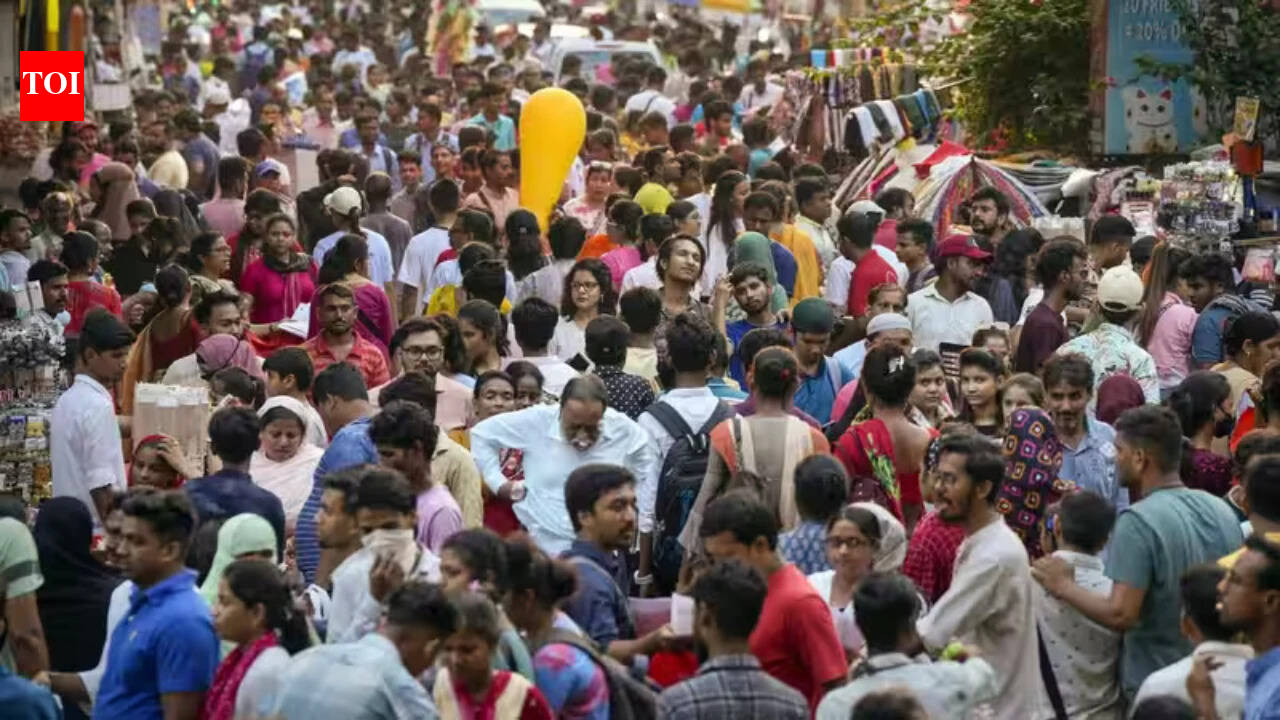
The UNFPA reports India's population has reached 1.47 billion, projecting a peak of 1.7 billion by 2066. This demographic shift, coupled with falling fertility rates, has prompted a move away from restrictive two-child policies toward a focus on youth investment.
India's Demographic Evolution: From Control to Empowerment
Recent data from the UNFPA’s State of The World Population Report 2026 confirms that India remains the world's most populous nation, with an estimated population of 1.47 billion. This follows a steady growth trajectory from 1.44 billion in 2024 to 1.46 billion in 2025. While these figures highlight the sheer scale of India’s human capital, the report provides a vital roadmap for the next four decades, projecting a peak of 1.7 billion around 2066 before a long-term decline begins.
The Youth Dividend: An Economic Imperative
A defining characteristic of India’s current demographic landscape is its youthful composition, with over 25% of the population falling between the ages of 10 and 24. This 'youth dividend' represents a significant engine for future economic growth, provided the nation prioritizes strategic investments. The UNFPA emphasizes that fulfilling the aspirations of this generation requires robust, accessible youth services and comprehensive reproductive health education. The optimism observed among these young individuals suggests a shift in societal values, where personal choice and quality of life are beginning to take precedence over traditional family structures.
The Shift in Policy: Moving Beyond Population Control
Historically, the late 20th century was dominated by state-led population control measures, including the 'two-child norm' for government employment and local body polls. However, the current landscape is witnessing a dramatic pivot. Madhya Pradesh’s recent decision to scrap its two-child policy marks a symbolic end to an era of restrictive measures that have been in place for a quarter-century. This shift aligns with the realization that such policies have largely lost their relevance in a country where fertility rates have already dipped below replacement levels.
Legal and Societal Re-evaluation
The Supreme Court of India’s recent intervention—calling for a re-examination of laws disqualifying individuals with more than two children from contesting local elections—underscores a broader legal consensus. The judiciary now recognizes that the rationale for punitive population control is fading as the country faces the prospect of a demographic transition toward an older society. As the Overton window shifts, the national debate is moving away from 'population anxiety' and toward a more nuanced understanding of how to manage a stable, aging, and economically productive population.
Future Trends and Strategic Outlook
As India moves toward the 2066 peak, the primary challenge will be balancing the needs of a massive, vibrant youth population with the eventual necessity of supporting an aging demographic. The transition from a growth-obsessed model to one focused on human development—specifically in health and education—is essential. By fostering an environment where women’s choices regarding family size are respected and supported, India can ensure that its population size serves as a foundation for prosperity rather than a burden on the state.
Conclusion
India stands at a critical juncture in its demographic history. By moving away from outdated, restrictive policies and embracing the potential of its youth, the nation is better positioned to navigate the challenges of the coming century. The UNFPA report serves as both a statistical baseline and a call to action for policymakers to prioritize sustainable development, ensuring that the country’s demographic dividend is fully realized before the inevitable decline begins.